
Quick Specs
- Botanical name: Uncaria tomentosa
- Common name: Cat’s Claw Bark, Una de Gato
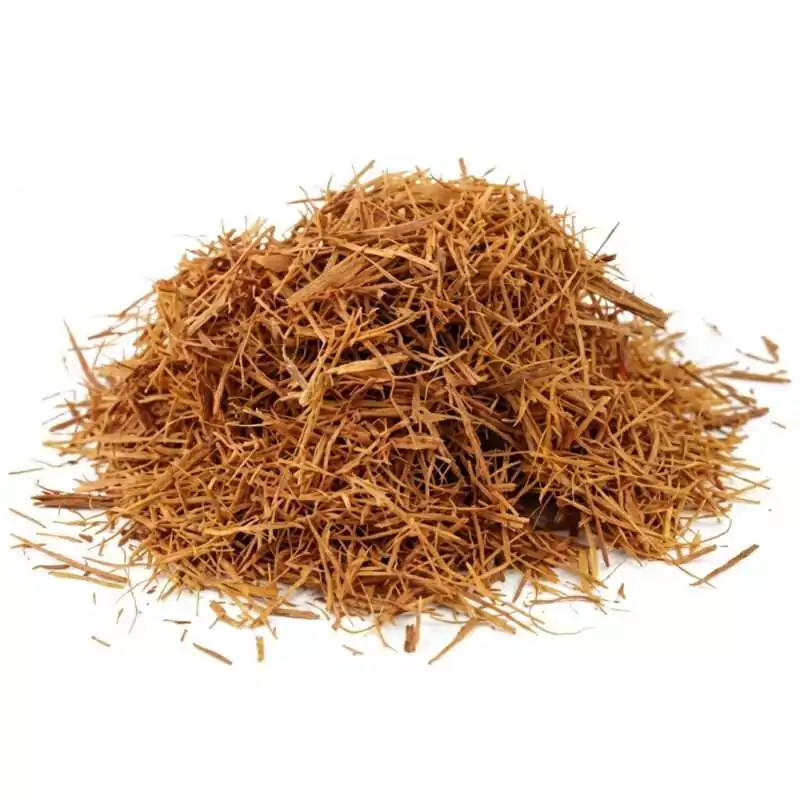
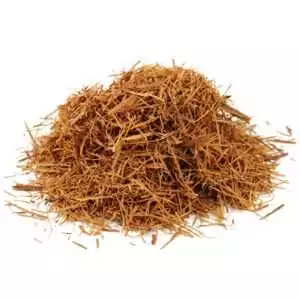
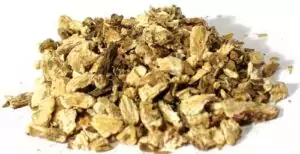
- Size/Quantity: 1 lb cut dried bark
- Best for: Obstacle removal, unblocking workings, protection sachets, ritual floor washes
- Sourcing: SQF & Kosher certified supplier
I source this herb from a supplier that’s both SQF, Safe Quality Food, certified and Kosher certified, meeting real, audited quality standards rather than just a label. What’s in this packet is suitable for your kitchen, a cup of tea, your altar, and your spell jar. If you’re pregnant, nursing, or taking medication, check with your doctor before using it internally.
Cat’s Claw Bark: Amazonian Vine with a Claw-Like Mission
Uncaria tomentosa is a large, woody vine native to the tropical rainforests of Peru, Colombia, Ecuador, and Brazil. Its common name comes from the small, recurved thorns along the stem that genuinely look like a cat’s claw, hooking into bark and branches as the vine climbs. Indigenous communities across the western Amazon, particularly the Ashaninka of the Peruvian jungle, have documented use of the bark for at least 2,000 years, working it into teas and preparations for both physical and ceremonial purposes. The bark contains a complex profile of oxindole alkaloids that have drawn significant scientific interest since the 1970s.
In Andean and Peruvian folk tradition, una de gato is regarded as one of the great protective and purifying plants of the rainforest. Shamans of the Ashaninka reportedly reserved certain preparations of cat’s claw for use in spiritual contexts, particularly to bridge communication between the living and the ancestral world. The plant’s claw-shaped thorns carry strong symbolic weight in South American plant medicine: the claw grabs hold, holds fast, and tears away what should not remain attached to the person or the household. In ritual work today, the herb is used primarily as an obstacle-removal and path-opening material.
Una de Gato in Botanica and Folk Magic Practice
In botanica and folk magic practice, cat’s claw bark is used in unblocking and uncrossing workings, floor washes, charm bags, and petition work. The core idea is consistent across practices: the claw cuts through, grabs obstacles, and removes them from the practitioner’s path. It is often combined with road-opener herbs like abre camino, or with High John the Conqueror root for added force in situations where something persistently stubborn refuses to shift. Practitioners also add the bark to protective sachets placed at home thresholds, drawing on the vine’s sharp thorns as a symbolic barrier against unwanted intrusions.
The 1 lb bulk quantity makes this a practical supply for practitioners who use the bark regularly, whether in weekly floor washes, ongoing charm bag refreshes, or as a component in larger ritual blends. Stored in a sealed container away from light and moisture, dried cat’s claw bark holds its character well for a year or more. Browse my full herb collection for complementary roots and botanicals.
How to Use Cat’s Claw Bark
Three practical ways to use bulk cat’s claw bark in botanica and folk magic practice.
- Prepare a Ritual Floor Wash
Measure a generous tablespoon of dried cat’s claw bark into a fine mesh strainer or muslin bag. For a ritual floor wash, steep in a quart of hot water for 20 minutes, then strain and let cool before use.
- Wash Thresholds and Entryways
Add the cooled infusion to your mop water and wash thresholds, doorsteps, and entryways while focusing on removing whatever has been blocking your path. Work from back of the home toward the front door.
- Make an Obstacle-Clearing Charm Bag
Place a small handful of dried bark in a red or black flannel charm bag alongside a lodestone or piece of obsidian. Carry the bag on your person or hang it near your front door as an obstacle-clearing charm.
The Tarot Fellow Standard
I stock cat’s claw bark because it fills a genuine gap: a bulk South American protective herb with real historical depth that most shops either overlook or mislabel. The Ashaninka connection and the claw symbolism are not marketing copy, they are documented tradition, and I think customers who are building a serious practice deserve to know the difference between a meaningful material and a novelty. I source this as dried, cut inner bark from Uncaria tomentosa, not the root, not the leaf, not a mixed blend. For more protective plant allies, take a look at my protection herbs.
Frequently Asked Questions
Cat’s claw bark (Uncaria tomentosa) comes from a thorny Amazonian vine. In folk magic it is worked for obstacle removal, unblocking stalled situations, and protection. The ‘claw’ symbolism is central to its barrier-clearing reputation.
This listing sells the dried, cut inner bark of Uncaria tomentosa in a 1 lb bulk quantity. It is not a capsule, tincture, or tea blend. The bark is suitable for ritual floor washes, sachets, charm bags, and loose incense blends on charcoal.
Amazonian communities, particularly the Ashaninka of Peru, have used cat’s claw bark for at least 2,000 years as a healing and spiritual plant. The vine’s hooked thorns gave it the name una de gato, ‘claw of the cat,’ in Andean tradition.
Cat’s claw bark pairs well with road-opener herbs such as abre camino and with protective roots like High John. Practitioners often combine it with bay leaf, five-finger grass, or black salt in uncrossing and unblocking work.
Reviews
There are no reviews yet