

Quick Specs
- Type: Man-made opalescent glass (opalite)
- Quantity: 1 lb bulk tumbled pieces
- Color: Milky white with blue-orange fire shift depending on light angle
- Best for: Transition work, communication, third eye, psychic development, altar supply
What Opalite Is and Is Not
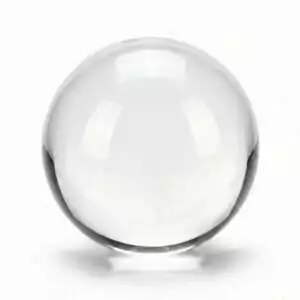
Opalite is not a natural gemstone. It is a man-made opalescent glass, also sold under names like sea opal, moon opal, or opal glass, and it is often marketed in ways that imply a natural origin it does not have. Natural precious opal is a hydrated amorphous silica, genuinely rare, formed over millions of years, and considerably more expensive than this product. Opalite is glass with a milky body and a striking optical quality: it shifts between a blue-white glow and a warm orange-golden tone depending on the light source and angle. That visual character is real and distinctive, and it has made opalite a genuinely popular working stone despite its synthetic origin.
In the crystal and metaphysical community, opalite has accumulated its own body of working associations independent of natural opal. These associations developed because practitioners found it useful, not because of any claimed geological property. Its primary working domains are transitions and change, communication, and psychic or intuitive development. It is consistently grouped with third eye and throat chakra stones.
Opalite for Communication, Transition, and Psychic Work
The transitions association is the most consistent in practitioner reports. Opalite is used during periods of significant life change, career shifts, relationship endings and beginnings, spiritual reorientation, to keep the emotional field from closing down under pressure. It is described as smoothing the edges of change rather than preventing it, and as keeping communication clear when circumstances make honest dialogue difficult.
For psychic development and scrying work, opalite’s visual quality becomes functional. The translucent, light-refracting body supports the soft, unfocused gaze that many practitioners use as an entry point for visionary states. It is placed at the third eye during meditation, kept near scrying mirrors or bowls, and paired with moonstone or labradorite when the intention is deepening receptivity. Browse my bulk tumbled stone collection to find pairing stones for opalite in the same format.
How to Use Opalite Tumbled Stones
Three practical ways to work with opalite tumbled stones for transitions, communication, and psychic development.
- Throat and Third Eye Meditation
Hold a piece of opalite to a light source and observe the milky blue-white fire that shifts with angle. During meditation, hold it at the throat or third eye and breathe slowly, focusing on what needs to shift or release in the coming cycle ahead.
- Carry Through Transitions
For transition or change work, carry opalite during a period of life upheaval. It is used to smooth the emotional edges of change, to keep communication clear during difficult conversations, and to support the nervous system in periods of flux.
- Psychic Development and Scrying Prep
Place opalite on the third eye during psychic development or scrying preparation work. Its translucent quality supports the soft unfocused gaze that practitioners use as an entry point for visionary states and deeper intuitive perception work.
The Tarot Fellow Standard
I stock opalite with a clear label: this is glass, not natural opal. That honesty does not diminish it, it protects the buyer and respects the practice. Opalite has earned its working reputation on its own terms, and a pound of tumbled pieces gives practitioners excellent supply for transition work, communication rituals, and psychic development without misrepresentation. If you are building a psychic development or intuitive practice, explore my full crystal and gemstone collection for natural counterparts and pairing stones.
Frequently Asked Questions
No. Opalite is a man-made opalescent glass, not a natural gemstone. It is sold as sea opal or opal glass, causing confusion. Natural precious opal is far rarer and more expensive. Opalite is glass with a milky, color-shifting optical quality.
Opalite is primarily used for transition, communication, and psychic vision. It is associated with the third eye and throat chakras. Practitioners use it during periods of change, in communication-focused rituals, and for intuitive development work.
Despite being man-made, opalite is widely used in crystal healing for its visual properties and the energy practitioners report from it. Its associations with transitions and psychic openness make it a useful working stone regardless of its origins.
Opalite is associated with the throat and third eye chakras. The throat chakra connection supports communication and emotional honesty. The third eye connection supports intuition, psychic sensitivity, and a receptive inner quiet for visionary work.



Reviews
There are no reviews yet