

Quick Specs
- Type: Beaded stretch bracelet
- Size: 10 mm
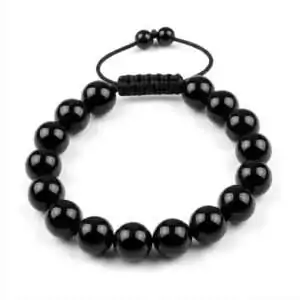
- Size/Quantity: 10mm round tiger eye beads, one bracelet
- Best for: Solar plexus activation, confidence, mental clarity, decisive action
Tiger Eye: Mineral Origins and the Chatoyancy That Defines It
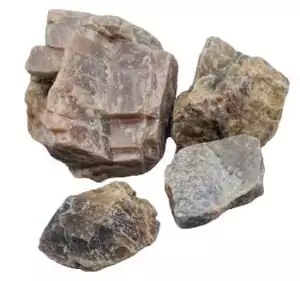
Tiger eye is a pseudomorphic mineral in which golden to honey-brown crocidolite asbestos fibers have been replaced by silica, leaving the fibrous internal structure intact beneath a quartz surface. That structure produces chatoyancy, the silky band of reflected light that shifts as the stone moves, mimicking the iridescent gleam in a cat’s or tiger’s eye. Yellow tiger eye specifically refers to the fully oxidized, golden-amber variety; blue and red variants exist, but yellow is the classic form traded since antiquity across Arabia, India, and sub-Saharan Africa.
South Africa’s Northern Cape province is the primary source for commercial tiger eye, though deposits also occur in Western Australia, India, Brazil, and Burma. The stone ranks 7 on the Mohs hardness scale, making it durable enough for daily bracelet wear without significant risk of surface scratching under normal conditions. The 10mm bead size makes a visible statement on the wrist, giving this bracelet stronger presence than the more subtle 6mm or 8mm options.
Solar Plexus Correspondences and Ritual Use
Tiger eye is associated in crystal practice with the sun, the element of fire, and the planet Mars. In contemporary crystal healing it maps consistently to the solar plexus chakra, the energy center associated with willpower, self-identity, and decisive action. Practitioners working on issues of confidence, procrastination, or fear of commitment often reach for tiger eye because its correspondences address the root of those patterns directly.
The correspondences are consistent enough in crystal practice that most practitioners find it a reliable entry point into solar plexus work.
How to Use the Yellow Tiger Eye Bracelet
Three focused practices for working with yellow tiger eye as a daily confidence and clarity stone.
- Set an intention for confidence or clarity
Before wearing for the first time, hold the bracelet in your dominant hand and name the quality you want to reinforce. Naming a specific outcome is more useful than a vague wish, because it gives the mind a direction to hold.
- Wear on the left wrist for receiving, right for projecting
Traditional crystal wear places stones on the left wrist to draw in qualities and on the right to project them outward. For confidence before a challenging event, right wrist suits. For sustained self-trust, left is the standard.
- Pair with solar plexus breathwork to anchor the stone
Sit comfortably, rest your right hand over the solar plexus, and feel the bracelet against your wrist. Inhale for four counts, hold for four, exhale for four. Three rounds of this breath while holding your intention deepens the work.
The Tarot Fellow Standard
I carry tiger eye in multiple bead sizes because different practitioners want different visual weight. The 10mm beads here make the stone the statement on the wrist, which suits practitioners who find that physical presence helpful for keeping the intention front of mind during the day. Browse my 10mm and 12mm beaded bracelet selection for other substantial crystal bracelet options, and explore self-confidence crystals for complementary stones to pair with tiger eye in a daily practice.
Frequently Asked Questions
Yellow tiger eye is used in crystal practice for solar plexus work: confidence, willpower, decisiveness, and clarity.
Yellow tiger eye is the oxidized golden form. Red tiger eye, called dragon eye, has been heat-treated toward rust and amber. Blue tiger eye, called hawk eye, retains the original blue-gray crocidolite tone before full oxidation occurred.
Yes. Tiger eye rates 7 on the Mohs hardness scale and holds up well to daily bracelet wear. Avoid prolonged water exposure to protect the elastic cord, and store away from harder stones to prevent surface scratching over time.
Genuine tiger eye shows chatoyancy, a moving band of light that shifts with the angle of view. Glass imitations show a fixed glint rather than a flowing band. Real tiger eye also feels cool initially and warms more slowly than glass.




Reviews
There are no reviews yet