


Quick Specs
- Common Name: Angelica Root
- Botanical Name: Angelica archangelica
- Size/Quantity: 1 oz dried cut root
- Best for: Protective mojo bags, floor washes, protection and peace at home, circle warding
- Sourcing: SQF & Kosher certified supplier
I source this herb from a supplier that’s both SQF, Safe Quality Food, certified and Kosher certified, meeting real, audited quality standards rather than just a label. What’s in this packet is suitable for your kitchen, a cup of tea, your altar, and your spell jar.
Angelica Root: The Archangel Herb of European Protection Magic
Angelica root (Angelica archangelica) carries one of the most evocative origin stories in European folk herbalism. Medieval legend holds that during a devastating plague outbreak, an angel appeared in a dream or vision and revealed the root’s protective properties to a monk or healer. Several versions identify the angel as St. Michael, and in some regional traditions the plant was said to bloom around the feast of St. Michael the Archangel in late September, lending the name archangelica a liturgical resonance that persisted through centuries of folk Catholic and folk Protestant practice. The root’s Latin name preserves that angelic association directly.
In European witchcraft and folk magic, angelica root is placed at doorways and the four corners of ritual space to create protective barriers against malevolent spirits and unwanted influences. Powdered root was historically sprinkled around homes to repel curses, and the whole root was carried as a personal ward against harm. In some Icelandic and Germanic traditions, angelica was used in early spring rituals as a protective and purifying herb at a time when the boundary between ordinary and spirit realms was considered thin. Its strong, anise-like aroma, distinctive and immediately recognizable, was itself seen as a signal to hostile forces that the space was claimed and warded.
Angelica Root in Hoodoo: Holy Ghost Root for Protection and Peace at Home
In American hoodoo tradition, angelica root is known as Holy Ghost root and is used for protection and for peace in the home. Practitioners carry a piece in a white or red flannel mojo bag for personal protection. It also appears in floor washes applied to doorways and thresholds to keep harm from entering the home. Browse my protection and evil-eye herbs to find plants that pair well with angelica in strong warding work.
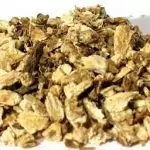
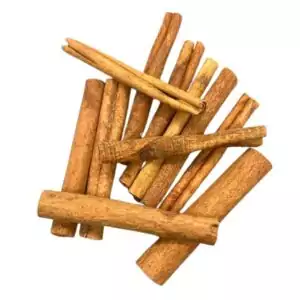
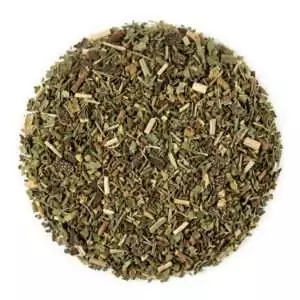
This is dried cut root, not powder: pieces of root rather than fine-ground material. Cut root holds aroma longer, works well in mojo bags where you want substance and presence, and can be steeped for floor washes and baths. The anise-like scent is pronounced and long-lasting, which is part of what makes this root so effective as a threshold and space herb.
How to Use Angelica Root
Three practical methods for using angelica root in mojo bags, floor washes, and protective ritual space.
- Add to a protective mojo bag
Place a piece of cut angelica root in a white or red flannel bag with a pinch of salt and a bay leaf. In hoodoo, a bag like this is carried for personal protection.
- Use as a floor wash or door warding
Steep cut angelica root in hot water, cool and strain, then add to a bucket of floor wash. Wash doorways and thresholds from outside inward to draw protection. Dispose of used wash water away from the property.
- Place in a protective circle or altar space
In European folk practice, angelica root is laid at the four corners of a ritual space or along a doorway to create a warding boundary. Its anise-like aroma shifts the atmosphere of a room toward the protective and the sacred.
The Tarot Fellow Standard
Angelica root is a staple for anyone building a protective herb collection, because it shows up in both European folk magic and American hoodoo, where it is known as Holy Ghost root. I want practitioners to understand what they’re working with, not just what to call it. Hoodoo is a living tradition, and I offer this root as an entry point, not a substitute for learning from practitioners and community. If you want to build out your protective herb kit, browse my cleansing and purification herbs.
Frequently Asked Questions
In hoodoo, angelica root, also known as Holy Ghost root, is used for protection and peace at home. It’s carried in flannel mojo bags, added to floor washes and protective baths, or placed near the front door.
Legend holds that an angel, identified in some accounts as St. Michael, revealed angelica root’s protective properties to humans during a medieval plague outbreak. The plant flowers around the feast day of St. Michael in several regional traditions.
Angelica root has a distinctive anise-like, slightly earthy aroma with a warm, bittersweet quality. It’s more complex than star anise and less sweet than licorice root. The scent is unmistakable and fairly strong even in dried cut form.
This is dried cut root, meaning pieces of root rather than fine powder. Cut root is preferred for mojo bags, floor washes, and altar placement. If you need powdered root for sachet powders or candle work, look for a powder form instead.


Reviews
There are no reviews yet