


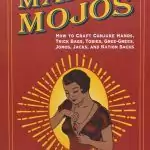
Quick Specs
- Brand: Lucky Mojo Curio Co.
- Type: Paperback reference on hoodoo mojo bag construction
- Size/Quantity: Single volume
- Best for: Mojo bag crafting, hoodoo study, conjure practitioners, intermediate to advanced workers
A Mojo Bag Reference in American Hoodoo
Catherine Yronwode spent decades as both a practitioner and researcher of African American hoodoo, and this book distills that knowledge into a detailed treatment of mojo bag construction. The mojo hand, also called conjure bag, gris-gris, or toby in different regional traditions, is the signature portable talisman of hoodoo. Yronwode traces the tradition from its West African antecedents through its development in the American South.
The book covers every functional category of mojo bag: money-drawing bags, love bags, protection hands, court case bags, and luck-drawing mojos. For each type, Yronwode lists the traditional herbs, roots, minerals, and personal concerns that workers have used historically, with explanations of why each ingredient was selected. Browse my hoodoo and Santeria books for related titles.
How Yronwode Approaches the Craft
When Yronwode describes an ingredient pairing, she explains its folk magic logic. When she covers feeding a mojo bag with whiskey or condition oil, she explains the traditional reasoning. The book treats mojo bag work as a skilled craft, and that perspective comes through clearly in how the instructions are structured.
How to Use Art of Making Mojos
A practical guide to using Yronwode’s mojo bag text as a working reference.
- Study the ingredient logic first
Yronwode explains the magical correspondences of roots, herbs, and curios before the bag recipes. Reading those sections first lets you understand substitutions when a traditional ingredient is unavailable for your goal.
- Gather your bag materials
Most mojos need a small flannel bag in the right color, three to thirteen ingredients, and a dressing agent such as whiskey or condition oil. Red flannel for love, green for money, black for protection are standard choices.
- Build, name, and feed the bag
Assemble ingredients with intention, tie the bag shut with an odd number of knots, breathe into it to give it life, and name it for its purpose. Feed it with whiskey or condition oil weekly. Yronwode details this routine.
The Tarot Fellow Standard
I stock this book because it is useful at the workbench. Yronwode’s documentation of ingredient selection gives practitioners a basis for building mojos rather than guessing at combinations. Hoodoo is a living tradition, and I offer this book as an entry point, not a substitute for learning from practitioners and community. Pair it with herbs and roots from my herbs and accessories section to put the formulas into practice.
Frequently Asked Questions
A mojo bag is a small cloth pouch holding herbs, roots, minerals, and personal concerns assembled for a specific magical purpose. It is the central portable talisman of American hoodoo, carried on the body or placed nearby.
Traditional practice specifies an odd number of ingredients, typically three, five, seven, nine, or thirteen. Yronwode documents this convention across multiple regional traditions. The exact count depends on working purpose.
Feeding a mojo means regularly applying whiskey, condition oil, or Florida Water to keep it active. Yronwode explains the reasoning: the bag is treated as a living spirit that must be maintained. Weekly feeding is standard.
The book works best alongside a general introduction to hoodoo, as it assumes familiarity with ingredients and terminology. Practitioners with some foundation get the most from it. A beginner overview read first helps greatly.


Reviews
There are no reviews yet