

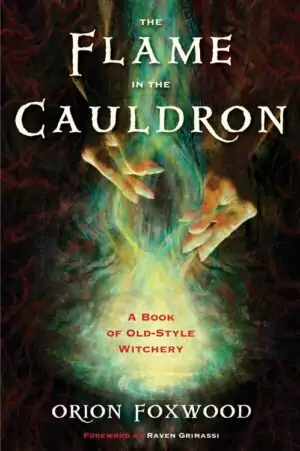

Quick Specs
- Author: Baba Ifa Karade
- Publisher: Red Wheel/Weiser (Weiser Classics edition)
- Type: Paperback book
- Pages: 160
- Best for: Students of Yoruba religion, Ifa, Orisha traditions, African diaspora spirituality
A Living Tradition from West Africa to the World
The Yoruba people of West Africa built one of the most sophisticated spiritual systems the world has seen, centered on the Orisha, a pantheon of divine forces who govern every aspect of human experience. When the transatlantic slave trade forcibly relocated millions of Yoruba people to Haiti, Cuba, Brazil, and the United States, they brought their religion with them, preserving it behind a veil of Catholic saints and encoded ritual. The result is a living family of traditions including Candomble, Santeria, and Trinidad Orisha that continue to grow worldwide.
Baba Ifa Karade, who holds a degree in Africana studies from Rutgers University and has lectured at Orisha conferences worldwide, wrote this handbook as an accessible entry point for those approaching the tradition from outside its initiated lineages. It describes the sixteen major Orisha, explains the Ifa divination system, and connects the Yoruba teachings to concepts of energy and consciousness that contemporary readers can engage with directly.
What the Book Covers
Readers will find a clear overview of Yoruba history, a chapter on Orunmila and the Ifa corpus, profiles of each Orisha with their domains and associated offerings, guidance on divination and sacrifice, and an appendix of religious phrases, a glossary, bibliography, and index. The writing is respectful and grounded.
How to Use The Handbook of Yoruba Religious Concepts
Get the most from this handbook with a structured reading approach.
- Read the Historical Overview First
Chapter One on Yoruba history provides essential context for everything else in the book. Understanding how the tradition survived the diaspora helps you approach the Orisha and Ifa teachings with the respect and grounding they deserve.
- Study the Orisha Chapter by Chapter
Work through the sixteen Orisha profiles one at a time rather than skimming. Each deity has specific domains, offerings, colors, and sacred numbers. Taking notes as you read helps you connect each Orisha to situations in daily life.
- Use the Glossary and Appendix as Ongoing References
The glossary of Yoruba terms and the appendix of religious phrases are tools you will return to long after your first read. Keep the book on your altar or study shelf as a reference rather than storing it away after reading.
The Tarot Fellow Standard
I carry this title because it’s one of the cleaner introductions to Yoruba spirituality available in print, written by an author with an Africana studies degree who has lectured at Orisha conferences. It’s part of the Weiser Classics line. If you’re exploring African diaspora traditions, it belongs in your library alongside my other spiritual practice books.
Frequently Asked Questions
No. The handbook is written for general readers and students approaching Yoruba traditions from the outside. It provides respectful context without requiring initiation, making it a solid starting point for anyone curious about the tradition.
The book describes sixteen Orisha in detail, matching the sixteen major odu of the Ifa divination corpus. Each profile covers the deity’s domain, sacred attributes, offerings, songs, and relationship to human spiritual development.
Karade focuses on the Yoruba source tradition rather than one specific diaspora branch. This makes the handbook relevant across Santeria, Candomble, Trinidad Orisha, and other Yoruba-derived practices without favoring any single lineage.
Ifa is the sacred divination and wisdom corpus associated with the deity Orunmila. The handbook has a dedicated chapter explaining the Ifa corpus, the role of the priest, and how divination functions within the broader Yoruba spiritual system.


1 review for Handbook of Yoruba Religious Concepts by Baba Ifa Karade — Orisha & Ifa Guide