
Quick Specs
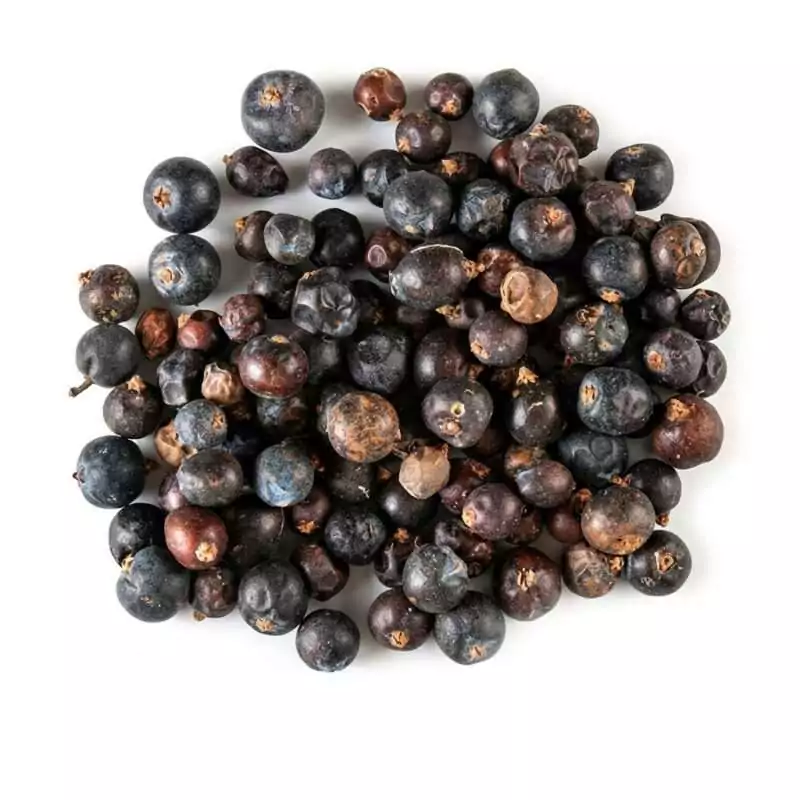
- Type: Dried whole berries
- Size/Quantity: 1 oz
- Best for: Protection sachets, banishing incense, Norse and Celtic folk magic, purification
Juniper Berries in Celtic and Norse Tradition
Juniper (Juniperus communis) is one of the oldest protective plants in European folk magic, revered from the British Isles through Scandinavia and deep into the Germanic heartlands. The ancient Celts understood juniper as a guardian plant, a gatekeeper against malevolent spirits and harmful energy. In Norse tradition, juniper carried luck-bringing and protective attributes simultaneously, and its wood was burned at midsummer celebrations to ward off illness and misfortune for the coming year. The berries, small dark blue-purple orbs that take two years to ripen on the bush, concentrate the plant’s resinous, piney aromatic compounds into a potent and long-lasting ritual ingredient.
During medieval European plague outbreaks, juniper was burned extensively as a fumigant, not merely for spiritual reasons but because its sharp resinous smoke was understood empirically to purify sickrooms. Physicians and monasteries burned juniper branches in hospitals and churches, a practice that makes both practical and symbolic sense: the same antimicrobial volatiles that may have had real antiseptic benefit also aligned perfectly with the spiritual work of driving out pestilence and hostile forces. This dual practical-spiritual function is characteristic of the most durable folk herbs.
Banishing, Purification, and the Gin Botanical Connection
In contemporary Wiccan and witchcraft practice, juniper berries are strongly associated with purification and banishing, often placed alongside black salt, mugwort, and protective resins in formulas designed to clear a space of hostile energy or unwanted presences. They are also considered one of the Druids’ classic visionary incense ingredients: classical sources describe a blend of juniper and thyme burned before divinatory work to sharpen psychic sight, a recipe that appears independently in multiple folk traditions. The berries can be burned whole on charcoal, lightly crushed for faster release of their volatile oils, or added intact to mojo bags and sachets where their resinous scent persists for months.
Practitioners familiar with gin will recognize the distinctive piney, citrusy scent of juniper berries immediately: they are the primary botanical that defines gin’s flavor profile. This kitchen-cabinet familiarity makes juniper an approachable starting point for practitioners new to working with whole botanicals. The whole berry form I carry here is the most versatile option, letting you crush or use intact depending on the application. Browse my herb and accessories collection for companion banishing and protective herbs that work well alongside juniper.
How to Use Juniper Berries
Three methods for incorporating whole juniper berries into protection, banishing, and purification work.
- Banishing and Purification Incense
Place two or three whole juniper berries on a lit charcoal disc in a fireproof burner. They release a sharp, resinous, piney smoke suited for banishing and space-clearing work. Crush lightly before use for faster and more intense release.
- Protection Sachet or Mojo Bag
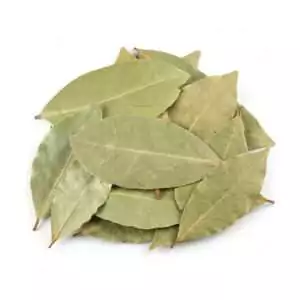
Add a small handful of whole juniper berries to a cloth pouch along with rosemary and bay leaf. Seal and hang above your front door, place in a vehicle, or carry with you. Whole berries retain their resinous scent for months in sachets.
- Threshold and Property Protection
Scatter a handful of whole juniper berries along the inside of your doorway or along a windowsill as a physical barrier against unwanted energies. In Celtic folk tradition, juniper at thresholds prevented malevolent forces from entering.
The Tarot Fellow Standard
Juniper berries are one of those foundational protective botanicals I keep consistently stocked because they appear across so many ritual traditions and practical applications. The whole berry form is most versatile: use intact in sachets, crush for incense work, or scatter for threshold protection without additional processing. They’re also durable, holding their resinous potency far longer than most cut herbs. Explore my altar supplies collection for cauldrons and other tools that support working with botanical incense.
Frequently Asked Questions
Juniper berries are used for protection, purification, and banishing in folk magic. They are placed in sachets, burned as incense, and scattered at thresholds. Celtic and Norse traditions used them to guard against malevolent spirits.
Place whole or lightly crushed juniper berries on a lit charcoal disc. They release a sharp, piney, resinous smoke. Crush them slightly for faster release. Juniper incense is traditionally used for space purification and banishing work.
Yes. Juniperus communis berries are the defining botanical in gin production. Their distinctive piney, citrusy, resinous scent is familiar from culinary use. In magical practice, the same whole berries are used for sachets and incense.
Celtic, Norse, Druidic, and Wiccan traditions all have documented uses for juniper in protection and banishing work. Medieval practitioners burned juniper during plague outbreaks. Druids used juniper and thyme incense before visionary work.
Reviews
There are no reviews yet