
Quick Specs
- Type: Paperback reference book on magical herbalism
- Size: 9.2″ x 6.2″ x 1.3″
- Size/Quantity: Single volume, 9.2 x 6.2 x 1.3 inches, approx. 1.7 lbs
- Best for: Wiccan practitioners, magical herbalists, ritual formulators
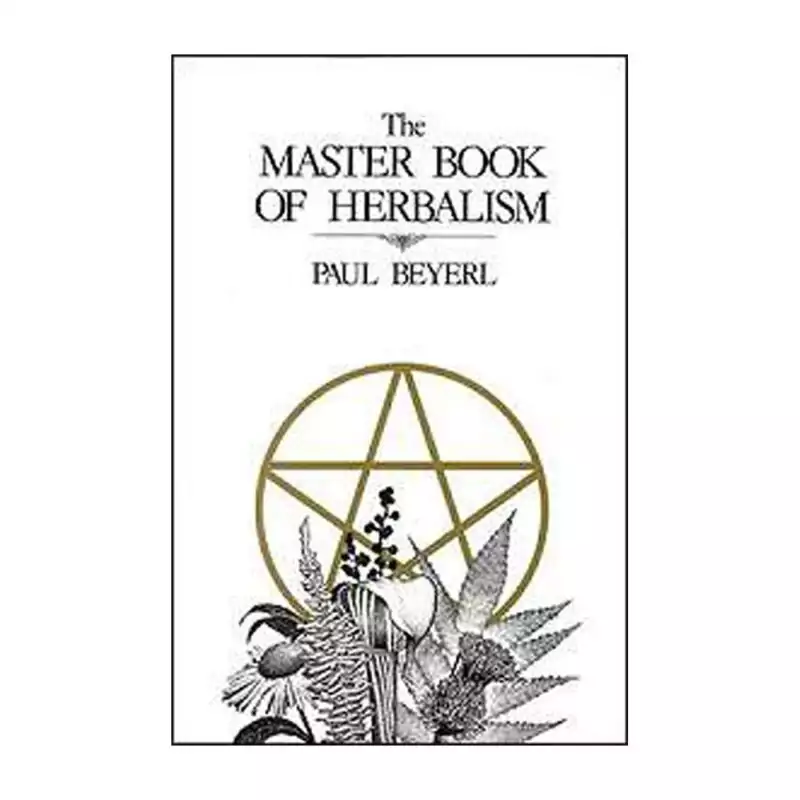
Master Book of Herbalism: Paul Beyerl’s Definitive Magical Plant Reference
The Master Book of Herbalism by Paul Beyerl has been considered one of the definitive references for magical herbalism since its first publication in 1984. Beyerl draws on more than fifteen years of experience as both a practicing magical herbalist and a Wiccan priest to create a volume that takes herbs seriously on both practical and ceremonial levels. The book covers hundreds of plants with detailed entries that go well beyond the bare correspondences found in most magical herb lists, addressing historical lore, ritual applications, and practical preparation methods for each entry.
What makes this reference stand out among magical herbals is its scope. Each plant entry includes planetary rulers, elemental attributions, deity associations, and connections to specific gemstones and tarot cards, allowing practitioners to construct multi-layered rituals where every ingredient reinforces the others. The book also addresses the herbalist as a magical practitioner in their own right, covering herb gathering, storage methods attuned to magical intent, and the philosophy of working with plant energy. Browse my herb and plant magic books for complementary titles on botanical practice.
Practical Formulation: Oils, Incenses, and Ritual Preparations
Beyond the plant profiles themselves, Beyerl devotes substantial sections to practical herb formulation: creating incense blends, anointing oils, amulets, elixirs, balms, and fluid condensers. These sections give practitioners actionable recipes grounded in the same correspondence system running through the rest of the book. For anyone who works with multiple ritual ingredients rather than single herbs in isolation, this integration of theory and practical formulation is particularly valuable.
The book also includes material on herbs used in seasonal festivals, initiations, handfastings, and purification rites, linking botanical knowledge to the ceremonial calendar. Beyerl’s writing is direct and knowledgeable without being inaccessible, making the text useful for intermediate practitioners while offering enough depth to serve as a long-term reference for experienced formulators. All herbs described in this volume are addressed in their ritual and magical context.
How to Use Master Book of Herbalism
Three ways to get the most from this reference in your magical practice.
- Start with the Herbalist’s Framework
Start with the front matter and Beyerl’s introduction to the herbalist’s role before diving into individual herb entries. His framework for magical herbalism, rooted in fifteen years of practice, gives essential context for the plant profiles ahead.
- Build Formulas Using Correspondence Tables
Use the planetary and elemental correspondence tables to build oil, incense, and sachet formulas. Each herb entry cross-references gemstones, tarot cards, and deities, letting you align multiple symbolic systems in a single ritual working.
- Plan Ceremony Work with the Seasonal Sections
Consult the seasonal festivals and ritual sections when planning ceremony work. Beyerl includes handfasting, purification, and initiation uses alongside everyday magical applications, making this a reference for both daily and formal ritual.
The Tarot Fellow Standard
I carry the Master Book of Herbalism because it earns its reputation as a thorough reference rather than a padded herb list. Beyerl treats magical herbalism as a serious discipline with its own internal logic, and that rigor shows throughout the text. It is the kind of book that stays on the shelf for years and gets consulted regularly rather than read once and shelved. Practitioners interested in pairing this text with working materials will find relevant stock in my herbs and accessories collection.
Frequently Asked Questions
The Master Book of Herbalism covers hundreds of herbs with planetary rulers, elemental attributions, deity associations, gemstone links, and tarot correspondences, plus practical guidance on creating oils, incenses, sachets, and fluid condensers.
Yes. Beyerl covers both medicinal herb properties and magical applications in a single volume. However, on this site all botanical content is presented in a ritual and metaphysical context, not as health, dietary, or supplement guidance.
Paul Beyerl wrote the Master Book of Herbalism based on over fifteen years of experience as a magical practitioner and herbalist. The book was first published in 1984 and remains a foundational reference for magical herbalism and Wiccan herb work.
Yes. Beyerl includes extensive information on creating incense blends, anointing oils, amulets, elixirs, balms, and fluid condensers from herbal ingredients, making this a practical workbook as much as a reference text for magical practitioners.
Reviews
There are no reviews yet