

Quick Specs
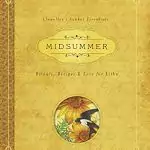
- Author: Deborah Blake
- Publisher: Llewellyn Worldwide (Sabbat Essentials #3)
- Format: Paperback, 240 pages, 4.9″ x 6.9″
- Best for: Pagans and Wiccans seeking Summer Solstice rituals, sun magic, fire tradition, and fae lore
Midsummer, Litha, and the Summer Solstice in Pagan Tradition
Midsummer, called Litha in modern Wicca, falls on the Summer Solstice, around June 21, the longest day of the year. In pagan cosmology, this is the solar peak: the sun is at its maximum power, the earth is saturated with light, and from this day forward the days will slowly shorten toward Yule. Ancient cultures across the Northern Hemisphere marked the solstice with enormous bonfires, sun-watching ceremonies, and offerings to ensure the harvest’s abundance. Norse and Celtic peoples saw Midsummer as a primary fire festival, second in intensity only to Beltane.
Deborah Blake, a Wiccan high priestess and prolific Llewellyn author based in upstate New York, brings an engaging multicultural perspective to the solstice. Her Old Ways chapter covers the Oak King and Holly King mythology, the ancient Celtic belief that the two kings battle at each solstice, with the Holly King defeating the Oak at Midsummer to rule the waning half of the year. She also covers Shakespeare’s A Midsummer Night’s Dream as a cultural artifact of the widespread belief in heightened fairy activity at the solstice, a tradition found across British, Irish, and Scandinavian folklore.
Fire Rituals, Fae Lore, and Practical Solstice Celebration
Blake organizes the book in the Sabbat Essentials format: Old Ways, New Ways, Spells and Divination, Recipes and Crafts, Prayers and Invocations, Rituals of Celebration, and Correspondences. The spell section includes herbal charms, crystal workings, and a Thor summer storm spell for practitioners who won’t have sunny weather on the actual solstice day. The recipes are seasonal and largely vegetarian, featuring summer fruits, garden herbs like St. John’s Wort and chamomile, and ale-based celebratory drinks. Reviewers consistently praise Blake’s seasonal recipe selection as one of the strongest in the entire series. Explore my pagan and Wicca books collection for all eight Sabbat Essentials volumes.
The Correspondences chapter provides colors, stones, herbs, and deities for Litha, covering not just mainstream Wiccan associations but also Nordic and Celtic attributions. Blake explicitly names handfasting as a traditional Midsummer activity in many cultures, making this volume especially useful for practitioners planning a pagan wedding or handfasting rite at the solstice. Her coverage of fairy offerings and etiquette is practical and grounded rather than folkloric speculation.
How to Use Midsummer
Three steps to using this Summer Solstice guide in your practice.
- Explore the Historical Lore
Read the Old Ways chapter first to ground yourself in Midsummer history. Blake covers the Oak King and Holly King mythology, the ancient tradition of midsummer bonfires, Norse and Celtic solar celebrations, and fairy lore tied to the solstice.
- Build Your Litha Altar
Build a Midsummer altar using the Correspondences chapter: gold and yellow candles, St. John’s Wort, chamomile, sunstones like citrine or amber, and oak or fern imagery. Blake provides a full list of colors, herbs, and deities for Litha.
- Choose a Solstice Ritual
Choose a ritual from the Rituals of Celebration chapter, such as the midsummer bonfire ceremony or a handfasting blessing. Blake also includes a Thor summer storm spell for practitioners without sunny weather on the solstice day.
The Tarot Fellow Standard
I stock this book because Deborah Blake brings genuine depth to the solstice. Her multicultural coverage of Midsummer lore, from Scandinavian fire tradition to British fairy folklore to the Oak King mythology, gives practitioners more to work with than the average sabbat guide. The recipes are seasonal and practical, and her ritual formats work for both solitary practitioners and group celebrations. This is the Summer Solstice reference I’d reach for when planning a Litha practice. For related seasonal tools, browse my altar supplies collection.
Frequently Asked Questions
Midsummer, also called Litha, is the Summer Solstice, around June 21, the longest day of the year. It is one of the four solar sabbats on the Wheel of the Year and marks the peak of the sun’s power before the days begin to shorten again.
Deborah Blake is the author of this volume. She is a prolific Llewellyn author and Wiccan high priestess based in upstate New York, known for her practical, grounded approach to modern pagan practice and seasonal celebration.
Fairies are strongly associated with Midsummer in British and Celtic tradition, famously depicted in Shakespeare’s A Midsummer Night’s Dream. Blake covers fae lore, offerings for fairy activity, and how to incorporate it into solstice practice.
It is a 4.9 by 6.9 inch paperback with 240 pages, published by Llewellyn Worldwide in 2015 as volume 3 of the Sabbat Essentials series. All eight volumes share the same compact format, rituals-recipes-lore structure, and Wheel of the Year focus.


Reviews
There are no reviews yet