

Quick Specs
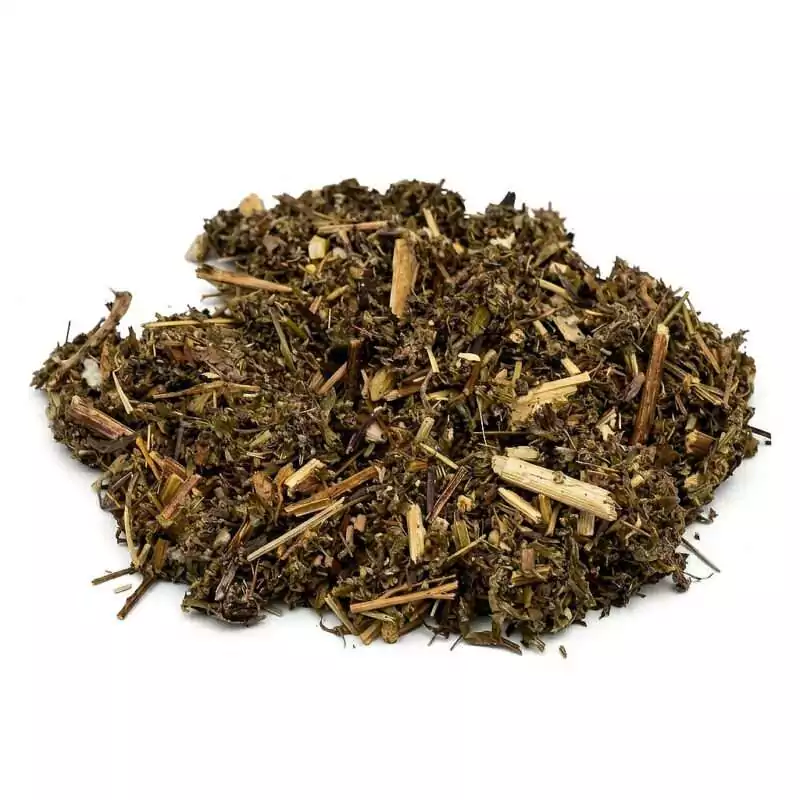
- Type: Dried cut herb
- Size/Quantity: 1 oz
- Best for: Psychic tea preparation, third eye pillow sachet, European folk protection
- Sourcing: SQF & Kosher certified supplier
I source this herb from a supplier that’s both SQF, Safe Quality Food, certified and Kosher certified, meeting real, audited quality standards rather than just a label. What’s in this packet is suitable for your kitchen, a cup of tea, your altar, and your spell jar.
Mugwort Psychic Tea and Third Eye Work
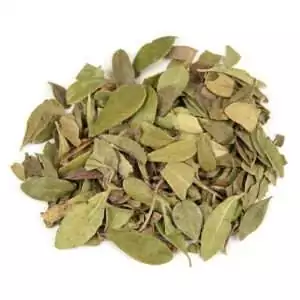
Mugwort (Artemisia vulgaris) has been called the witch’s herb across European folk tradition for good reason. Named for the goddess Artemis, this moon-associated plant has been used to sharpen psychic perception and prepare the mind for ritual, divination, and inner sight work since at least the early medieval period. One of its most accessible entry points is as a psychic tea: steeping one teaspoon of dried mugwort in a cup of hot water for eight to ten minutes produces a mildly bitter infusion that practitioners in multiple folk traditions have used before tarot reading, scrying sessions, or meditation to quiet the analytical mind and heighten intuitive receptivity.
The cut form is ideal for tea preparation because it releases its volatile oils readily without needing grinding. Mugwort’s active constituents include thujone, camphor, and various sesquiterpene lactones that produce its distinctive bitter, slightly camphoraceous taste. Mugwort tea should not be consumed in large quantities or over long periods, and it is contraindicated during pregnancy due to its historical use as an emmenagogue. For occasional ritual preparation in small amounts, it has a long and well-documented track record in both European herbalism and ceremonial contexts.
European Folk Protection and the Dream Pillow Tradition
In medieval European folk practice, mugwort was one of the nine sacred herbs of the Anglo-Saxon tradition, used specifically for warding and protection against illness, evil influences, and fatigue. Roman soldiers famously placed mugwort in their sandals to prevent road-weariness on long marches, a practice that connects to the herb’s traditional association with safe travel. In Japanese Buddhist and Shinto tradition, mugwort bundles were tied to clothing as protective amulets. Across these geographically distinct practices, a consistent theme emerges: mugwort guards those who move between states, whether physical journeys or the liminal territory of sleep and dream.
The third eye pillow sachet is one of the most popular ways to use mugwort today. A small cloth pouch filled with dried mugwort, placed under or inside the pillowcase, draws on the herb’s traditional association with vivid and memorable dreams. Practitioners use this approach for dream recall practice, for working with dream journals, or for intuitive guidance received during sleep. Browse my bags and pouches collection for small cloth pouches suited to this kind of dream sachet work.
How to Use Mugwort
Three methods for working with dried cut mugwort in psychic preparation, dream work, and ritual cleansing.
- Psychic Preparation Tea
Place one teaspoon of dried cut mugwort in a cup and pour just-boiled water over it. Cover and steep for eight to ten minutes, then strain. Drink before divination or tarot work to quiet analytical thought and open intuitive perception.
- Third Eye Dream Pillow Sachet
Fill a small cloth pouch with two to three tablespoons of dried mugwort. Tuck the sealed pouch inside your pillowcase before sleep. The herb’s aromatic compounds diffuse slowly through the fabric, supporting vivid dream recall on waking.
- Smoke Cleansing and Ritual Preparation
Place a small amount of dried mugwort on a lit charcoal disc in a fireproof vessel. Let the smoke fill your ritual space before divination or scrying. Mugwort smoke is also used to cleanse tarot cards and other divinatory tools.
The Tarot Fellow Standard
Mugwort is one of those herbs I consider essential for anyone building a divination-centered practice. The 1 oz cut size is right for practitioners who want to work with it in small amounts, whether for tea preparation or sachet work, without committing to a large stock. The cut form is specifically better for these uses than whole or powdered: it extracts quickly in hot water and packs well into small sachets. If your practice centers on readings and inner vision work, explore my tarot and divination collection for the tools that complement this kind of preparation work.
Frequently Asked Questions
Steep one teaspoon of dried cut mugwort in a cup of just-boiled water, covered, for eight to ten minutes. Strain and drink before divination or meditation. The tea is mildly bitter. Avoid during pregnancy and limit to occasional use.
Fill a small cloth pouch with dried mugwort and tuck it inside your pillowcase. As you sleep, the volatile oils diffuse through the fabric. This European folk practice encourages vivid, memorable dreams and sharper waking recall.
Mugwort was one of nine sacred herbs in Anglo-Saxon tradition, used for warding and protection. Roman soldiers placed it in sandals to prevent road fatigue. Across European folk practice, it guarded travelers and those moving between states.
For external uses such as smoke cleansing or dream pillows, mugwort is generally well-tolerated. Do not consume during pregnancy. As with any botanical incense, burn in a ventilated space. Sachet use poses no significant risk for most adults.

Reviews
There are no reviews yet