

Quick Specs
- Type: Natural snail shell specimen
- Size/Quantity: Single specimen, natural size variation
- Best for: Altar display, sacred geometry study, water element symbolism, offering vessels
The Sacred Spiral: Natural Geometry in the Snail Shell
The spiral is one of the oldest symbols in human spiritual history, appearing in Neolithic megalithic carvings at Newgrange in Ireland, in the koru of Maori tradition, and in the double-spiral motifs of ancient Celtic metalwork. The snail shell is one of nature’s most accessible embodiments of this geometry, its logarithmic spiral growth pattern following the same mathematical ratio that describes the arrangement of seeds in a sunflower, the shape of a nautilus cross-section, and the arm of a galaxy. This is what sacred geometry practitioners call the Fibonacci sequence made visible in a living creature’s architecture, a portable, naturally occurring example of the pattern that underlies visible form across scales from microscopic to cosmic.
In ritual traditions that work with natural specimens, the snail shell corresponds to the water element, the moon, and the feminine principle. Water governs emotion, intuition, and the cycles of birth and dissolution, and the spiral form of the shell mirrors the cyclical nature of lunar phases and the spiral path of personal development. Placing a snail shell on the altar acknowledges the intelligence embedded in natural form without imposing a manufactured symbolism, which is precisely why practitioners who prefer working with found or natural objects favor specimens like these over mass-produced altar pieces.
Ritual and Metaphysical Applications
Shells of all kinds appear in Afro-Caribbean traditions, particularly in Lucumi (Santeria) and Candomble, where cowrie shells hold deep divinatory and ritual significance as sacred to Yemoja, Oshun, and the Orishas more broadly. Land snail shells are used more commonly in Pagan, Wiccan, and folk magic practice as altar decorations and elemental representatives. Their concave interior makes them effective as small natural offering vessels, holding a pinch of salt, a drop of oil, flower petals, or a crystal chip without the formality of a purpose-made offering bowl. Browse my altar supplies collection to find complementary tools.
For students of sacred geometry and practitioners who incorporate natural history into their practice, snail shells provide an inexpensive and genuinely beautiful reference specimen. Grouping several shells of varying sizes illustrates how the same spiral ratio scales across different specimens, and pairing them with ammonite fossils or carved Fibonacci demonstration pieces creates a teaching display that is both aesthetically pleasing and conceptually rich.
How to Use a Snail Shell Specimen
Three ways to incorporate a snail shell specimen into ritual, altar, and study practice.
- Position on the Altar
Place the shell on your altar as a symbol of the water element or the moon. Position it in the west quarter if you work with elemental directions, or near a candle or bowl of water to reinforce a lunar working setup.
- Use as an Offering Vessel
Use the shell as a small natural offering vessel. Fill it with a pinch of salt, a drop of moon water, or a crystal chip. Its spiral interior creates a contained space suitable for small votive offerings placed during ritual work.
- Sacred Geometry Display
For sacred geometry study, arrange several shells alongside other natural specimens on a display cloth. The logarithmic spiral of the snail shell is a direct natural example of the Fibonacci sequence visible from galaxies to seed heads.
The Tarot Fellow Standard
I stock natural specimens like snail shells because the most honest altar tool is often the one that comes directly from nature. These shells carry the sacred geometry of the Fibonacci spiral without any human manufacturing, which gives them a different kind of authority on the altar than a cast resin piece could. They are accessible, genuinely beautiful, and conceptually rich for anyone who works with elemental or lunar symbolism. For more natural objects and specimens, browse my shells and natural accessories collection.
Frequently Asked Questions
Snail shells are associated with the water element, the moon, and the divine feminine in folk magic and Pagan traditions. Their spiral form embodies the Fibonacci sequence, making them a natural example of logarithmic growth used in sacred geometry.
Shells are used as offering vessels, altar decorations, and ritual tools in traditions like Lucumi and Candomble, where cowrie shells carry divinatory significance. Land snail shells serve mainly as altar pieces and sacred geometry specimens.
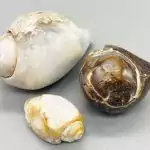
The listing covers natural snail shell specimens. Exact species, size, and coloration vary because these are natural objects rather than manufactured items. The image shows a representative sample of the appearance typical of this listing.
Natural shells need no special care. Keep them dust-free and dry. Avoid prolonged harsh sunlight, which can fade the surface. Wipe with a barely damp cloth if needed. Do not soak shells in water, as this can affect surface finish over time.


Reviews
There are no reviews yet