
Quick Specs
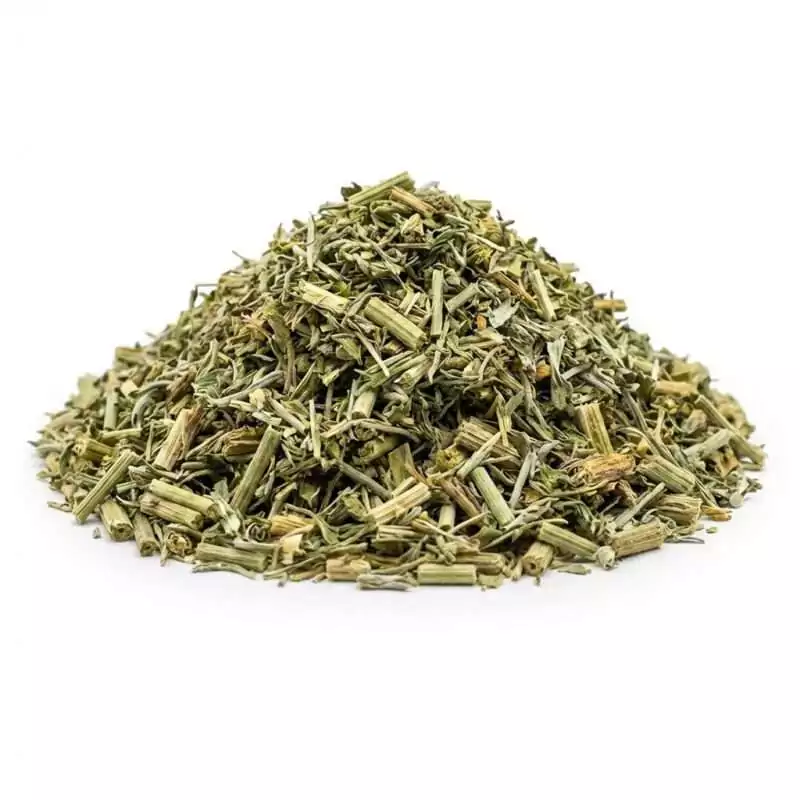
- Botanical name: Artemisia absinthium
- Common name: Wormwood, Grand Wormwood
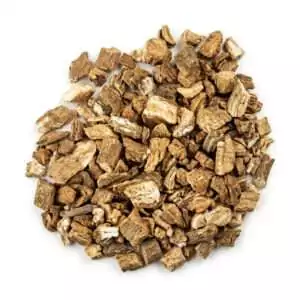
- Size/Quantity: 1 oz cut dried herb
- Best for: Divination incense, psychic work, dream sachets, astral travel rituals
- Sourcing: SQF & Kosher certified supplier
I source this herb from a supplier that’s both SQF, Safe Quality Food, certified and Kosher certified, meeting real, audited quality standards rather than just a label. What’s in this packet is sourced from that supplier, but wormwood contains thujone, which is toxic in large doses, so it is not a kitchen or tea herb and should not be taken internally.
Wormwood Herb: From Absinthe History to Divination Practice
Artemisia absinthium, called grand wormwood or common wormwood, is a silver-leaved perennial native to temperate Europe, Asia, and North Africa. It belongs to the artemisia family, which takes its name from Artemis, the Greek goddess of the hunt, thresholds, and the moon, a botanical lineage that aligns neatly with the herb’s long association with liminal states and spirit work. Wormwood is the plant that made absinthe what it is: the distilled spirit banned in much of Europe in the early twentieth century was flavored partly with wormwood’s bitter compound thujone, which was believed, somewhat fancifully, to cause hallucinatory states. The notoriety of absinthe gave wormwood lasting cultural cachet in European esoteric circles.
Beyond the absinthe story, wormwood has a much older history in European witchcraft and folk magic. The medieval herbalists included it in preparations burned to drive out pestilence, and the plant appears in Anglo-Saxon records as one of the nine sacred herbs of the Germanic tradition. In Slavic folk practice, bundles of dried wormwood were hung at thresholds during midsummer to prevent the return of restless dead. The Greeks used it in moon rites and dream oracles, associating it with Artemis as a boundary herb, one that marked the edge between what is seen and what is sensed.
Wormwood in Divination, Astral Work, and Ancestral Ritual
In contemporary witchcraft, wormwood is primarily a divination and psychic-opening herb. Practitioners burn the dried cut herb on charcoal discs before scrying sessions, tarot readings, or pendulum work, using the bitter, aromatic smoke to focus intention and, in traditional belief, open channels to the spirit realm. It is frequently paired with mugwort for dream work and astral travel, the two plants complementing each other across a range of visionary practices documented in European folk magic and contemporary witchcraft. Some practitioners place a small sachet of wormwood near the pillow to encourage vivid or informative dreams.
This is dried, cut wormwood herb sold as a botanical curio for incense and ritual use. It is not a tincture or a supplement. Wormwood contains thujone, which can be harmful in concentrated or large doses, so it is not recommended for internal use. For complementary incense resins and granular botanicals, browse my granular resin and loose incense collection.
How to Use Wormwood Cut
Three ways to incorporate dried wormwood into ritual, divination, and ancestral practice.
- Burn on Charcoal for Divination
Place a small charcoal disc in a heat-proof censer or incense burner and allow it to fully ignite. Add a pinch of dried wormwood to the glowing coal and let the smoke fill your working space before divination or scrying.
- Make a Psychic Sachet
Bundle a small amount of dried wormwood into a sachet or organza bag and place it near your tarot cards, crystal ball, or dream journal. The scent is intended to heighten psychic receptivity and focus during reading sessions.
- Blend an Ancestral Incense
Blend dried wormwood with mugwort and a pinch of frankincense resin for an ancestral incense blend. Burn on charcoal before any spirit communication work or when you want to deepen focus during a meditation on the past.
The Tarot Fellow Standard
I stock wormwood because it is genuinely one of the most historically rich psychic herbs in the European tradition, and most online listings either reduce it to an absinthe curiosity or make unsupported health claims. Neither approach serves a practitioner who actually wants to work with the plant. This is cut dried herb, sourced as Artemisia absinthium, checked for species accuracy. I keep it in stock because the combination of divination use, ancestral work, and the well-documented absinthe history makes it a compelling and legitimate addition to any herb cabinet. For books that cover European plant magic and witchcraft herbal traditions in depth, check out my witchcraft and spellcraft book section.
Frequently Asked Questions
Wormwood (Artemisia absinthium) is the key bittering agent in absinthe, the infamous anise liqueur popular in 19th century Paris. Its thujone content creates an intensely bitter flavor and is the source of its long association with altered states.
Wormwood is used in folk magic and witchcraft for divination, psychic opening, astral travel, and communication with ancestors or spirits. It is burned on charcoal as a loose incense or added to sachets near scrying tools and dream pillows.
No. This product is dried, cut wormwood herb (Artemisia absinthium), not an extract. It comes from a certified supplier, but wormwood is not a kitchen or tea herb and should not be taken internally, because thujone in large amounts is harmful. I sell it as a botanical curio for incense and ritual use.
Wormwood’s most potent folk magic pairings include mugwort for dream and astral work, and frankincense or copal for spirit communication. It is also combined with bay leaf or anise seed in divination incense blends used before scrying.
Reviews
There are no reviews yet