
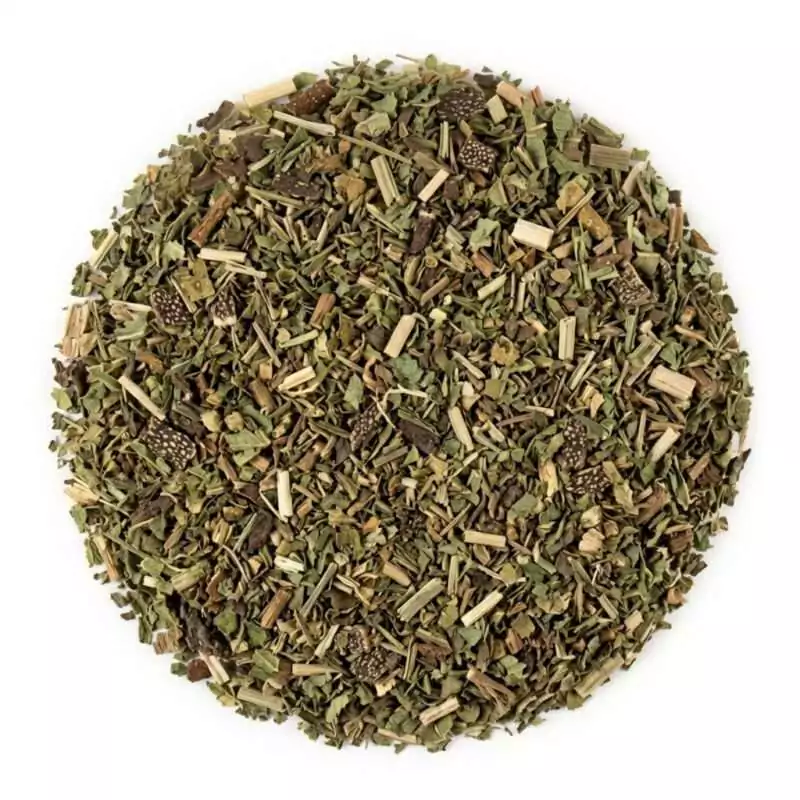
Quick Specs
- Botanical name: Symphytum officinale
- Common name: Comfrey, Knitbone, Boneset, Bruisewort
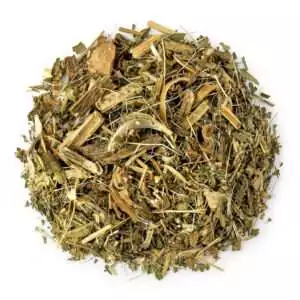
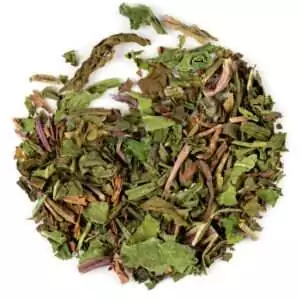
- Size/Quantity: 1 oz cut dried leaf
- Best for: Travel protection charms, money stability sachets, poppet stuffing, grounding work
- Sourcing: SQF & Kosher certified supplier
I source this herb from a supplier that’s both SQF, Safe Quality Food, certified and Kosher certified, meeting real, audited quality standards rather than just a label. What’s in this packet is for your altar and your spell jar. Comfrey is not a kitchen or tea herb and should not be taken internally in any form, because it contains pyrrolizidine alkaloids that can harm the liver.
Comfrey Leaf: The Knitbone Herb of Travelers and Folk Healers
Symphytum officinale, known in Old English as knitbone, boneset, or bruisewort, is a hardy perennial native to Europe and parts of temperate Asia. The folk name knitbone reflects the plant’s long reputation for mending and holding things together, a reputation that carried over into its ritual use. The word symphytum itself derives from the Greek symphein, meaning to unite or grow together, cementing the plant’s identity as a herb of repair and stabilization.
The leaves contain a lower concentration of pyrrolizidine alkaloids than the root, which is why the leaf is generally treated as safer for topical and ritual use. This product is leaf only, not root, and is sold as a botanical curio for ritual purposes rather than as a medicinal preparation.
Comfrey in Folk Magic: Travel Safety, Stability, and Binding Work
In folk magic, comfrey’s knitbone identity translates directly into its magical uses. The primary associations are travel protection, the prevention of loss during journeys, and money stability: the idea that just as comfrey binds tissue together and holds what should be united, it can hold luck, funds, and safe passage in place for the person who carries it. Folk belief holds that travelers carried comfrey root or leaf in their luggage or clothing to arrive safely and return home with their belongings intact. Browse my selection of bags and pouches for charm bags to house your comfrey blends.
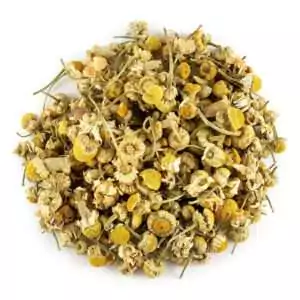
Comfrey leaf is used as poppet stuffing, taking advantage of its binding and stabilizing energy to add durability and protection to figure work. It also appears in money sachets alongside chamomile and silver coins, where its stabilizing function is called on to hold earnings in place rather than to attract new wealth. Comfrey is a Saturn-ruled herb in most European magical systems, which aligns it with structure, endurance, and the grounding of what needs to last.
How to Use Comfrey Leaf Cut
Three traditional folk magic uses for dried comfrey leaf in protection, stability, and travel work.
- Create a Travel Protection Charm
Place a small pinch of dried comfrey leaf into a blue or black flannel charm bag alongside a lodestone and a piece of your travel itinerary or a map. Carry the bag in your luggage or pocket whenever you travel for a traditional safe-passage charm.
- Make a Money Stability Sachet
Add dried comfrey leaf to a money-stability sachet with dried chamomile and a silver coin. The ‘binding’ or ‘knitting’ quality of comfrey in folk magic tradition is called on to hold financial gains in place and prevent money from slipping away.
- Blend a Grounding Protection Sachet
Blend a pinch of comfrey leaf with mugwort and a small piece of obsidian in a protection sachet for the home. Set it near the front door or in a corner of the main room, drawing on comfrey’s traditional role as a guardian and stabilizing herb.
The Tarot Fellow Standard
I stock comfrey leaf because it is underappreciated relative to how genuinely useful it is in practical folk magic, particularly for travel protection and grounding work. Most listings I see either lead with medicinal claims that stretch beyond what the evidence supports, or ignore the travel magic tradition entirely. I prefer to be straight about what this is: dried leaf, not root, sold as a ritual herb, with a straightforward acknowledgment that comfrey’s pyrrolizidine alkaloid content makes internal use inadvisable. The knitbone tradition is documented, the travel charm use is documented, and the binding-in-money-work interpretation is consistent with how the herb’s energy is commonly described in herb magic. For more ritual herbs to build out your practice, explore my herb and accessories collection.
Frequently Asked Questions
Comfrey (Symphytum officinale) earned the folk name knitbone for its old reputation as a mending, binding herb. In folk magic, this same binding quality extends to stabilizing luck, money, and travel safety.
Comfrey leaf is used in folk magic for travel protection, money stability, and grounding. Travelers historically tucked it into luggage or clothing as a protective charm. It is also used in poppet stuffing and binding work.
This product is dried, cut comfrey leaf (Symphytum officinale), sold as a botanical curio for ritual use. Comfrey root contains higher concentrations of pyrrolizidine alkaloids than the leaf, but the leaf contains them too, and they can harm the liver, so comfrey should not be taken internally in any form.
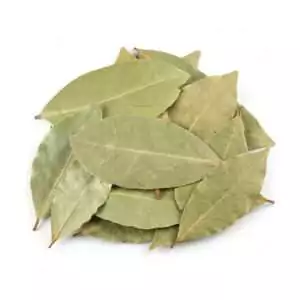
Comfrey pairs well with chamomile and bay leaf in money-stability sachets, with mugwort in protection work, and with rosemary and lavender for general grounding blends. In poppet work, it is used as a stuffing herb to add durability and protection.
Reviews
There are no reviews yet