

Quick Specs
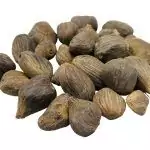
- Type: Sacred palm nuts (ikin), 3-eye variety
- Size/Quantity: 1 pound
- Best for: Ifa divination, babalawo ceremony, Yoruba and Lucumi Santeria practice
Ikin Seeds and the Ifa Divination System
Ifa is the divination system of the Yoruba people of West Africa, centered on the orisha Orunmila, also called Ifa, who holds the knowledge of past, present, and future. The babalawo, or father of secrets, uses ikin palm nuts as one of the two primary physical instruments in the Ifa consultation process. During divination, the babalawo holds sixteen ikin in both palms and attempts to pass them from hand to hand in a single motion. The number of seeds remaining in the receiving hand, one or two, determines the stroke marked in sawdust on the opon Ifa tray, building a pattern across eight marks that resolves into one of the 256 odu of the Ifa corpus.
The term three eyes refers to the number of natural pores visible on the seed’s surface. Yoruba and Lucumi tradition holds that ikin with an odd number of eyes, particularly three or five, are properly configured for use in Ifa divination. Seeds with two or four eyes are understood to have different applications or to be less suitable for the full divination process. The botanical source is Elaeis guineensis, the African oil palm, which also produces palm oil, a sacred substance used throughout Yoruba and Lucumi religious practice in offerings and ritual preparation.
Lucumi Santeria and Diaspora Practice
The Lucumi tradition, also called Santeria or La Regla de Ocha, carried Yoruba religious practice across the Atlantic during the transatlantic slave trade, where it took root in Cuba, Puerto Rico, Brazil, and eventually the United States. Within Lucumi, the Ifa lineage, Regla de Ifa, preserves the babalawo priesthood and the use of ikin in consultation. Initiated babalawos receive their ikin as part of their consecration, and those seeds become inseparable from their practice. This supply listing serves initiated practitioners who need replacement or supplemental seeds for active ceremony.
I stock these seeds for babalawos and Ifa practitioners who need a reliable supply source for ceremonial use. This is specialist material for those already inside the tradition. For related ritual supplies used in Yoruba-derived practice, explore my Voodoo, Hoodoo, and Santeria collection.
How Ikin Seeds Are Used in Ifa Divination
An explanation of how ikin palm seeds function within the Ifa divination process for initiated practitioners.
- Hold and pass the ikin in both palms
The babalawo cups all sixteen ikin in both palms and passes them from left to right in a single downward sweep. The number remaining in the right hand, one or two, determines a single or double stroke marked in iyerosun powder on the opon Ifa.
- Build the odu across eight marks
Repeating the pass-and-mark process eight times produces a pattern of strokes in two columns of four. This pattern corresponds to one of 256 odu of the Ifa corpus. Each odu contains ese Ifa verses the babalawo recites for the consulting client.
- Store and maintain the ikin with proper protocol
Ikin used in active divination are stored in a consecrated container in palm oil or other prescribed substances per lineage instruction. Practitioners outside the tradition should understand that ikin require initiation context before ritual use.
The Tarot Fellow Standard
I stock ikin seeds because babalawos need a consistent supply source, and I want to serve the Ifa and Lucumi community with the same seriousness I bring to every other lineage I carry. These seeds are offered for initiated practitioners in active practice. For the broader range of divination tools I carry across traditions, visit my tarot and divination collection.
Frequently Asked Questions
Ikin are palm nuts of Elaeis guineensis, the African oil palm, used as the primary instrument in Ifa divination. The babalawo uses sixteen seeds in a casting process building one of 256 odu patterns, each corresponding to a body of sacred verses.
Yoruba and Lucumi tradition holds that ikin with an odd number of natural pores are properly configured for divination. Three-eye seeds are among the most valued for this purpose. Seeds with even-numbered eyes are less suitable for full Ifa.
Ikin are initiation-specific instruments. A practitioner outside the tradition who has not received ikin through formal initiation from a babalawo does not have the ceremonial context required to use them. These seeds serve initiated practitioners.
Ifa refers to the divination system governed by Orunmila and practiced by initiated babalawos. Santeria, also called La Regla de Ocha or Lucumi, is the broader Yoruba-derived tradition. Ifa requires a separate initiation from orisha initiation.


Reviews
There are no reviews yet