
Quick Specs
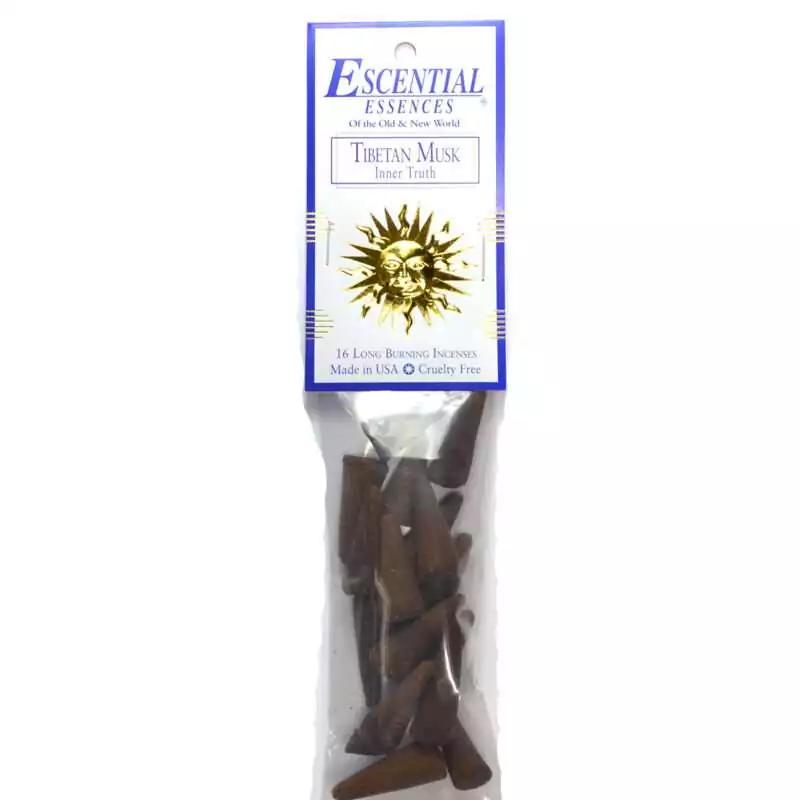
- Brand: Escential Essences
- Type: Cone incense
- Size/Quantity: 16 cones per package
- Best for: Deep meditation, Buddhist-inspired practice, grounding and centering, Himalayan altar atmosphere
Musk in Tibetan Buddhist and Himalayan Ritual Tradition
Tibetan incense has a documented history stretching back over a thousand years, with monastery-produced blends recorded in the Tibetan medical canon, the Gyushi, as both ritual tools and pharmacological preparations. Traditional Tibetan incense combines Himalayan botanicals including juniper, rhododendron bark, spikenard, and calamus root, bound with natural resins and occasionally with musk from the Himalayan musk deer, Moschus chrysogaster. Real musk is now strictly regulated under CITES, so contemporary musk-labeled incense uses synthetic muskalide or other aromatic musks that approximate the dry, slightly animalic earthiness of the original without wildlife impact.
In Tibetan Buddhist practice, incense serves as one of the five sense offerings made on an altar alongside water, flowers, light, and food. The Tibetan word for incense, Poe, literally means cloud, reflecting the tradition’s view of smoke as a vehicle between the material and subtle planes. Musk-based scents in this tradition are associated with grounding and centering, pulling the meditator’s attention fully into the body and the present moment before ascending into more refined states of concentration. That’s the opposite use case from many Western meditation incenses, which try to elevate or etherealize the practitioner’s experience.
Grounding, Centering, and Deep Meditation Practice
Contemporary practitioners use Tibetan Musk incense in seated meditation, zazen, and mantra recitation sessions where the goal is sustained, rooted concentration rather than altered-state visioning. The deep, earthy musk scent helps anchor the nervous system in the physical body, particularly useful for practitioners who find lighter floral or citrus incenses too stimulating to sit quietly with. It pairs well with a singing bowl, a body-scan practice, or chanted mantra, all of which share the same downward-drawing, embodying quality.
These cones are a fragrance composition rather than an authentic Himalayan botanical blend, and that distinction matters for practitioners sourcing a liturgically correct preparation. For ceremonial or monastery-style use with specific botanical requirements, genuine Tibetan rope or stick incense from the traditional production centers of Bhutan or Nepal would be the appropriate choice. For daily meditation atmosphere and grounding work where fragrance consistency and ease of use are the priority, Escential Essences cones are a practical, well-executed option. The 16-cone pack supports roughly two to three months of daily practice at one cone per session.
How to Use Tibetan Musk Incense Cones
Three steps for incorporating Tibetan Musk incense cones into daily meditation and grounding practice.
- Prepare the Meditation Space
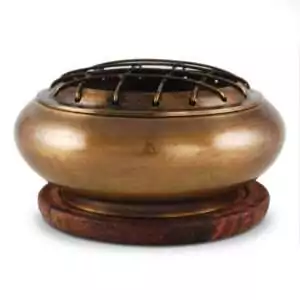
Place your cone burner at altar height in your meditation space so smoke disperses at face level while you sit. If working with a Tibetan-style altar, position the incense between the water offering bowl and the light offering as tradition suggests.
- Light and Ground Before Sitting
Light the cone, let musk-forward smoke fill the room two to three minutes before sitting. Do a brief body scan, pressing feet to the floor. The earthy musk scent actively supports downward grounding in a way lighter incenses simply cannot provide.
- Sit for the Full Burn
Begin your meditation, mantra recitation, or zazen as the cone burns. Tibetan Musk’s sustained base note stays steady without sharp transitions, which prevents it from pulling attention mid-session. Seal remaining cones to preserve earthy depth.
The Tarot Fellow Standard
I carry Tibetan Musk because it fills a specific gap: practitioners who want a deep, grounding meditation incense that references the Himalayan tradition without the liturgical specificity of authentic Tibetan botanical blends. The Escential Essences version is consistent, accessible, and long-burning, which matters for daily practice more than occasional ceremonial use. If you’re building a dedicated meditation altar, pair these with pieces from my meditation and chakra collection for cushions, singing bowls, and altar accessories. For complementary granular resin incense with deeper Himalayan character, browse my granular resin selection.
Frequently Asked Questions
Tibetan Musk references the Himalayan monastery incense tradition, historically using musk deer extract with juniper and spikenard. Modern versions use synthetic musk, as Himalayan musk deer are a CITES-protected species with restricted trade.
In Tibetan Buddhist tradition, incense is one of five sense offerings on the altar. Musk varieties are linked to grounding before entering concentration states. Practitioners often burn this during seated meditation or mantra recitation sessions.
No. It is a fragrance-compound cone made in the USA referencing the Tibetan Musk profile. It is not a traditional botanical preparation from Bhutan or Nepal. For liturgically correct Tibetan incense, seek monastery-produced rope or stick incense.
Black tourmaline, smoky quartz, and obsidian pair well with Tibetan Musk’s grounding quality, supporting root chakra work. Shungite is popular for deep grounding. Any placed on your altar complement the earthy centering scent quite well.

Reviews
There are no reviews yet