



Quick Specs
- Brand: Espiritu
- Type: Ritual fragrance oil
- Size/Quantity: 1 oz bottle
- Best for: Commanding authority, domination work, asserting will, leadership rituals
Commanding Oil and the Command-and-Compel Family
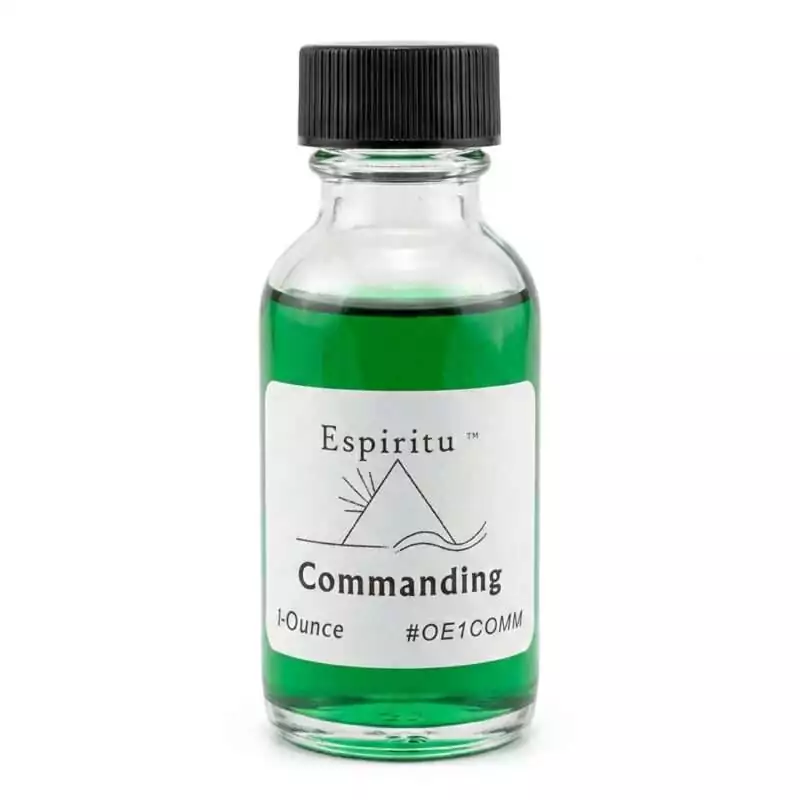
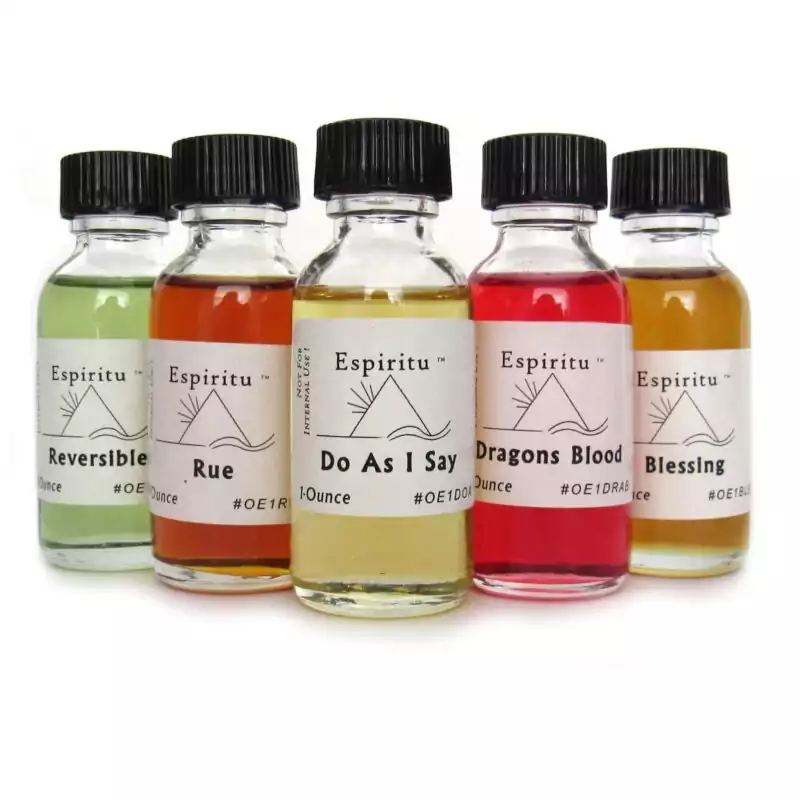
Commanding oil is a hoodoo condition-oil name for authority and command over a situation, part of the command-and-compel family alongside Controlling, Compelling, and Do As I Say formulas. These oils are used when the practitioner needs to exert their will over another person or a difficult situation, making their word and intent the dominant force in any interaction. Commanding is less aggressive than full domination formulas but firmly assertive.
People reach for commanding oils when polite requests are not being honored and firmer intervention is called for. It’s also used in workplace and negotiation contexts, where a practitioner needs to be the one whose instructions are followed.
Practical Uses of Commanding Oil
Purple candles are a common color for commanding work, associated with power, authority, and the assertion of royal will. Indigo candles serve a similar purpose. Practitioners anoint the candle, their own pulse points, and any written correspondence or legal documents where they need their position to carry force.
The 1oz size is the right choice for practitioners who work commanding rituals regularly, whether for ongoing workplace situations, persistent relationship dynamics, or repeated negotiation scenarios where the formula is used in multiple sessions.
These are ritual fragrance oils. Espiritu’s Commanding is one of the formulas based on traditional conjure recipes, designed for anointing candles, petition papers, and sacred objects. It is not intended for therapeutic or cosmetic skin application.
How to Use Espiritu Commanding Ritual Oil
Three focused steps for working with this authority formula.
- Anoint Yourself Before Asserting Authority
Apply the oil to your wrists, the back of your dominant hand, and your forehead before any meeting, negotiation, or confrontation where you need your position and will to carry undeniable authority over the outcome.
- Dress Correspondence and Petitions
Apply a small amount to the corners and center of any letter, petition paper, or legal document where you need your word to be the final authority. Fold the paper toward you and carry it until the situation resolves.
- Burn a Purple Candle for Ongoing Command
Dress a purple or indigo candle from tip to base while naming the person or situation you are commanding. Burn it for at least thirty minutes daily during an active situation, repeating the named command each time.
The Tarot Fellow Standard
Commanding oil is one of the formulas I return to most when discussing practical hoodoo with practitioners navigating difficult interpersonal or professional dynamics. Hoodoo is a living tradition, and I offer this oil as an entry point, not a substitute for learning from practitioners and community. The 1oz Espiritu size makes sustained work practical without interruption. See my full Espiritu collection for complementary influence and authority formulas, and browse my 7-day jar candles for long-burn commanding work setups.
Frequently Asked Questions
Commanding oil is used to assert authority over people and situations, make your instructions and will the dominant force in any interaction, and support workings where influence, leadership, and control are the primary goals.
Commanding oil is in the same family as domination formulas but is generally understood as less aggressive. It asserts influence and authority firmly without the forceful compulsion associated with stronger domination formulas.
Purple and indigo are common candle colors for commanding work, representing royal authority and the power to direct outcomes. Some practitioners use black for situations requiring absolute control over a resistant person.
Yes. Commanding oil is used for workplace authority, salary negotiations, and situations where a practitioner needs their position and word to carry decisive weight. Anoint your hands and any written correspondence before key meetings.


Reviews
There are no reviews yet