
Quick Specs
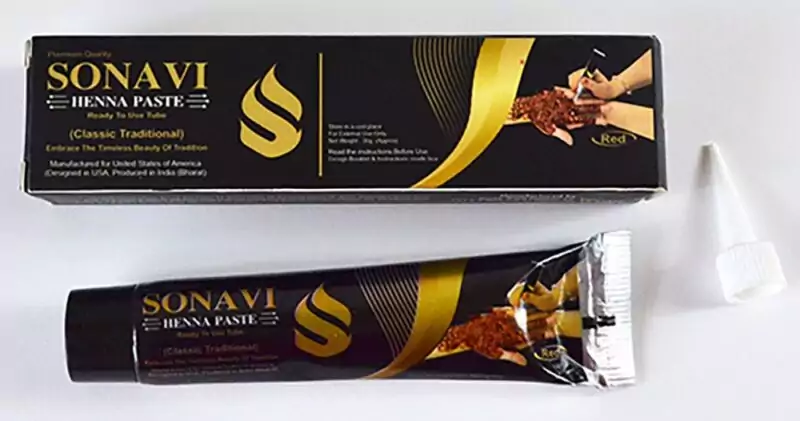
- Type: Ready-to-use henna paste for body art
- Weight: 30 grams
- Derived from: Lawsonia inermis (henna plant)
- Best for: Mehndi body art, spiritual protection patterns, temporary tattooing
Henna Across Cultures: 5,000 Years of Body Art
Henna body art, known as mehndi in South Asian traditions, has been practiced for over five thousand years across the Indian subcontinent, the Middle East, and North Africa. The paste derives from the powdered dried leaves of Lawsonia inermis, a flowering shrub native to tropical regions from North Africa through South Asia. The active dye compound, lawsone, binds with keratin in the skin’s surface layer to produce a stain ranging from pale orange to deep reddish-brown depending on skin type, dye release time, and aftercare.
In Indian tradition, mehndi application is a central element of pre-wedding ceremonies, with intricate geometric and floral patterns applied to the bride’s hands and feet as symbols of joy, fertility, and marital protection. In Moroccan Amazigh culture, henna patterns are applied during Eid and at births, and specific geometric designs carry protective and apotropaic meaning passed down through female lineages. In some North African traditions, specific symbols including the hamsa hand and geometric knots are embedded within the design as protective talismans.
Henna in Spiritual Practice
For practitioners working in folk magic traditions, henna offers a distinctive option: temporary body art that carries protective symbolism and can be intentionally designed with sigils, runes, or protective patterns. Unlike permanent tattooing, the temporary nature allows the pattern to be renewed during specific lunar phases or ritual cycles. In some South Asian spiritual traditions, specific patterns are applied to the palms before ritual work to protect and sensitize the hands. The stain typically lasts one to three weeks depending on placement and how well the paste is allowed to set.
This ready-to-use paste format makes it accessible for practitioners who want to experiment without formulating from scratch. The 30-gram portion is enough for multiple small designs on the hands, feet, or wrists. Keep unused paste refrigerated or frozen to extend its shelf life, as henna paste is perishable once mixed. Browse my ritual supplies collection for other tools used in body-based spiritual practice.
How to Use Henna Paste for Body Art
How to apply henna paste for body art and achieve the deepest, longest-lasting stain.
- Prepare Your Skin and Design
Clean the area with soap, rinse, and dry completely. Oils and lotions prevent proper staining, so avoid moisturizers before application. Sketch your design lightly with a cosmetic pencil or apply freehand from the tip of the cone.
- Apply and Allow to Dry Completely
Apply the paste in a smooth, continuous line. Allow it to dry on the skin for a minimum of two hours, ideally four to six for a darker stain. Wrapping loosely with plastic film keeps the paste moist and encourages deeper dye release.
- Remove Paste and Seal the Stain
Scrape the dried paste off without using water. The stain will appear light orange at first and deepen over the next twelve to twenty-four hours. Applying a lemon juice and sugar mixture before removal helps darken the final result.
The Tarot Fellow Standard
I carry henna paste because it fills a genuine gap: practitioners who want body-based ritual art with real cultural roots and without the permanence of tattooing. The traditional spiritual uses of henna in protective design-work are well documented across multiple traditions, and the product itself has a clean safety profile when used on intact skin. For complementary body-based ritual supplies, browse my soaps and bath products collection.
Frequently Asked Questions
Natural henna stains last one to three weeks, fading as skin cells shed. Placement matters: palms and soles last longer than wrists or the tops of feet. Cold weather, dry skin, and frequent hand-washing shorten the duration.
Natural henna paste is generally well tolerated, but a patch test before full application is recommended for sensitive skin. This is natural brown henna only. Black henna containing PPD is a separate product that carries significant skin risk.
Yes. Many practitioners in North African, South Asian, and folk magic traditions use henna to apply protective symbols to the hands, wrists, and feet. The temporary nature allows patterns to be renewed at lunar cycles or before ritual work.
Store unused paste in an airtight container in the freezer for up to six months. Thaw at room temperature before use. Paste that has darkened significantly in the cone has likely oxidized and will produce weaker staining results.




Reviews
There are no reviews yet