

Quick Specs
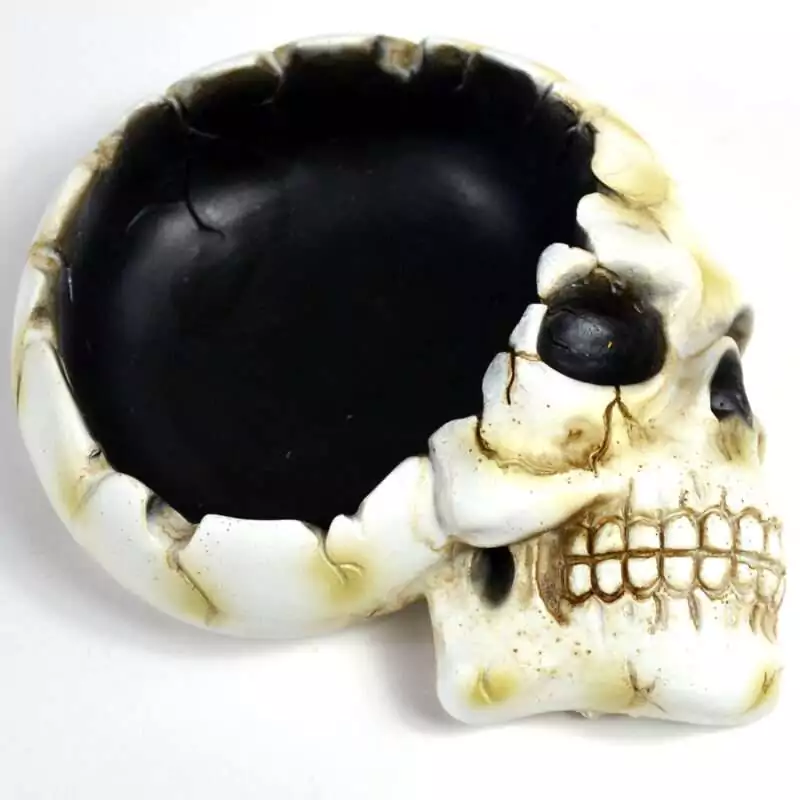
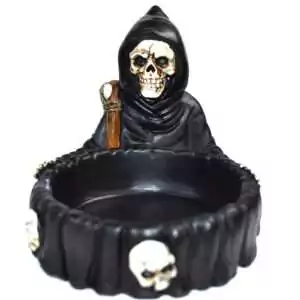
- Type: Resin skull ashtray
- Size: 4.5″ x 6″
- Size/Quantity: 4.5 inches wide by 6 inches long
- Best for: Altar use, incense ash collection, ancestor-themed spaces
Skull Ashtray for Incense and Ritual Altar Setups
A 4.5-inch by 6-inch skull ashtray bridges the practical and the symbolic on an altar. The skull form gives the piece visual weight appropriate to memento mori traditions, Day of the Dead setups, and ancestor-honoring altars, while the resin bowl performs the practical task of collecting ash from burned incense sticks and cones during active ritual sessions.
The 6-inch length gives generous surface area compared to standard ashtrays, making it comfortable to lay two or three spent sticks side by side as they cool. The painted skull detail is applied over the resin cast, giving each piece a hand-finished quality that sets it apart from plain utility ashtrays.
Skull Symbolism Across Spiritual Traditions
Skull imagery appears in ancestor veneration traditions worldwide. In Mexican Dia de los Muertos practice, the calavera skull is a celebratory symbol of the beloved dead rather than a symbol of fear. Skull motifs also often appear on Samhain altars as a representation of the thinning veil and the cycle of death and rebirth.
An altar ashtray with skull imagery does double duty: it manages the practical ash produced by incense offerings while reinforcing the visual language of the altar’s intention. For practitioners who burn multiple sticks as part of longer ceremonies or ancestor-communication sessions, having a dedicated, thematically consistent ash vessel is a practical consideration. Browse my incense and burner collection for compatible incense options.
How to Use the Skull Ashtray
How to set up and maintain your skull ashtray for altar use.
- Position Your Ashtray
Set the skull ashtray on any heat-safe surface close to your incense burner. The 4.5-inch by 6-inch platform gives enough room to lay spent sticks flat and keeps embers from landing on altar cloths or wooden surfaces during a session.
- Snuff and Rest Sticks
When an incense stick burns down, rest it in the skull’s eye socket groove or lay it across the bowl to finish cooling. The skull form is weighted to stay put, and the interior catches fine ash that would otherwise drift across the altar space.
- Wipe Clean After Each Use
Once ash cools fully, tap it out and wipe the ashtray with a dry soft cloth. I avoid soaking resin pieces because prolonged moisture can dull the painted finish on detail pieces like this skull design over repeated sessions.
The Tarot Fellow Standard
I stock this skull ashtray because it earns its place on an ancestor altar as more than a novelty. The painted skull detail is genuinely well-executed, the 6-inch size is actually functional, and it holds up to real use rather than sitting as a purely decorative object. Practitioners who burn incense regularly on their ancestor altars will find this more satisfying than a plain ceramic dish. See my stick incense selection for incense that pairs naturally with ancestor work.
Frequently Asked Questions
The skull ashtray measures 4.5 inches wide by 6 inches long, giving a generous surface area for holding one to three spent incense sticks as well as cigarettes or rolled herbs during altar or ritual sessions.
The skull ashtray is made from resin, which holds up well to the gentle heat of incense ash and cigarette use. I recommend dry-wiping it clean after each session to keep the painted skull detail looking sharp over time.
Yes, skull imagery has deep roots in Day of the Dead and ancestor-honoring traditions, making this ashtray a fitting piece for altars dedicated to ancestral work, Samhain setups, or spaces where memento mori symbolism is intentional.
Keep the skull ashtray away from direct sunlight when not in use, and wipe it dry rather than washing it under running water. Resin holds paint well under normal conditions, but UV exposure and extended moisture are the two main risks to manage.




Reviews
There are no reviews yet