

Quick Specs
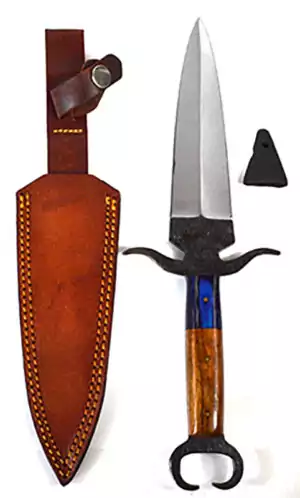
- Type: Ritual athame, ceremonial dagger
- Size: 4.75 inches overall
- Handle: Skull motif
- Best for: Ancestor work, shadow magic, Samhain ritual, psychopomp traditions
The Skull as Sacred Symbol
The skull is one of the most ancient and cross-cultural sacred symbols in human religious history. The Latin phrase memento mori, remember that you will die, shaped medieval Christian iconography and the vanitas tradition in European painting. In Mexican folk Catholicism and Dia de los Muertos practice, the skull is festive and affectionate rather than morbid, a way of keeping the beloved dead present at the table. Celtic traditions honored the skull as a repository of spiritual power: the head was understood to be the seat of the soul, and severed heads were revered as oracles in Iron Age religious practice.
In contemporary witchcraft and Wicca, the skull handle on a ritual athame marks it as a tool suited to ancestor work, shadow magic, and crossroads practice. The skull does not signify death as loss: it marks the thinning of the veil, access to what has been, and the power of those who have crossed before. At Samhain, when the boundary between the living and the dead is traditionally understood to thin, this blade becomes a fitting centerpiece for ancestral altars and remembrance rituals.
Shadow Work and Psychopomp Traditions
Shadow work, the practice of engaging consciously with suppressed or denied aspects of the self, is one of the most demanding forms of personal magical work. A skull-handled athame serves as a focused reminder that this work requires honesty and courage: the skull strips pretense away. Practitioners working with deities like Hecate, the Morrigan, Hel, or Baron Samedi will find the skull motif a natural symbolic fit for those devotional contexts.
At 4.75 inches, this compact blade suits close altar work and the small, focused rituals that ancestor work often demands: a single candle, a photograph, an offering cup, and an athame to direct the working. The size also makes it practical for personal travel altars or for practitioners who work in limited space. Browse my athame collection if you’re building a dedicated ancestor or shadow-work altar setup with matching tools.
How to Use a Skull Athame
A guide to using the skull athame for ancestor ritual, shadow work, and Samhain practice.
- Set the Ancestor Altar
Place a black or purple altar cloth with photographs or mementos of those you wish to honor. Light a white candle for each ancestor. Hold the skull athame in both hands as you speak their names aloud.
- Cast and Direct the Working
Use the skull athame to trace your circle and point toward the west, the traditional direction of the dead in European-derived traditions. Direct your intent through the blade as you call the ancestors.
- Close and Ground Properly
Close the circle widdershins and ground yourself after ancestor or shadow work. Press both palms to the floor, eat something, and spend a few minutes in ordinary activity before returning to daily life.
The Tarot Fellow Standard
This blade earns its place because the skull motif is historically and symbolically coherent with the traditions it speaks to, from Celtic head-cult reverence to Dia de los Muertos to modern shadow work. It’s compact enough for real use and focused enough to carry genuine intent to the altar. For complementary tools including candles and ceremonial wands, explore my ritual supplies collection.
Frequently Asked Questions
Skull athames suit Wicca, traditional witchcraft, and practices honoring Hecate, the Morrigan, Hel, or Baron Samedi. They work well for Samhain rituals, ancestor veneration, shadow magic, and crossroads work.
Yes. The skull symbolizes honoring the dead across Celtic, Mesoamerican, and folk Catholic traditions. A skull-handled athame brings that weight into ancestor altar work, helping focus intent and mark the ritual.
Shadow work means engaging consciously with suppressed aspects of the self. A skull handle reminds the practitioner this work demands honesty. The memento mori symbolism encourages the courage to face what is avoided.
Absolutely. A skull athame functions the same way any athame does for circle casting, quarter calls, and energy direction. The handle symbolism adds meaning but does not limit the tool’s practical ritual function.




Reviews
There are no reviews yet