


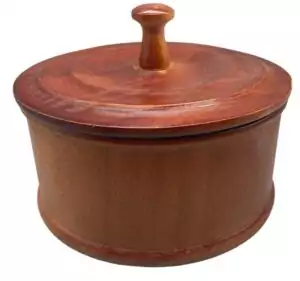
Quick Specs
- Type: Wooden ceremonial bowl for IFA and Santeria practice
- Size: 4″
- Size/Quantity: 4 inches diameter, single piece
- Best for: Orula hand initiation ceremony, Mano de Orula shrine work, IFA divination practice
Orula (Orunmila) in IFA and Santeria Tradition
Orunmila, known in Cuban Lucumi as Orula, is the Orisha of wisdom, destiny, and divination in the Yoruba religious system and its diaspora forms. He is the witness to human fate at the moment of creation (Ori), making him uniquely qualified to counsel practitioners on the path toward their best destiny. In IFA, the divination system attributed to Orunmila and maintained by Babalawos (initiated IFA priests), the Odu corpus of 256 signs constitutes one of the largest oral literary traditions in the world, recognized as an Intangible Cultural Heritage by UNESCO in 2005.
The hand of Orula, known as Mano de Orula or Kofaborisha, is one of the foundational ceremonies in Lucumi practice, through which a practitioner receives Orula’s protective presence and guidance through a set of consecrated objects. This ceremony is the entry point through which many practitioners formally enter the Santeria religious community, performed by a Babalawo under specific ceremonial conditions.
The Role of the Wooden Bowl in Orula Shrine Work
A wooden bowl at 4 inches diameter is a compact ceremonial vessel suited to personal shrine arrangements and initiation ceremony use. In IFA and Santeria practice, Orunmila’s sacred implements, including ikin (palm nuts used in divination), opele (divination chain), and various ceremonial objects, are housed in specific vessels that form part of his consecrated presence. The bowl’s natural wood material is consistent with Orula’s associations with the forest, the earth, and the plant kingdom.
This size is intentionally compact. Full IFA altars can incorporate larger vessels for ceremonial display, but the 4-inch format is appropriate for personal desk or nightstand shrine arrangements, for use within a Mano de Orula ceremony under Babalawo guidance, or as a holding vessel for divination implements between sessions. It should be consecrated according to lineage instruction before use in formal ceremony.
How to Use a Wooden Bowl for Orula Shrine Work
Guidance for consecrating, arranging, and maintaining a wooden bowl as part of an Orula shrine in Santeria practice.
- Consecrate the bowl under lineage guidance
Before placing any implements in this bowl, have it consecrated by a Babalawo according to the appropriate Lucumi ceremony for Orula’s vessels. An unconsecrated bowl is a container only. Ceremony transforms it into a sacred shrine object.
- Arrange Orula’s implements within it
Once consecrated, place the implements inside as instructed by your Babalawo. Do not add items outside lineage instruction. Keep the bowl on a clean elevated surface for Orula, ideally covered with green and yellow cloth of his sacred colors.
- Maintain the shrine between ceremonies
Keep the bowl clean and dry between ceremonial use. Orula’s shrine objects follow specific calendar protocols in Lucumi practice. Follow your elder’s guidance on feeding schedules and any periodic re-consecration required for wooden vessels.
The Tarot Fellow Standard
I carry this bowl because practitioners working within Lucumi and IFA lineages need access to properly sized, correctly specified ceremonial objects, and sourcing quality vessels matters when the object will be consecrated and maintained as part of an active shrine. The 4-inch format serves the personal shrine use case many practitioners need alongside larger ceremonial pieces. Santeria is a living tradition, and this bowl is a supply for devotion, not a substitute for initiation or for the guidance of a godparent and house. Browse IFA and Santeria implements in my Voodoo, Hoodoo, and Santeria collection, and find altar tools in my altar supplies section.
Frequently Asked Questions
Mano de Orula (Kofaborisha) is a foundational Lucumi ceremony through which a practitioner receives Orula via consecrated implements. A Babalawo performs it, making it one of the primary entry ceremonies into the Santeria community.
Orula (Orunmila) is the Orisha of wisdom, destiny, and divination. He witnessed human fate at creation, making him the master counselor on each soul’s path. IFA, the system he governs, holds UNESCO Intangible Cultural Heritage recognition.
Orula’s sacred colors are green and yellow, representing the earth, the forest, and the dual nature of life and death he navigates as the Orisha of destiny. These appear on his altar cloth, beaded necklaces, and IFA ceremony implements.
This bowl is designed for initiatory Lucumi and IFA practice under Babalawo guidance. Without consecration it is a container only. Practitioners outside the lineage wishing to honor Orula devotionally should seek guidance from a knowledgeable elder.




Reviews
There are no reviews yet