
Quick Specs
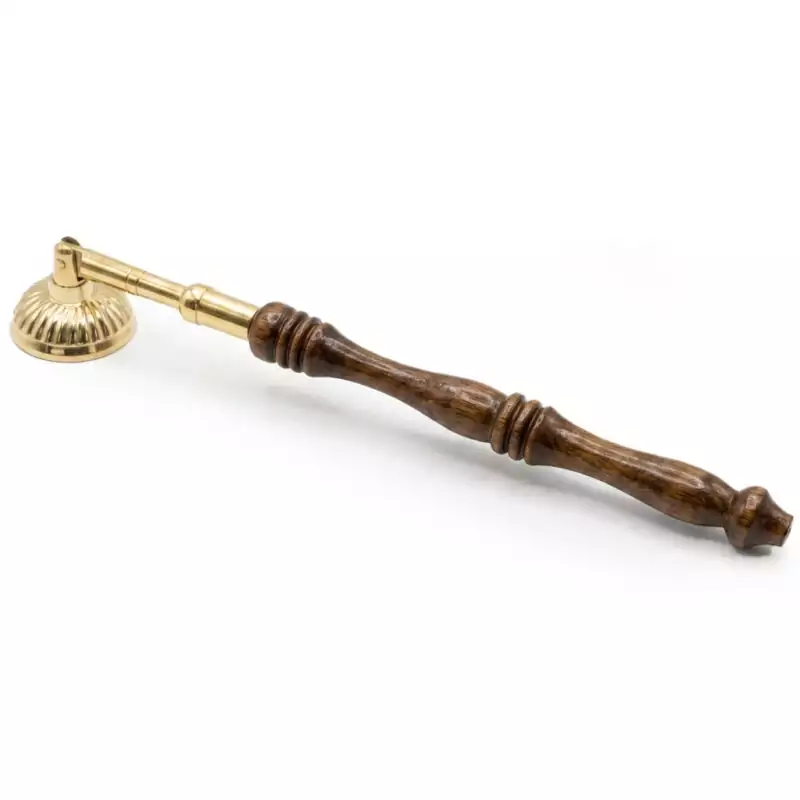
- Type: Candle snuffer
- Material: Brass bell, wooden handle
- Total length: 7.5 inches
- Bell diameter: 1 inch
- Weight: 0.15 lb
The Ritual Case for Snuffing Rather Than Blowing
Blowing out a candle is quick, but in most formal witchcraft and ceremonial traditions the act is discouraged, breath is considered a disruptive force that scatters the intention seeded in the flame during the working. Snuffing is the established alternative: you bring the bell cap down over the wick and the flame suffocates cleanly, leaving the wax undisturbed and the intention intact. The 7.5″ brass snuffer with wooden handle is the most common form of this tool found on altars worldwide, and for good reason. The long handle keeps your hand well clear of the flame and any hot wax pooled around the wick, practical safety that also looks elegant. The 1″ brass bell is sized to cover standard taper wicks and most pillar candle wicks without fuss. After snuffing, the wisps of smoke that rise from the extinguished wick carry the final emanation of your working into the air, a natural closing to the ritual arc.
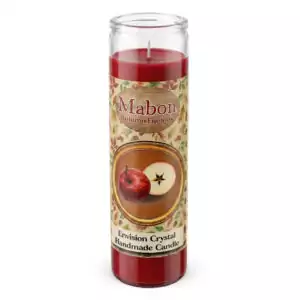
Brass has a long association with solar and protective energy in Western occult traditions, it is a warm, luminous metal that many practitioners feel is an appropriate material for tools that work directly with fire and light. The wooden handle is a practical choice: wood does not conduct heat, so even after the bell cap has been used repeatedly in a single session the grip remains comfortable. At 0.15 lb this is a genuinely lightweight tool, it rests naturally across an altar tray, atop a candle box, or in any flat ritual surface without tipping or rolling. The snuffer pairs well with the aromatic jar candles carried at Tarot Fellow; the Lammas aromatic jar candle, Love Uncrossing aromatic jar candle, and Mabon aromatic jar candle all benefit from a clean bell-snuff closing so their scent lingers without the acrid edge that a blown-out wick produces.
Practical Ritual Applications
The most immediate application is simple candle hygiene: end every ritual candle burn with a snuff rather than a breath. For more structured practice, the snuffer marks a deliberate closing gesture. In spellwork, some traditions instruct the practitioner to state aloud that the working is sealed as the bell descends. In sabbat and esbat ceremony, snuffing altar candles in a specific sequence (quarter candles before the central candle, or the reverse) forms part of the closing rite. In candle work where candles are sometimes burned in stages across multiple days, the snuffer is the preferred closing method, because blowing out a working candle mid-job risks severing the intention. The brass snuffer is also useful for practitioners who run candle-lit meditation or tarot reading sessions where multiple taper or tea-light candles are lit simultaneously; having the snuffer on hand means you can close out the space quickly and safely. It is one of those small, overlooked tools that genuinely changes how a ritual feels to close.
How to Use a Candle Snuffer in Ritual
Three ways to work the brass snuffer into your candle practice.
- Position and Lower Deliberately
Hold the wooden handle at a comfortable angle and lower the 1″ brass bell over the lit wick in one smooth, unhurried motion. Do not jam the bell down onto the wax, the goal is to cut off oxygen to the flame, not to crush the wick. Hold the bell in place for two to three seconds until any lingering glow is fully out. Lift slowly to let the last wisps of smoke rise uninterrupted.
- Speak a Closing Intention
As the bell descends, state your closing phrase aloud or internally, something as simple as ‘This working is sealed’ or ‘I release this intention to manifest’ works for most practices. The deliberate gesture of snuffing, paired with a spoken or silent closing, creates a clean boundary between ritual time and ordinary time. Many traditions distinguish this moment as the point where the working passes from your hands into larger forces.
- Care and Cleaning
After use, allow the brass bell to cool completely before storing. If carbon builds up inside the bell from repeated use, wipe the interior with a dry cloth or cotton swab. Brass naturally patinas over time; many practitioners leave this untouched as evidence of accumulated work. If you prefer the bright finish, a light brass polish restores it. Store horizontally on an altar tray or in a candle-accessories drawer so the handle does not stress the joint.
The Tarot Fellow Standard
I carry this snuffer because it is the kind of small, unglamorous tool that makes a real difference to how ritual feels. Blowing out candles is a habit most of us picked up before we had a practice, the brass snuffer is the simple upgrade that signals you take the close of a working as seriously as the opening. Browse our full candles and accessories collection for the jar candles, holders, and other supplies that pair with it.
Frequently Asked Questions
Most witchcraft and ceremonial traditions hold that breath disrupts the focused energy of a working. Blowing scatters intention; snuffing seals it. Practically, snuffing also prevents hot wax splattering from a breath gust, reduces wick smoke, and prolongs wick life by avoiding the carbon buildup that a forceful breath can drive into the wax.
Yes for most standard jar candles where the wick is exposed above the wax pool, you lower the bell to just above the wax surface rather than needing to fit the bell into the jar opening. For candles with very deep jars where the wick is recessed more than an inch below the rim, a long-reach or wand-style snuffer may serve better. For tapers and pillars the 1″ bell is the standard size and works without issue.
Brass naturally develops a golden-brown patina with use and air exposure. Many practitioners appreciate this as a sign of a well-used tool. If you prefer the bright polished finish, any standard brass polish or a paste of lemon juice and baking soda will restore it. The wooden handle is not affected by normal tarnishing products as long as you keep polish off the wood itself.
Reviews
There are no reviews yet