
Quick Specs
- Botanical Name: Acacia senegal / Acacia seyal
- Type: Powdered natural resin (gum arabic)
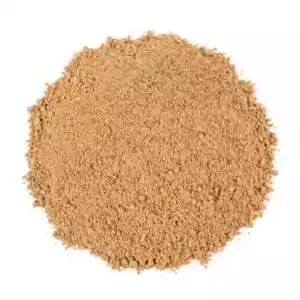
- Size/Quantity: 1 oz powder
- Best for: DIY incense cone and stick binding, Egyptian and Kemetist solar offerings, incense-making ingredient, ritual ink thickener
Gum Arabic Powder 1oz: The Essential Incense Binder and Solar Offering Resin
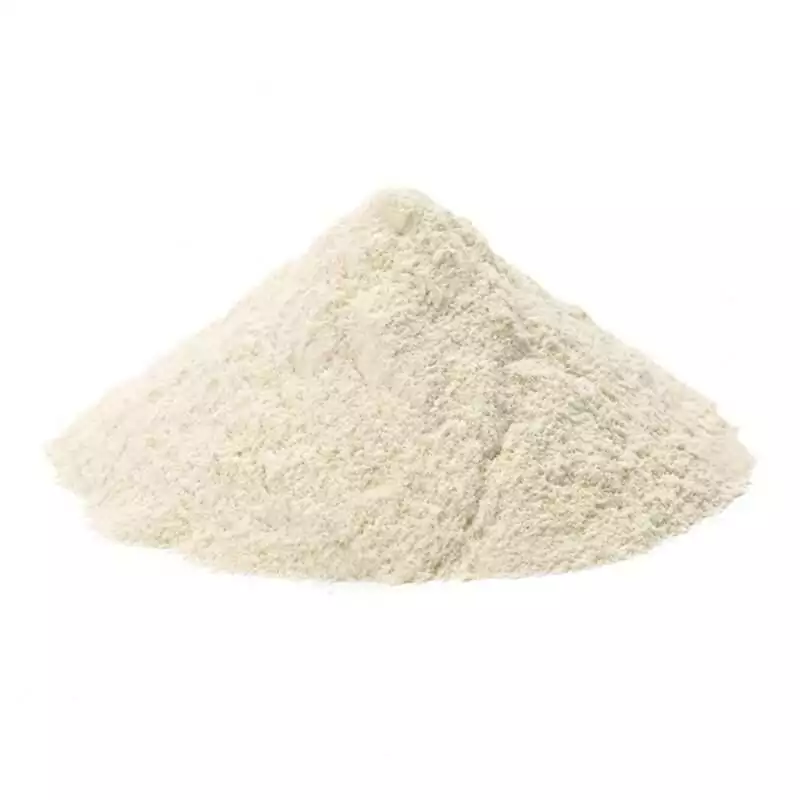
Gum arabic is the dried sap of Acacia senegal and Acacia seyal, thorny African trees that produce this resin in response to environmental stress. It has been used for over four thousand years across North Africa, the Middle East, and the ancient Mediterranean: as an adhesive, a food and medicine ingredient, a painting medium, and a ritual offering. In ancient Egypt, the acacia tree, known as the Tree of Life, was associated with Isis, Nephthys, and the themes of death and rebirth, and gum arabic was almost certainly among the ingredients in embalming and temple incense formulas. Pliny the Elder documented its many uses in his Natural History, noting the acacia’s remarkable capacity to regenerate after being cut, a quality that made it a symbol of resurrection.
In modern ritual practice, gum arabic functions in two distinct ways: as an incense ingredient in its own right, and as a binder for homemade incense formulas. As a standalone incense, it burns with a very light, slightly woody, and faintly resinous scent that has an airy, clean quality. Egyptian and Kemetist practitioners use it as an offering to Ra and other solar deities, taking advantage of its elemental correspondence to the Sun and Air. It does not overwhelm a space with heavy smoke, making it suitable for indoor shrines and altar settings where more resinous incenses like frankincense would be too strong. Explore my granular resins and loose incense collection to see how gum arabic fits alongside other traditional resin incenses.
Using Gum Arabic as an Incense-Making Binder
For practitioners who blend their own incense cones or pressed sticks, gum arabic powder is the classic water-soluble binder. The basic method is straightforward: mix your dry ingredients (powdered herbs, resins, and aromatic woods) together first, then gradually add a gum arabic solution (gum arabic dissolved in water to a thick syrup consistency) until the mixture reaches a clay-like texture that holds its shape when pressed. The resulting cones or cylinders are left to dry for several days before burning. Gum arabic produces a relatively light binding compared to makko or tragacanth, which means it works best in recipes that already include a good base material and does not significantly slow the burn rate of the finished incense.
Gum arabic is also water-soluble, which means it can be dissolved and used as a thickener for ritual inks, a medium for natural pigment painting, or an adhesive for paper-based ritual work like sigil seals and petition papers. The 1 oz powder quantity is appropriate for experimental batches and smaller projects; practitioners who produce incense in volume will want to purchase gum arabic in larger quantities. It stores well in a sealed container away from moisture.
How to Use Arabic Gum Powder
Three practical ways to use gum arabic powder in incense-making, ritual offerings, and magical crafts.
- Make a Gum Arabic Binder Solution
Dissolve one part gum arabic powder in two parts warm water and stir until combined. Let sit for an hour to thicken. Add gradually to your dry incense blend until the mixture holds its shape when pressed, then form into cones and dry 48 hours.
- Burn as a Solar Offering Incense
Place a small amount of gum arabic powder on a lit charcoal disc in a fireproof censer. It burns with a clean, faintly resinous aroma suited for solar deity offerings, morning altar work, or any ritual where light smoke is preferred.
- Use as a Ritual Ink Thickener
Dissolve a teaspoon of gum arabic powder in a small amount of warm water to create a viscous liquid. Mix into natural pigments or ink to improve flow and adhesion for writing petitions, drawing sigils on parchment, or creating seals.
The Tarot Fellow Standard
I added gum arabic powder to the shelf because serious incense-makers need it, and it has historically been absent from most metaphysical shops that carry finished incense but ignore the ingredients. If you’re blending your own cones, this is the binder that keeps everything together. At 1 oz, it’s the right entry-point quantity for practitioners who are experimenting with homemade formulas. For altar supplies and ritual tools that support your incense-making practice, take a look at my altar supplies collection.
Frequently Asked Questions
Gum arabic is a water-soluble natural binder. Dissolved in water to create a syrup, it binds dry powdered incense blends so they can be pressed and shaped into cones or sticks that hold together during drying and burning without synthetic adhesives.
A typical ratio is 10 to 15 percent gum arabic solution by weight of your dry ingredients. Dissolve the powder in warm water to a thick syrup, then add it gradually until your incense mixture reaches a firm, clay-like consistency.
Yes. On a charcoal disc, gum arabic produces a clean, faintly woody and resinous smoke with a light, airy quality. It is used in Egyptian and Kemetist practice as a solar offering to Ra and works well in any ritual needing subtle aromatic smoke.
Ancient Egyptians associated the acacia tree with Isis, Nephthys, and themes of death and rebirth. Gum arabic was likely used in temple incense and embalming. Its solar and Air correspondence in Western magic derives from this lineage.
Reviews
There are no reviews yet