


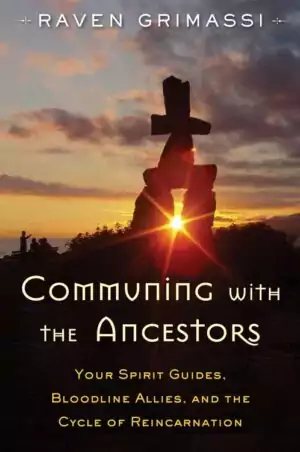
Quick Specs
- Author: D.J. Conway
- Publisher: Llewellyn Worldwide, 1990 (World Magic Series)
- Pages: 208
- Best for: Beginners and intermediate practitioners drawn to Celtic tradition, deities, and spellwork
Celtic Magic: Deities, Trees, Animals, and the Otherworld
D.J. Conway’s Celtic Magic was first published by Llewellyn in 1990 and has remained in print for over three decades, making it one of the foundational texts of the Celtic magical revival in the English-speaking world. Conway draws on Irish, Welsh, and Scottish mythological traditions, treating the Celts not as a monolithic culture but as a family of related peoples who shared a cosmological framework: the Otherworld, the importance of sacred trees and animals, a pantheon of active deities, and a seasonal calendar still recognized in modern Wicca’s Wheel of the Year.
The book covers the Tuatha De Danann of Irish mythology, including the Dagda, Lugh, Morrigan, and Brigid; Welsh figures from the Mabinogion such as Rhiannon, Cerridwen, and Arianrhod; and aspects of Scottish Highland tradition. Conway also covers the Otherworld cosmology, the role of the Druids as a priestly caste, sacred groves, Ogham tree lore, and the symbolic animals that appear throughout Celtic narrative. This breadth is the book’s defining feature; it gives a practitioner a working vocabulary across the entire Celtic magical system rather than depth on a single figure or tradition.
Practical Magic in the Celtic Framework
The second half of Celtic Magic moves from mythology into practice. Conway provides step-by-step spell constructions, ritual formats, meditation techniques, and divination methods rooted in Celtic symbolism. The Celtic calendar chapter covers all eight sabbat observances with their traditional Celtic names and associated practices, from Samhain’s connection to the ancestors and the thinning veil to Imbolc’s association with Brigid and the return of light. The correspondence tables at the back of the book, covering deities, colors, trees, stones, and Ogham, function as a quick reference for practitioners building their own workings.
This book occupies a distinct position in my collection. Courtney Weber’s Brigid is a single-deity devotional, deep and devotional. This is a broad Celtic practice handbook covering spells, ritual, mythology, and the seasonal calendar together. It is the book you reach for when you want to understand the full scope of Celtic magic as a working system, not just one corner of it. Browse my spellcraft and witchcraft books collection for complementary titles on magical practice.
How to Use Celtic Magic by D.J. Conway
Three steps for getting the most from Conway's foundational Celtic magic handbook.
- Build the Mythological Foundation First
Start with the mythology and deity chapters before any spellwork. Conway maps key Irish, Welsh, and Scottish deities with their domains, symbols, and associated trees and animals. This foundation makes the spell and ritual chapters far more legible.
- Use the Correspondence Tables as a Working Reference
Use the correspondence tables in the back as your working reference. Conway provides deity correspondences, candle colors, stones, and Ogham associations. Cross-reference these with your spell or ritual goals to choose the right symbolic toolkit.
- Follow the Celtic Calendar in Real Time
Work through the Celtic calendar chapter in real time, following the eight sabbat observances as they occur. Conway's descriptions of Samhain, Imbolc, Beltane, and Lughnasadh ground the practice in seasonal rhythm, the backbone of Celtic magic.
The Tarot Fellow Standard
I stock Celtic Magic because it gives practitioners an actual working map of the Celtic tradition rather than a curated highlight reel. Conway’s correspondence tables alone have practical value as a desk reference. The book has earned its longevity honestly: thirty-plus years in print and consistently recommended as a starting point for Celtic magical study. If you want to deepen the deity side of your practice, browse my full books and journals collection for single-deity and mythology titles that build on Conway’s broad foundation.
Frequently Asked Questions
Conway covers Irish, Welsh, and Scottish traditions as facets of a broader Celtic framework. She notes the Celts were diverse peoples and focuses on the most documented mythological and magical currents across those three regional traditions.
Both. Early chapters cover Celtic history, culture, and deity mythology. Later chapters shift to applied practice: spell construction, ritual formats, the Celtic calendar, and tree and animal lore in magical workings. The blend is the main strength.
Yes. Conway designs this for beginners and intermediate practitioners. It assumes no prior Celtic magical knowledge, the pace is accessible, spells and rituals are clearly formatted, and the tables in the back make it easy to use as a reference.
Broader in scope than single-deity books like Brigid devotionals. It covers deities, trees, animals, sabbats, and spells. Regional scholarship books go deeper historically; Conway trades some depth for practical, usable Celtic magical technique.
1 review for Celtic Magic by D.J. Conway — Llewellyn Celtic Pagan Beginner’s Guide