


Quick Specs
- Type: Ekuele / Opele divination chain (Ifá oracle tool)
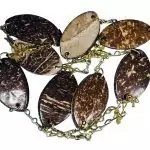
- Material: Coconut shell halves linked by metal chain
- Tradition: Yoruba and Lucumí (Afro-Cuban) Ifá
- Best for: Initiated babalawos and iyanifas performing daily Ifá consultation
- Note: Offered for those in the tradition; consecration by a qualified priest is required before use
What the Ekuele Is in Ifá Divination
The ekuele, also spelled ecuele or opuele in Latin America and known as opele in Yorubaland, is the divining chain used by priests of Ifá to consult the orisha Orunmila. The chain carries eight half-shells, four on each side of the center, and each half can land concave side up or convex side up when the chain is cast. That simple binary produces the signatures of the 256 odu Ifá, the sacred corpus of verses that carries the wisdom of the tradition.
In Yoruba teaching, the opele is described as the assistant of Orunmila, the orisha of wisdom and divination. It is considered the minor instrument compared to ikin, the sacred palm nuts reserved for the most consequential ceremonies and life-path work. For daily consultation, for answering client questions, and for moving through ebo and ibo work quickly, the ekuele is what most babalawos reach for. The chain, as the saying goes, talks more than the palm nuts.
Coconut Shell Ekuele in the Lucumí Lineage
The original West African opele is carved from the seed pods of Schrebera golungensis, the opele tree that gives the instrument its name. In the diaspora, particularly within the Lucumí tradition that carried Ifá from Yorubaland to Cuba and beyond, coconut shell became a common and respected material for the chain. Coconut holds ritual weight of its own in the Yoruba-Lucumí world through obi divination, and coconut-shell ekuele is the version many priests work with in the Americas today.
Each half is split and dressed so the concave and convex faces read cleanly on a white cloth. The chain segments between the halves are long enough that the two lines fall parallel when thrown, and small markers at the ends let the diviner tell the right column from the left, which matters because reversing the columns reverses the odu.
For Initiated Hands Only
This ekuele is offered for those who have been initiated into the tradition. Casting Ifá with the opele is the work of a babalawo or iyanifa who has passed through itefa and received the rites that authorize them to read the odu. Students and aborisha may handle training chains under the guidance of their godparent, but consultation for clients, and any serious divination work, belongs to initiated priests within a recognized lineage.
A new ekuele is not ready for divination the moment it leaves the box. It must be washed, fed, and consecrated by a qualified babalawo through the appropriate rites so that ase settles into the chain and it can speak for Orunmila. I offer this as the physical tool, honestly sourced and honestly described. The ceremony that turns it into a working oracle is for your godparent or officiating priest to perform in your lineage, not for any shop to promise.
How to Use the Ekuele Coconut Chain
Using the ekuele belongs to the work of initiated Ifá priests. These steps outline the honored structure of a consultation for those within the tradition.
- Consecrate with your godparent
This chain arrives unconsecrated. Before any divination, bring it to your godparent or officiating babalawo so the proper rites can be performed. Only then does the ekuele carry ase and speak for Orunmila during your Ifa consultations.
- Prepare the ritual space
Lay a clean white cloth or straw mat in front of you. Keep your ibo objects within reach, greet Orunmila with the opening moyuba, and hold the consecrated ekuele at its center so four halves hang to the right and four hang to the left.
- Cast and read the odu
Swing the chain gently and lay it flat on the cloth with your right hand. Read each half as concave up or convex up, transfer the pattern into the odu signature, then recite the ese Ifa and work the ibo to refine the message from Orunmila.
The Tarot Fellow Standard
Ifá is a lineage religion, and I carry this ekuele with real respect for that. I list it clearly as a ceremonial tool for initiated priests so no one in the tradition has to squint at a vague listing to decide whether a shop understands what they are selling. You can find it alongside the rest of my Voodoo, Hoodoo and Santeria supplies, and if you work outside the Lucumí tradition you are welcome to browse my broader divination tools for an oracle suited to your own practice.
Frequently Asked Questions
The ekuele is cast by initiated babalawos and iyanifas who have completed itefa within a recognized Ifa lineage. Students may hold training chains under a godparent, but client consultation belongs to fully initiated priests.
No. This chain is supplied as the physical tool. It must be washed, fed, and consecrated by a qualified babalawo through the proper rites before it can carry ase and speak for Orunmila in an actual Ifa consultation.
Ekuele and opele are the same instrument, the Lucumi and Yoruba names for the divining chain. Ikin are the sacred palm nuts used for the most consequential work. Priests use the chain daily and reserve ikin for major rites.
Each of the eight coconut halves lands concave up or convex up when cast. Four on the right and four on the left form the two columns of a figure, and that pattern matches one of the 256 odu Ifa that the priest then reads.


Reviews
There are no reviews yet