

Quick Specs
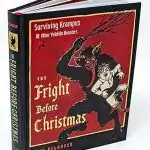
- Author: Jeff Belanger
- Type: Hardcover folklore and paranormal history book
- Subject: Krampus and pre-Christian Yuletide monsters from European winter tradition
- Best for: Wheel of the Year practitioners, folklore enthusiasts, Yule season reading
The Dark Season: Pre-Christian Roots of Yuletide Terror
Before Christmas became a celebration of light and generosity, the winter solstice was understood across northern Europe as the most dangerous time of the year. The sun retreated to its lowest point, the nights stretched longest, and the boundary between the living world and the spirit world was considered dangerously thin. Germanic, Scandinavian, and Alpine peoples populated that darkness with figures of real menace: beings that punished the lazy, the wasteful, and the morally corrupt. Krampus, the goat-horned companion of Saint Nicholas who beats naughty children and drags the worst offenders to the underworld in a basket, is the most widely known of these figures in modern popular culture. He is far from the only one.
Jeff Belanger, a paranormal researcher and author with a long record of serious folklore writing, traces these figures back to their pre-Christian origins rather than treating them as quaint holiday decorations. The Wild Hunt, which sweeps through the winter sky in Germanic tradition, the white-clad Perchta who rewards spinners and disembowels the idle during the twelve days after Christmas, and the Belsnickel of Pennsylvania Dutch tradition all appear in this book with their historical and cultural context intact. For practitioners who work with the Wheel of the Year, this is not casual holiday reading; it is essential background for understanding what the dark half of the year actually meant to the cultures that developed the traditions now practiced in modern paganism and Wicca. My spellcraft and witchcraft books collection carries other titles that complement this seasonal and folkloric focus.
The Full Cast: Krampus and His Companions
Belanger covers a wide roster of Yuletide figures beyond Krampus. Zwarte Piet, the controversial Dutch companion of Sinterklaas, appears in historical form. The Tomten of Scandinavian tradition, elf-like household spirits that could turn protective or punishing depending on how they were treated, represent the household-spirit dimension of midwinter lore. The Karakoncolos, a Turkish demonic figure that haunts the twelve days after Christmas, illustrates how midwinter monster traditions extend well beyond Western Europe. Each chapter includes historical sources, period illustrations, and Belanger’s characteristic style of bringing dense research to accessible prose.
The book is illustrated throughout with period artwork and photographs, making it a visually rich companion to the text. Belanger also examines how the Winter Solstice, Saturnalia, and Yule connect to the Christian Christmas overlay that subsumed them, which gives practitioners working with pre-Christian seasonal observance a clear map of what they are actually reaching back to. This is a hardcover edition, substantial and well-produced. Those building a seasonal practice library will find my full books collection carries related titles on pagan traditions, mythology, and the Wheel of the Year.
How to Use The Fright Before Christmas
How practitioners can engage with this book as seasonal and ritual preparation, not just entertainment.
- Read It as Seasonal Preparation for Yule
Begin reading in late November as Yule preparation. Belanger's historical context for each figure deepens dark-season ritual work and connects modern pagan practice to its actual folk origins in northern European pre-Christian tradition.
- Use It as a Research Entry Point
Each chapter includes Belanger's historical references. Treat it as a doorway. The figures here each have deeper scholarly and folkloric literature that practitioners can pursue based on which tradition resonates most with their own work.
- Incorporate the Figures into Wheel of Year Observance
Identify which figure maps to the dark-season energy you want to honor. Perchta's link to domestic order, or Krampus's role as enforcer of accountability, can each inform a Yule altar or seasonal ritual in a historically grounded, meaningful way.
The Tarot Fellow Standard
I stock this book because Jeff Belanger does the research, and in folklore writing that is not a given. This is not a Krampus novelty item; it is a serious examination of how pre-Christian European winter traditions generated figures of genuine menace, and why those traditions persisted through and alongside Christianization. For anyone who works with the Wheel of the Year and wants to understand what the dark half of the year actually meant to the peoples who developed it, this is essential reading. The hardcover production quality matches the content’s seriousness.
Frequently Asked Questions
Krampus is a goat-horned Alpine figure accompanying Saint Nicholas, punishing naughty children and dragging the worst away. His origins are pre-Christian, rooted in Germanic and Alpine midwinter tradition that long predates the Christmas holiday.
Jeff Belanger is a paranormal researcher and author with multiple books on folklore and unexplained phenomena. His research-first approach distinguishes this book from novelty treatments by grounding each figure in historical and cultural sources.
The book covers Perchta, Belsnickel, Zwarte Piet, the Tomten, Karakoncolos, and others. Each figure is examined in its original cultural context, from Germanic and Scandinavian traditions to Dutch, Alpine, and Turkish midwinter lore.
Yes. Belanger traces each figure to pre-Christian winter solstice traditions, connecting them to Yule, Saturnalia, and the Wild Hunt. This is valuable for Wheel of the Year practitioners seeking historical grounding for dark-season observances.

They are just great and will be the perfect gift for my grandson’s.