

Quick Specs
- Brand: Ellen Dugan / Llewellyn Publications
- Type: Paperback book
- Size: 7.7″ x 7.7″ x 0.9″
- Size/Quantity: 7.7 x 7.7 x 0.9 inches, 264 pages
- Best for: Green witchcraft, plant magic, magical gardening, herbal spellwork
Green Witchcraft and the Garden as Magical Practice
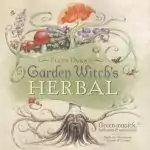
Ellen Dugan’s Garden Witch’s Herbal, published by Llewellyn, approaches plant magic through the lens of a working witch who actually gardens rather than a scholar compiling folklore from a library. Dugan covers the magical correspondences of more than 30 plants commonly found in home gardens and wild spaces, including rosemary, lavender, mugwort, yarrow, holly, oak, rose, and elder. The emphasis throughout is on direct engagement with growing plants rather than purchased dried material, which shifts the magical relationship from transactional to cultivational.
The book falls squarely in the green witchcraft tradition rather than the more ceremonial approach of Cunningham’s herb magic volumes. Green witchcraft emphasizes the practitioner’s relationship with the land, seasonal cycles, and local plant communities over the use of exotic or imported botanicals. Dugan’s approach encourages working with plants that grow in your climate and geography rather than assembling a global apothecary, which produces a more grounded and sustainable practice aligned with the actual natural environment around the practitioner.
Plant Correspondences, Seasonal Magic, and Practical Herb Use
Dugan organizes the plant profiles by magical category rather than strict botanical taxonomy, which makes the book easier to use when planning a working. She groups plants by traditional magical associations: protection herbs like hawthorn and rue, love herbs like rose and violet, prosperity herbs like mint and basil, and psychic herbs like mugwort and bay. Each plant profile includes planetary ruler, elemental association, deities, and specific ritual applications drawn from Wiccan, folk magic, and Celtic traditions.
The seasonal sections are among the most practical parts of the book. Dugan maps the magical growing calendar to the Wiccan wheel of the year, noting which plants to harvest at each sabbat, how to use the energy of the growing season in spellwork, and how to work with plants that are dormant or dying in the dark half of the year. This seasonal framework gives the book more depth for practitioners who want their magical herb work to reflect actual seasonal rhythms rather than a static correspondence table.
How to Use Garden Witch’s Herbal by Ellen Dugan
Putting Dugan’s green witchcraft approach into practice through direct plant work.
- Identify three plants already in your environment
Before buying anything, walk your yard or nearest park and find three plants from Dugan’s profiles that grow near you. Read those profiles first. Working with observable plants through their full growth cycle is the core practice the book teaches.
- Align your first working to the current season
Check which part of the wheel of the year you are in, then turn to Dugan’s seasonal chapter. Select one working that uses plants available in your climate right now. Seasonal alignment is the practical application of the green witchcraft approach.
- Start a plant magic journal alongside the book
Keep a notebook for plant magic observations. Note when plants bloom, their condition at harvest, and what you observe in workings that use them. Dugan’s book gives the correspondences, but the journal captures your direct experience as it develops.
The Tarot Fellow Standard
I keep Garden Witch’s Herbal in stock because Dugan’s emphasis on actually growing plants rather than only purchasing them sets it apart from most herb magic books and reflects a more sustainable and grounded approach to the practice. For the dried herbs that complement Dugan’s plant profiles, browse my herbs and accessories collection. For books on oils and plant magic to deepen the study, explore my oils, herbs, and plant magic books.
Frequently Asked Questions
Green witchcraft centers the practitioner’s bond with local plants, land, and seasonal cycles. Dugan teaches this by emphasizing plants from your own environment, timing on the Wiccan wheel, and direct observation of living plants as they grow.
It covers both. Dugan includes growing notes for the plants she profiles, with preferred conditions and harvest timing alongside magical correspondences. These notes connect a plant’s seasonal behavior to its traditional magical applications well.
Dugan draws from Wiccan practice, Celtic folk traditions, and Western herbalism. She incorporates planetary and elemental correspondences alongside folk witchcraft plant magic. The book suits practitioners from multiple Wiccan traditions and paths.
Yes. Dugan addresses container gardening, window boxes, and potted herbs throughout. She also covers plants found in urban parks and herbs available from garden centers. The core practice is attention to living plants wherever they happen to grow.
Reviews
There are no reviews yet