


Quick Specs
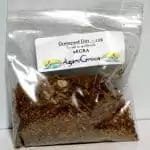
- Type: Cemetery soil (ritual ingredient)
- Weight: 1 lb
- Tradition: Hoodoo; also used in Palo Mayombe
- Best for: Ancestor altar work, protection spells, crossing work, mojo bags
Graveyard Dirt in Hoodoo and Conjure
Graveyard dirt is cemetery soil: earth gathered from the grounds of a burial site, and a staple of hoodoo and conjure rootwork. Its significance lies not in anything chemically unique about the soil, but in the tradition of ancestor work that treats the dead as active spiritual allies rather than passive memories. In hoodoo the practice has Kongo roots: in Kongo cosmology the dead exist in a parallel realm accessible to the living and can be called upon for protection, guidance, and power. Graveyard dirt is also central to Palo Mayombe, a Cuban tradition.
In hoodoo, collecting graveyard dirt is described as “buying” the dirt, a term that reflects the respect owed to the spirit. A silver dime, often a Mercury dime, is the payment placed at the grave before any soil is taken. Practitioners understand themselves to be entering into an agreement with the spirit whose grave is the source.
The Ethics and Protocol of Collecting Cemetery Soil
The protocol for buying graveyard dirt varies between practitioners. Before touching the ground, the practitioner speaks to the spirit, explains their purpose, and leaves an offering: coins, whiskey, tobacco, or flowers depending on the spirit’s preferences or the tradition of the worker. The soil is collected from near the headstone, and only a small amount is taken. The taking is acknowledged as a gift rather than a seizure. Practitioners working with known ancestors often visit the grave regularly rather than only when they need something, building an ongoing relationship with the spirit in the same way one maintains relationships with the living.
This product is ceremonial cemetery soil offered as a curio for practitioners whose tradition works with this ingredient. Browse my protection and cleansing collection for complementary ritual materials.
Grave Types and Their Different Spiritual Properties
Many practitioners hold that not all cemetery soil carries the same energy, and that the spirit of the person buried there shapes the dirt. Dirt from the grave of a family member, someone who loved you in life, is sought for ancestor altar work, elevation ceremonies, and protective blessings. Dirt from a soldier’s grave carries discipline, courage, and defensive strength, appropriate for protection workings and situations requiring someone to stand guard. Dirt from a root worker, healer, or spiritual practitioner of known reputation is used to empower difficult spells and petition work.
Dirt from a criminal or someone who died violently is used in crossing work, because that spirit is understood to be unsettled. Dirt collected from near the entrance of a graveyard, or from the gate keeper’s area, is understood to carry the authority of the cemetery as a whole. The practice is specific because the intent is specific: matching the spiritual character of the dead to the character of the work being done.
How to Use Graveyard Dirt
A respectful protocol for using graveyard dirt in ancestor and protection work.
- Approach the Grave with an Offering
Visit the grave of the person or grave type relevant to your work. Spend a moment speaking respectfully, introducing yourself and your purpose. Leave an offering of coins, whiskey, tobacco, or flowers before removing any soil.
- Collect and Store the Soil
Collect a small amount of soil, no more than a tablespoon or two, from near the headstone. Store it in a sealed glass jar and label it clearly with the name or grave type and the date of collection.
- Apply to Your Working
Use the dirt in mojo bags, jar spells, candle workings, or sprinkled at thresholds. The specific grave type shapes the energy it carries, so match the dirt to the nature of the work you are doing rather than using it generically.
The Tarot Fellow Standard
I stock graveyard dirt because it is a staple ingredient in hoodoo, and it is also used in Palo Mayombe. Hoodoo is a living tradition, and I offer this as an entry point, not a substitute for learning from practitioners and community. This soil is offered for practitioners working within traditions that call for it, with the understanding that collection protocol, leaving offerings and asking permission, is a core part of the practice. For those working deeper into the ancestor veneration framework, browse my ritual supplies collection for additional tools used in altar construction, jar spells, and spirit work.
Frequently Asked Questions
Graveyard dirt is cemetery soil used in hoodoo and also central to Palo Mayombe. In hoodoo it is used in ancestor, protection, and crossing work, and practitioners understand it to carry the spirit of the person buried there.
Practitioners leave coins (traditionally a silver Mercury dime), whiskey, tobacco, or flowers before collecting soil. This payment acknowledges the spirit and asks permission, a protocol rooted in Kongo traditions of exchange with the dead.
Dirt from a family member or beloved ancestor is used for elevation and protection. Dirt from a soldier’s grave is used for strength and defense. Dirt from a criminal’s grave is used in crossing work. Each grave carries its own distinct energy.
Store it in a sealed glass jar labeled with the grave type or name and the collection date. Keep it in a cool, dry place away from other ritual materials.


Reviews
There are no reviews yet