
Quick Specs
- Botanical Identity: Pinus species (Appalachian pine root, used in place of Louisiana iris)
- Origin: Appalachian region, United States, wildcrafted
- Size/Quantity: 4 oz cut root
- Best for: Business prosperity, threshold and doorway work, sustained feminine-power practice
What This Jezebel Root Is
The name Jezebel root comes from the Phoenician-born queen of the Books of Kings, a ruler the Biblical authors painted as a villain and whose name is used in American hoodoo for a root that commands rather than asks. In hoodoo, Jezebel root is a conjure curio used in attraction and influence work, including drawing paying customers.
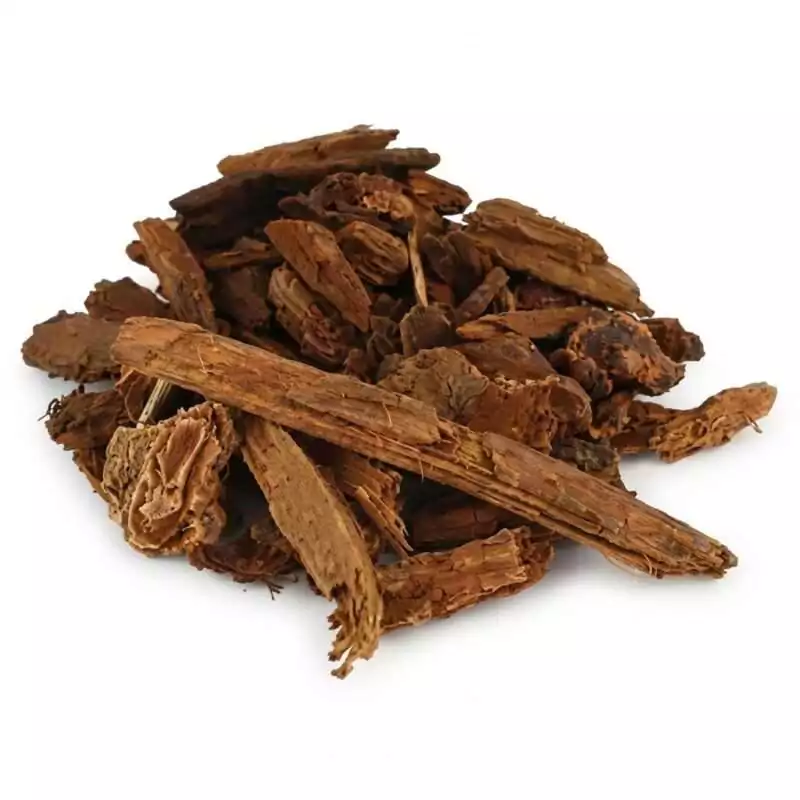
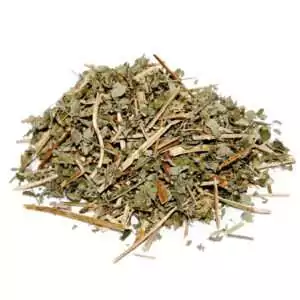
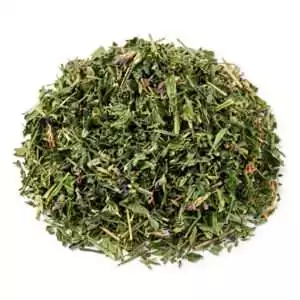
The plant most often given for Jezebel root is a Louisiana iris (Iris fulva, Iris hexagona, or Iris brevicaulis), a wetland rhizome that runs pale when cut. This packet is not that plant. It is the Appalachian folk substitution: dried pine root (Pinus) from the Appalachian region, used by root workers there in place of the iris. The reddish, fibrous pieces are woody pine root. Jezebel root is a folk name, and the plant sold under it varies by region. If your practice is anchored in Louisiana-style conjure and the iris matters to your working, know that going in.
Business Prosperity and Threshold Work
The 4 oz size suits work that uses more material per session than a single carry charm, and a common use is a root wash for floors and thresholds. You can place Jezebel root near a cash register, in a wallet, or at a business entrance to draw paying customers, a use that suits women who earn through their own talents or their own storefronts. Pair it with cinnamon for a faster financial pull, or with a lodestone kept near the register for magnetic drawing that compounds over weeks. Because this is cut root rather than powder, you can simmer a portion for a wash and still have pieces left for a wallet or mojo bag. Browse my Money and Success collection for oils and roots that extend this working, and my Herbs By Magical Use collection for the wider root and herb selection this piece belongs to.
How to Use Jezebel Root for Business Prosperity
This working scales to the size of the root: a floor and threshold wash for the business or home you want to draw prosperity toward, reinforced with a smaller carried piece.
- Brew a Root Wash
Simmer a small handful of the cut root in a pot of water for fifteen to twenty minutes, then strain out the pieces and let the wash cool. This concentrated water carries the root’s intention into a liquid you can use across a whole doorway or floor rather than a single small object.
- Dress the Threshold
Add the cooled wash to your mop water, or apply it directly with a cloth to the front threshold of your home or business. Wipe from the outside in, drawing the motion toward the interior, to invite customers, opportunity, and financial recognition across the boundary rather than pushing them away.
- Reinforce Near the Register or in a Wallet
Place a small piece of the reserved cut root near a cash register, in a business ledger, or folded into a wallet alongside a bill you intend to keep circulating. Refresh the placement monthly with a fresh dab of the wash or a commanding oil to keep the working active.
The Tarot Fellow Standard
I carry this root in the 4 oz size because a wash working uses up material faster than a carry charm does, and running short partway through a floor treatment is its own small frustration. The cut format gives you pieces substantial enough for a simmered wash and small enough to portion into a wallet or register placement from the same bag. This packet is dried Appalachian pine root (Pinus), the folk substitution for Louisiana iris. Hoodoo is a living tradition, and I offer this root as an entry point, not a substitute for learning from practitioners and community. Browse my Love, Attraction and Relationships collection if your Jezebel root work leans more toward romance than business.
Frequently Asked Questions
In hoodoo, Jezebel root is a conjure curio used in attraction and influence work, including drawing paying customers to a business. This listing is dried Appalachian pine root (Pinus), the folk substitution for Louisiana iris, sized for root washes and threshold work.
This listing is dried pine root (Pinus) from the Appalachian region, the folk substitution for the Louisiana iris (Iris fulva, Iris hexagona, or Iris brevicaulis) that is most often given as Jezebel root. Jezebel root is a folk name, and the plant sold under it varies by region.
Appalachian root workers use pine root in place of the iris, a plant that grows in their own mountains. The reddish, fibrous, woody pieces in this packet are pine root (Pinus), not an iris rhizome, and the listing says so up front so you know what you are getting.
Yes. In hoodoo, Jezebel root is used to draw paying customers. You can place it near a cash register, in a wallet, or at a business threshold, which suits women earning through their own talents or storefronts. A simmered root wash applied to the entrance, paired with a small piece kept near the register, is the approach this 4 oz cut format is sized for.
Reviews
There are no reviews yet