


Quick Specs
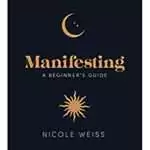
- Author: Nicole Weiss
- Publisher: Leaping Hare Press
- Pages: 224
- Best for: Beginners to manifestation, law of attraction practitioners, modern witchcraft students
Manifestation as a Practical Framework
Manifestation, broadly understood as the practice of intentionally shaping circumstances through focused thought, emotion, and action, has roots in nineteenth-century New Thought philosophy, including the work of figures like Phineas Quimby and later popularized by texts such as the Law of Attraction and the metaphysical self-help tradition that followed. Contemporary practitioners frequently integrate manifestation techniques with Wiccan spellwork, crystal programming, and lunar timing, treating intention-setting as a ritual act rather than purely a psychological exercise.
Nicole Weiss approaches manifestation from a grounded, beginner-accessible framework without assuming prior knowledge of the occult or metaphysics. The book covers self-love, career, wealth, and relationships as four distinct areas of practical application, each supported by illustrated exercises and step-by-step guidance. At 224 pages, it is comprehensive enough to teach the full framework without becoming overwhelming for someone who has never worked with intention or ritual practice before.
Law of Attraction for the Modern Practitioner
What sets Weiss’s approach apart is the emphasis on the practitioner’s internal state as the foundation of any external result. The book does not promise that thinking positively is sufficient on its own; it frames manifestation as a combination of mindset work, practical action, and alignment with one’s own values and vision. This positions it usefully alongside other beginner witchcraft texts for readers who want a spiritual underpinning to their personal development practice.
The Leaping Hare Press edition is illustrated throughout and formatted at roughly 7.6 by 8.55 inches, giving it a workbook feel that pairs well with journaling. If you are building a broader reading list for modern practice, take a look at my witchcraft and spellcraft books collection for complementary titles.
How to Use Manifesting: A Beginner’s Guide
How to work through this manifestation guide for the best results.
- Start with the Self-Love Foundation
Begin with the self-love chapters before moving to career or abundance work. Weiss builds the framework sequentially, and readers who skip ahead find the later exercises less effective without the internal groundwork the earlier sections establish.
- Use the Exercises as Written
The illustrated exercises are designed to be completed, not just read. Keep a notebook alongside the book and write out your responses to each prompt. Your recorded reflections alongside the framework produce a much more complete experience.
- Apply Lunar Timing Where Relevant
Many practitioners align intention-setting with the new moon and release work with the full moon. This book does not require lunar timing, but the exercises integrate naturally with that practice if it is already part of your routine.
The Tarot Fellow Standard
I carry this book because it bridges two audiences that often shop separately: the self-help reader who is curious about spiritual practice, and the new witch who wants a grounded approach to intention-setting that does not require years of study. Weiss writes without condescension, and the illustrated format makes the material approachable without making it shallow. If you want to pair this with a divination tool to support your manifesting practice, browse my tarot and oracle deck collection for tools that complement intention work.
Frequently Asked Questions
Manifestation is intentionally directing thought, emotion, and action toward a desired outcome. Weiss teaches it through illustrated exercises covering self-love, career, wealth, and relationships in a step-by-step format for beginners.
It sits at the crossroads of both. The approach is accessible to readers with no occult background, but aligns well with modern witchcraft and law of attraction traditions. It suits readers in either camp or those exploring the overlap.
The Leaping Hare Press edition runs 224 pages, illustrated throughout in a larger trim size with a workbook feel. The page count is substantial enough to teach a full system without being overwhelming for someone just starting out.
No prior knowledge is required. The book is written for beginners and builds from foundational concepts outward. Readers with experience will still find Weiss’s structured exercises and framework a useful and well-organized starting point.






Reviews
There are no reviews yet