



Quick Specs
- Brand: Llewellyn Publications
- Author: Stephanie Clement, Ph.D.
- Type: Paperback instructional guide
- Best for: Anyone starting a meditation practice who wants technique-based, structured guidance
Meditation Techniques for Beginners: What This Book Actually Teaches
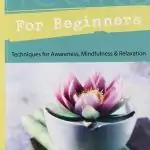
Stephanie Clement approaches meditation not as a mystical state you stumble into but as a natural capacity anyone can train. Her background as a psychologist and astrologer shapes the tone throughout: analytical without being dry, accessible without being watered down. The full title, Meditation for Beginners: Techniques for Awareness, Mindfulness and Relaxation, tells you exactly what you get, and Clement delivers on all three counts.
The book walks through foundational techniques including breath-focused awareness, body scan practice, and guided visualization. Rather than prescribing a single method, Clement introduces several entry points so readers can identify which approach holds their attention. That structure matters for beginners, because the biggest obstacle to a consistent practice is usually trying one technique, finding the mind wanders, and concluding meditation does not work for them.
Mindfulness and Daily Awareness: Building a Sustainable Practice
Llewellyn’s beginner series is known for keeping metaphysical instruction grounded in practical method, and Clement fits that tradition well. She connects awareness training to daily life rather than framing meditation as a separate, time-consuming ritual. Short sessions are treated as genuinely sufficient, which makes the book realistic for someone building a new habit alongside existing responsibilities. You can explore related titles in my mind, body, soul and new age books collection.
Clement also distinguishes between meditation as a relaxation tool and meditation as a practice of sustained awareness, two things often conflated in wellness culture. Readers who want to deepen beyond simple stress relief will find the awareness-development sections particularly useful. This is a book that grows with you from your first five-minute session into a longer-term framework.
How to Use Meditation for Beginners
How to get the most from Clement’s beginner meditation guide over time.
- Read Straight Through Once First
Skim the full book before committing to any single technique. Clement introduces multiple methods, and knowing what is available lets you choose a starting point that suits your temperament, whether breath-focused, body-based, or visual.
- Commit to One Technique for Ten Days
Pick one method from the book and work with it for at least ten days. Clement emphasizes consistency over duration: even five focused minutes daily builds the neural pattern of returning attention that makes meditation effective over time.
- Revisit as Your Practice Deepens
Return to chapters as your practice matures. Techniques that seemed abstract in week one often land differently after a month of daily sitting. Clement wrote the book to reward revisiting, and readers regularly find new layers in sections skimmed.
The Tarot Fellow Standard
I stock Clement’s book because it fills a specific gap: the reader who wants practical technique instruction, not a philosophy lecture. Most beginner meditation books trend toward one extreme or the other, either so light on method they leave you unsure what to actually do, or so theoretical they read more like academic surveys. Clement stays in the useful middle ground. If you are building a broader mindfulness-adjacent practice, explore my chakra, meditation, and reiki products for complementary tools.
Frequently Asked Questions
Yes. Clement wrote it specifically for people who have never meditated. Each technique is introduced step by step, with no prior background in spiritual practice or psychology required to follow the instructions and build a real daily practice.
The book covers breath awareness, body scan, visualization, and concentration practices. Clement presents them as distinct entry points so readers can experiment and find the approach that holds their attention rather than prescribing one method.
It is a full instructional text, not a prompt collection. Clement explains the mechanics of each technique, why the mind wanders and what to do about it, and how to build a sustainable daily practice over weeks and months, not just one session.
The approach is broadly metaphysical rather than tied to one religion. Clement draws on awareness training principles without requiring any particular belief system, making it accessible to practitioners across traditions and to secular readers.





Reviews
There are no reviews yet