


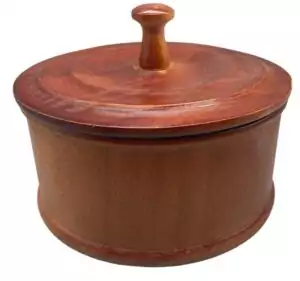
Quick Specs
- Type: Ceremonial Orisha crown
- Size/Quantity: One crown
- Best for: Obatala shrine work, devotional rites, Lucumi and Santeria practice
Obatala: The White King and Owner of Heads
Obatala is the eldest and most revered of the Orishas in the Lucumi-Yoruba tradition, venerated in Santeria, Candomble, and related African diaspora religions across the Caribbean and the Americas. Known as Orisha Nla in West African Yoruba practice and Obatala in the New World, he is the Orisha of purity, creation, clarity, and divine justice. The Yoruba say Olodumare assigned Obatala the task of sculpting human bodies, making him the architect of physical form and the eternal guardian of every person’s ori, or inner head.
His sacred color is pure white, his element is cool and still, and his domain encompasses peace, wisdom, and the defeat of confusion. Devotees call on Obatala when facing legal disputes, mental fog, difficult decisions, or situations that require impartiality and elevated perspective. He is described in the Lucumi liturgy as a king and a father, and his shrines are dressed in white cloth adorned with silver detail.
The Ceremonial Crown in Lucumi Shrine Practice
A crown is among Obatala’s implements, and it represents his kingship and his authority over all heads. In initiatory Lucumi practice, his implements reflect his cool, pure nature: white vessels, silver, and white beads mark his presence on the altar. This crown is a supply for houses that keep those implements.
If you are not initiated, please talk with your godparent or house before using this crown, since which implements belong to a person depends on their own initiations. White cloth, fresh water, white flowers, and a white candle are commonly kept with Obatala’s things. I stock this piece for practitioners of Santeria, and you can find related supplies in my Voodoo, Hoodoo and Santeria collection.
How to Use the Obatala Crown
A guide for setting up an Obatala devotional shrine and presenting offerings within the Lucumi tradition.
- Ask Your Godparent or House First
Before using this crown, talk with your godparent or house about which of Obatala’s implements belong in your practice.
- Keep It White and Clean
Obatala’s implements are white and silver. Keep the crown clean and store it wrapped in white cloth, off the floor.
- State your petition clearly
Open your petition by addressing Obatala as the owner of all heads and asking for clarity and peace. Keep petitions simple and direct. Close by thanking him and leaving the offerings for at least twenty-four hours.
The Tarot Fellow Standard
I stock this Obatala crown for practitioners working within Lucumi and Santeria traditions who want a purpose-built implement rather than a generic decorative piece. Santeria is a living tradition, and this crown is a supply for devotion, not a substitute for initiation or for the guidance of a godparent and house. You can explore my full altar supplies collection for additional tools to complete your Orisha shrine setup.
Frequently Asked Questions
Obatala is the Orisha of creation, purity, and divine wisdom in Santeria and Lucumi tradition. He is considered the father of many Orishas and the owner of all human heads, governing clarity, justice, and elevation.
The crown represents Obatala’s authority over all heads. It is one of the implements kept with him in initiated Lucumi houses.
Obatala’s sacred colors are pure white and silver. His shrines typically feature white cloth, white flowers, and white porcelain. Red and black items are avoided at his altar, as they conflict with his cool, pure energy.
Devotees offer cool water, coconut, soursop, cotton, cocoa butter, and white flowers to Obatala. He prefers calm, clean environments and is honored on Sundays. Avoid alcohol and blood offerings on his shrine.




Reviews
There are no reviews yet