

Quick Specs
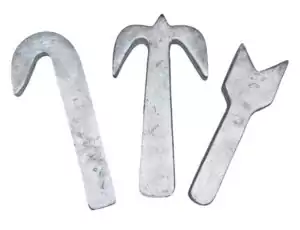
- Type: Ritual tool set for Babalu-Aye / San Lazaro
- Size: 9″
- Size/Quantity: Complete traditional implement set
- Best for: Santeria devotion, Lucumi initiatory practice, healing petitions, orisha altar work
Babalu-Aye: Orisha of Healing and the Earth
Babalu-Aye is one of the most widely venerated Orishas in the Cuban Lucumi tradition, syncretized with Saint Lazarus of the Catholic calendar, the leper saint depicted on crutches with sores and the dogs that lick his wounds. This syncretism took root during the centuries of the African diaspora in Cuba and became a defining feature of Santeria as it developed in the 19th and early 20th centuries. Babalu-Aye governs illness, epidemic disease, healing, and the earth itself, and his petitioners have historically included those suffering from skin conditions, infectious illness, and chronic pain.
His colors in Lucumi practice are traditionally purple and burlap-brown, sometimes combined with gold. His offerings include sesame seeds, dried corn, cigars, and the specific foods detailed in initiatory practice. His day is Saturday, and his number is seventeen. Devotion to Babalu-Aye in Cuba gave rise to the famous December 17th pilgrimage to the Santuario de San Lazaro in El Rincón, one of the largest religious pilgrimages in the Western Hemisphere, drawing hundreds of thousands of devotees annually.
The Implements Set and Its Use in Initiatory Practice
The tools of Babalu-Aye in initiatory Santeria include implements specific to his nature as lord of illness and the earth. Traditional sets include crutches representing his affliction, a gourd or vessel for his sacred medicines, and other implements that vary by lineage and house tradition (ile). These pieces are consecrated and placed on his dedicated altar space rather than on a general ancestor altar, as each Orisha maintains distinct spatial requirements within the initiatory household.
This set is suited to practitioners already working within an initiatory Lucumi framework who need the physical implements to complete an altar setup, or to devotees building a respectful home shrine to San Lazaro in the folk Catholic tradition. If you are new to Santeria and uncertain about the correct placement and feeding protocols, working with an initiated elder or godparent is the appropriate path before setting up an Orisha altar.
How to Use San Lazaro Tools in Devotional Practice
How to set up and maintain a devotional altar for San Lazaro using the traditional ritual tools.
- Establish the altar space
Designate a dedicated space for Babalu-Aye separate from other Orisha altars. Cover the surface with purple cloth or burlap. Place the implements according to your ile or initiatory lineage. Do not mix his tools with other Orishas.
- Make the initial offering and greeting
On a Saturday, his day, bring sesame seeds, a cigar, or dried corn as an offering. Greet Babalu-Aye aloud by name, state your petition clearly, and place the offerings before his implements. Light a purple candle beside the altar.
- Maintain the altar with regular attention
Return to the altar on Saturdays to refresh offerings and clean the space. Remove spent food offerings before they spoil. Keep the implements free of dust. Regular, respectful attention is the foundation of any Orisha altar practice.
The Tarot Fellow Standard
I stock Santeria ritual tools for practitioners who are building out real initiatory practice and need physical implements that reflect the tradition accurately. These are working altar pieces, not decorative items. Santeria is a living tradition, and this set is a supply for devotion, not a substitute for initiation or for the guidance of a godparent and house. Browse my Voodoo, Hoodoo, and Santeria collection for related ritual supplies, and find complementary candles in my candles and accessories section.
Frequently Asked Questions
Babalu-Aye is the Orisha of illness, healing, and the earth in Lucumi and Santeria tradition. Syncretized with Saint Lazarus, he governs petitions for sickness, skin disease, epidemic illness, and recovery. His day is Saturday.
San Lazaro is traditionally associated with purple and burlap-brown in Lucumi practice, sometimes combined with gold. His altar cloths and ritual items use these colors to identify his space and differentiate it from other Orishas.
Full initiatory protocols require working with a godparent and ile in an established lineage. Many practitioners maintain respectful devotional shrines to San Lazaro outside formal initiation, drawing on Cuban folk Catholic tradition.
Every December 17th, hundreds of thousands travel to the Santuario de San Lazaro in El Rincon, Cuba, to petition and give thanks for healing. It is one of the largest religious gatherings in the Western Hemisphere each year.



Reviews
There are no reviews yet