

Quick Specs
- Brand: AzureGreen
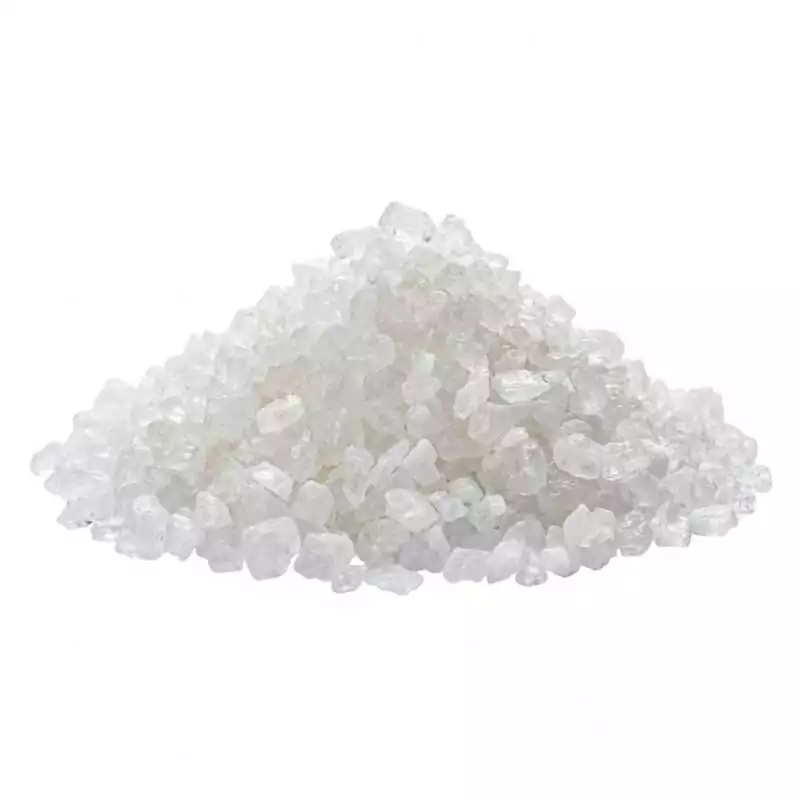
- Type: Coarse sea salt
- Size/Quantity: 4 oz
- Best for: Ritual circle casting, threshold protection, tool consecration, elemental altar work
Coarse Sea Salt for Ritual Circle Casting and Protection Work
Salt is one of the oldest ritual purifiers across nearly every major spiritual tradition. Ancient Hebrews used it to consecrate offerings, Shinto priests scatter it to purify sacred ground, and Catholic practice preserved it in holy water formulas for centuries. In Western occultism, sea salt carries a dual elemental correspondence that other specialty salts lack: it belongs to both Earth and Water, formed where ocean tides evaporate over coastal flats and mineral beds. This elemental duality makes it particularly useful in altar layouts that call for both earth and water representation without using two separate tools.
The coarse grain is the right texture for circle work. Fine table salt dissolves and disperses too easily when walked through or disturbed, while coarse crystals hold their line and remain visible on flooring, carpet, or outdoor ground. Practitioners who cast protective circles before ritual appreciate the visual clarity of coarse grain, which makes it easier to verify the circle’s completeness before beginning work. In folk magic, salt at the threshold is one of the most basic forms of house protection, poured in a line across doorways or in the corners of rooms to mark a boundary that negative influences cannot cross.
Elemental Altar Use and the Ocean Connection
Sea salt’s connection to the ocean brings specific deity associations into ritual work. Practitioners who honor ocean deities often use sea salt as a material link to the ocean’s purifying tides, where everything washed to shore is transformed and renewed. Placing coarse sea salt in a small dish on the western point of an altar honors the water element, while placing it at the northern point honors earth. Both placements are common in modern ceremonial and eclectic practice.
Sea salt is also the standard material for consecrating ritual tools. Laying a wand, athame, or set of crystals on a bed of coarse salt overnight is one of the simplest and most documented methods of clearing and setting an object before it enters use. The 4 oz quantity is a practical working amount: enough to fully cover the base of a bowl for tool consecration, cast a thorough threshold line, or stock your ritual salt supply for several months of regular practice. It’s distinct from Himalayan pink salt, black salt, or mineral salts in both its elemental correspondence and its ocean-sourced purification quality. You’ll find it alongside other materials in my ritual salts collection.
How to Use Coarse Sea Salt
Three foundational uses for coarse sea salt in ritual and protection practice.
- Cast a Protective Circle
Starting at north, pour a thin unbroken line of coarse sea salt clockwise around your working space. When the ritual ends, sweep the salt counterclockwise and dispose of it outside, carrying away what it absorbed.
- Consecrate Altar Tools
Fill a small dish with coarse sea salt deep enough to rest the tool on. Lay the item on the salt bed overnight. Remove it the following morning, brush off any clinging crystals, and the tool is ready for ritual use.
- Protect a Threshold or Doorway
Pour a thin line of coarse sea salt across the full width of an exterior doorway. Focus your intention on protection. Refresh the line after heavy foot traffic or rain; a broken line should not remain unrepaired long.
The Tarot Fellow Standard
Salt is the one thing every working practitioner goes through faster than expected. I carry this coarse sea salt because the grain size actually matters for circle casting and tool consecration, and because its dual earth-water elemental correspondence makes it genuinely versatile in ways that fine table salt or highly specialized mineral salts aren’t. The 4 oz size is intentional, a usable working amount rather than a decorative jar. If you’re setting up a complete protective practice, you’ll find it pairs well with the candles and ritual tools throughout my ritual supplies collection.
Frequently Asked Questions
Coarse sea salt is used for casting protective circles, consecrating tools, protecting doorway thresholds, and representing both earth and water on an altar. Its grain size holds a circle line better than fine salt.
Sea salt carries dual earth-and-water correspondence from its ocean origin. Himalayan salt is earth-only in most traditions. Practitioners who honor ocean deities prefer sea salt for its tidal purification quality.
Place the tool or crystal on a bed of coarse sea salt in a small dish and leave it overnight. The salt draws residual impressions from the object. Remove the item next morning, brush off clinging crystals, and it is cleared.
Yes. A line of coarse sea salt across exterior doorways is a common protective practice in folk magic. Salt in room corners is another common method. Refresh the salt regularly for ongoing protection.


Reviews
There are no reviews yet