

Quick Specs
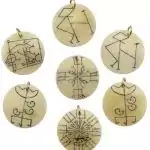
- Type: Carved bone charm set
- Size: 1.25″
- Size/Quantity: Set of 23 various carved bone amulets
- Best for: Vajrayana altar, impermanence meditation, shadow work, Himalayan ritual collection
Tibetan Bone Carving: Impermanence, Fearlessness, and Vajrayana Tradition
Carved bone objects hold a specific and well-documented function in Tibetan Vajrayana Buddhist and Bon ritual traditions. The kapalika or skull tradition within Vajrayana uses bone ornaments, including thighbone trumpets called kangling and skull cups called kapala, as instruments and vessels in tantric practice. The underlying teaching is that confronting symbols of death and impermanence directly, rather than avoiding them, generates the fearlessness that is a prerequisite for advanced practice. Bone ornaments worn by tantric practitioners signify mastery of this confrontation.
The Bon tradition, Tibet’s indigenous spiritual system predating the introduction of Buddhism, also incorporates bone and skull symbolism in its ritual practice, reflecting a broader Himalayan understanding that death and transformation are sacred rather than taboo. This carved bone charm set, including twenty-three pieces in various traditional Tibetan forms, draws from this layered symbolic vocabulary. The variety within the set mirrors the diversity of Tibetan ritual iconography, where different symbolic shapes carry distinct teachings and functions.
Altar Use, Shadow Work, and Contemplative Practice
Outside of specifically Vajrayana practice, bone and skull altar pieces have found a home in Western occultism, shadow work practice, and Day of the Dead traditions influenced by Mexican folk Catholicism. The common thread is the deliberate engagement with mortality as a spiritual discipline. Using these charms on an altar dedicated to ancestor work, impermanence meditation, or shadow integration brings the Tibetan symbolic tradition into dialogue with Western approaches to death-positive spirituality. Browse my full amulets and talismans collection for additional pieces suited to this type of practice.
The set of twenty-three charms offers enough variety to build a complete altar arrangement with thematic groupings. Skull pieces can anchor the impermanence teaching, vajra-form charms can represent indestructible clarity, and more abstract shapes can serve as offering objects or divination aids in Tibetan-style practice. The carved bone material develops a subtle patina with handling that many practitioners find adds to the objects’ ritual presence over time.
How to Use Tibetan Bone Charms Set of 23
Three steps for integrating this set into Vajrayana-inspired altar and contemplative practice.
- Inventory and Identify Each Charm
Lay the twenty-three charms on a clean cloth and examine each piece individually. Identify the symbols, noting skulls, vajras, and other Vajrayana motifs. Familiarizing yourself with the set before use deepens engagement with each charm.
- Select Pieces for Specific Purposes
Select individual charms for specific purposes: skull pieces for impermanence meditation and shadow work, vajra forms for clarity and indestructibility, and abstract symbolic shapes for altar decoration and offering arrangements.
- Arrange on Altar and Rotate Seasonally
For altar display, arrange the charms in a bowl or on a small cloth, grouped by symbolism. Replace or rotate them at Tibetan Buddhist holy days or dark moon periods to keep the altar arrangement current and intentionally maintained.
The Tarot Fellow Standard
I stock this set because carved Tibetan bone charms in a curated collection are genuinely hard to source, and practitioners building Vajrayana-inspired altars deserve access to authentic symbolic pieces. The twenty-three-piece variety gives real flexibility for altar design and rotation. These are not decorative trinkets but objects with a documented ritual function in living traditions. Practitioners interested in Himalayan spiritual tools and death-positive altar practice can find additional supporting pieces in my ritual supplies collection.
Frequently Asked Questions
Bone carving has deep roots in Tibetan Vajrayana and Bon traditions, where skull and bone objects serve as memento mori, reminders of impermanence, and tools for tantric practice. They are not morbid but carry a teaching function.
These carved bone charms include traditional Tibetan forms such as skulls, vajras, and abstract ritual symbols. The variety within the set of twenty-three allows practitioners to select pieces suited to specific meditations and altar arrangements.
Bone charms in Tibetan practice are associated with fearlessness, impermanence, and the wrathful aspect of wisdom. They appear on ritual implements, as altar offerings, and as personal talismans in both Vajrayana and Bon traditions.
It suits practitioners of Vajrayana Buddhism, Bon tradition, those interested in Himalayan spiritual culture, or anyone building a skull-and-bone altar for shadow work or contemplative practice on the nature of impermanence and transition.


Reviews
There are no reviews yet