

Quick Specs
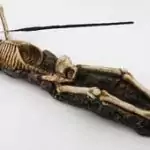
- Type: Skeleton figure incense stick holder
- Material: Resin / Cold-cast resin
- Best for: Day of the Dead altars, Samhain setups, gothic incense display
Skeleton Iconography in Day of the Dead and Samhain Practice
The skeleton is one of the most cross-cultural ritual symbols in existence. In Mexican folk Catholic tradition, Dia de los Muertos altars are built every November 1 and 2 to welcome the spirits of the dead back for a visit, and the aesthetic of that tradition, calaveras, marigolds, candles, incense, and offerings, has become globally recognized. Samhain on October 31 is a seasonal observance of the end of the harvest and a thinning of the veil between the living and the dead, which makes skull and skeleton imagery fitting altar decor. This skeleton incense holder functions in both contexts as a purposeful ritual tool, not merely a novelty.
Incense has a specific role in both observances. On a Dia de los Muertos altar, copal resin has been burned since pre-Columbian Mesoamerican ceremony as an offering to guide spirits and communicate with the dead. At Samhain, the combination of incense smoke and fire serves to mark the liminal quality of the season, with smoke representing the boundary between worlds. A skeleton holding an incense stick collapses the symbol and the tool into a single object, creating an altar piece with more ritual density than a plain holder. Browse my stick incense collection to find copal, frankincense, myrrh, and other traditional varieties suited to ancestor and seasonal altar work.
A Conversation Piece That Earns Its Place Year-Round
Novelty incense holders can feel cheap or gimmicky, but the skeleton format is one that ages into an altar rather than clashing with it. Death as a concept isn’t confined to October: ancestor work, communicating with guides, marking transitions, and honoring loss are year-round practices in many cultures and faiths. A skeleton incense holder on a permanent ancestor altar reads as intentional rather than seasonal. It’s also a conversation piece that tends to prompt genuine discussion of how different cultures relate to death and remembrance, which can be a meaningful entry point for guests new to the space.
The resin construction captures more detail than painted wood or ceramic alternatives. Look for the grip or channel where the incense stick seats into the figure: this is the structural point that determines how the stick angles and where ash falls. A well-designed skeleton holder keeps the stick angled so ash falls cleanly away from the figure’s body, making cleanup straightforward after each burn session.
How to Use a Skeleton Incense Holder
How to use and care for a resin skeleton incense holder for Day of the Dead, Samhain, and ancestor altar work.
- Position the Holder
Place the skeleton holder on a flat, stable surface away from flammable materials before inserting your incense stick. The figure holds the stick at an angle where ash falls away from the base, keeping your altar surface clean throughout each burn.
- Insert and Light
Insert a standard incense stick into the grip point on the figure, typically a hand or channel in the design, and light the tip. The skeleton holds the stick while it burns, releasing smoke at altar height where it distributes naturally in space.
- Clean and Store
After each burn, tap the holder gently over a bin to clear ash. The resin construction is durable but not waterproof, so wipe with a dry cloth rather than rinsing. Store on the altar or in a padded box to prevent chipping of fine detail on it.
The Tarot Fellow Standard
I stock this skeleton holder because it solves the problem of altar decor that looks deliberate without being expensive or fragile. The skeleton motif works for Day of the Dead altars, Samhain setups, ancestor shrines, and gothic aesthetics year-round. It’s the kind of piece that gets noticed, prompts conversation, and stays on the altar long after the initial seasonal impulse that brought it there. For other holders and trays that suit ancestor and seasonal altars, browse my stick incense burners.
Frequently Asked Questions
The skull motif appears in Dia de los Muertos in Mexican folk Catholic tradition and at Samhain. Both observances honor the dead and the thinning veil between worlds, making the skeleton a fitting incense altar holder.
This holder is for standard-diameter stick incense. Very thick or jumbo sticks may not fit the grip point. Incense cones need a separate cone burner. Backflow cones need a dedicated backflow burner with a chamber designed for smoke to pool downward.
Resin figurines are durable for indoor display and standard altar use but not heatproof. As long as the stick is held by the figure rather than resting against the body, heat transfer is not a concern during normal stick incense burning on an altar.
Day of the Dead altars include marigolds, photos of the deceased, candles, and incense. A skeleton holder fits as a functional altar piece rather than purely decorative. Copal or marigold-scented incense are traditional pairings for these altars.
Reviews
There are no reviews yet