

Quick Specs
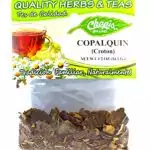
- Herb: Copalquin (Hintonia latiflora) bark
- Form: Dried bark pieces for tea (decoction)
- Weight: 1/2 oz bag
- Origin region: Mexico
A Bitter Bark with Deep Roots
Copalquin is the dried bark of Hintonia latiflora, a tree native to the Mexican wilderness, particularly the Pacific coastal ranges of Sonora and Baja California and extending into the Sierra Madre. It goes by many regional names: copalchi, copalche, palo amargo, quina amarilla. The “bitter bark” name isn’t marketing. This tea is bracingly bitter, a clear sign you’re working with a bark decoction and not a flavored herbal blend.
In the tradition of curanderismo, the Mexican folk healing practice with roots stretching back to pre-Columbian Mesoamerica, copalquin bark has been brewed as a decoction for generations. A curandero or herbalist would simmer the bark in water, not steep it like a delicate floral tea. The long, slow heat is what draws out the bitter glycosides and polyphenolic compounds that define its character. I stock it because it represents a living tradition of botanical knowledge that deserves a place in any serious herb collection.
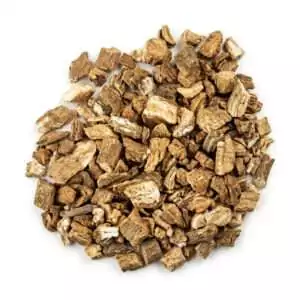
Note that copalquin is a bark tea, not a leaf or flower infusion. It’s also not the same as copal, the tree resin used in incense. Different plant, different preparation, different purpose entirely. The bark comes to you in small dried pieces, ready to simmer. This 1/2 oz bag gives you enough for several preparations.
How to Prepare Copalquin Tea
How to prepare a traditional copalquin bark decoction from dried bark pieces.
- Simmer the bark
Bring 2 cups of water to a boil, then add a small handful of copalquin bark from the bag. Reduce to a low simmer and let the bark steep for 15 to 20 minutes. The tea will turn a deep amber and taste quite bitter.
- Strain and pour
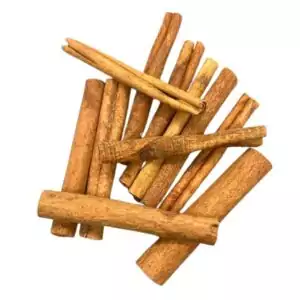
Remove the bark pieces and pour the tea into a mug. Copalquin is traditionally consumed plain, without sweetener, though a thin slice of fresh ginger or a small cinnamon stick can soften the bitterness if you prefer.
- Sip and settle
Sip slowly and without distraction. This is a contemplative tea rooted in Mexican folk tradition, not a quick brew. Start with a half cup to gauge how your body responds before finishing a full serving.
The Tarot Fellow Standard
I carry this bark because its quality has been consistent across every batch I’ve ordered. The bark is clean, dried properly, and packaged without filler herbs or cutting agents. With a plant like copalquin, where the whole point is the bark’s natural compounds, quality of the raw material is the entire product. I’ve seen cheaper versions that are clearly mixed with stems and debris. These aren’t.
One practical note: copalquin bark pieces are hard and woody. Don’t try to grind or crush them without a dedicated mortar and pestle. For most people, simmering the bark as-is works perfectly and you can reuse each batch of pieces once before retiring them. Store the unused bag in a cool, dark spot to preserve the bark’s potency over time.
If you’re building out a broader herbal practice, this pairs well with other traditional Mexican herbs. Browse my herbal teas collection or explore my full herb packets for more traditional botanicals.
Copalquin Tea FAQ
Copalquin is the dried bark of Hintonia latiflora, a tree native to the Mexican wilderness. It has a long history in curanderismo, the Mexican folk healing tradition, and is prepared as a decoction rather than a light herbal steep.
The taste is intensely bitter. That bitterness is not a sign of a problem but a characteristic of the bark itself. Traditional use calls for the tea plain, though a small piece of cinnamon or ginger can take the edge off for newcomers.
The bag holds 1/2 oz of dried copalquin bark pieces. That is a small but sufficient amount for several preparations. Bark goes a long way when simmered, and you can reuse the same pieces once before retiring them.
I stock this alongside my other traditional Mexican herbs because it belongs in that lineage. If you are building a home practice rooted in curanderismo or Mesoamerican folk herbalism, copalquin is a foundational item to know.
Reviews
There are no reviews yet