

Quick Specs
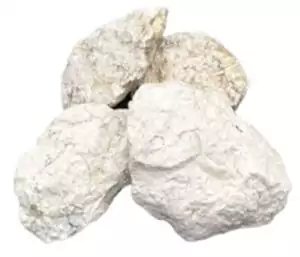
- Stone: Agni Manitite (pseudo-tektite), raw/rough
- Quantity: 1 lb bulk lot
- Origin: Java, Indonesia
- Best for: Solar plexus activation, manifestation, willpower, fire element work
Agni Manitite: The Pearl of Divine Fire
Agni Manitite is one of the rarest stones in active metaphysical commerce, a pseudo-tektite found exclusively on the island of Java in the Indonesian archipelago. Its name derives from Sanskrit: “agni” meaning fire, and “mani” meaning pearl or jewel, giving the full translation “pearl of divine fire.” The stone is named after Agni, the Vedic fire deity and one of the most important figures in Hindu cosmology, understood as the link between the terrestrial and celestial realms and the divine force present in all combustion, from hearth fires to lightning. The connection between stone, name, and the god of fire reflects the material’s formation history.
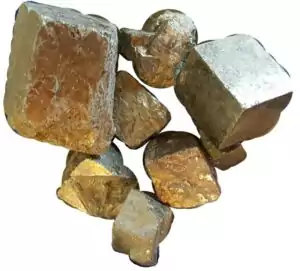
Agni Manitite formed when a meteorite or volcanic event of sufficient intensity heated the surface materials of the Indonesian archipelago to the point of liquefaction, ejecting the molten material into the atmosphere where it cooled into glassy, pitted stones. This formation process is similar to recognized tektites like moldavite, though Agni Manitite is classified as a pseudo-tektite by some researchers. The material is a natural glass formed under extreme heat, dark charcoal grey to black in color, with the pitted surface typical of tektite-class stones. The rarity is genuine: most of the world’s supply lies underwater off the coasts of Java, making land-sourced pieces uncommon. Browse my full raw stone selection for other high-energy specimens.
Metaphysical Tradition and Solar Plexus Work
Practitioners working with Agni Manitite consistently report a strong connection to the Solar Plexus chakra, the energy center associated with personal will, self-confidence, and the capacity to act toward one’s goals. Unlike many solar plexus stones that carry gentle warming energy, Agni Manitite’s association with extreme fire and the Sanskrit fire god Agni gives it a more intense, activating quality. Crystal workers often pair it with grounding stones like obsidian or shungite to balance the activating quality with stability. It has been used in workings for manifestation, leadership, creative breakthrough, and the release of self-limiting patterns.
Raw pieces in a 1 lb lot will vary in size, surface texture, and translucency. The characteristic dark grey-black coloration may range from nearly opaque to slightly translucent in thin sections. The pitted surface is natural and authentic. This is not a commonly faked stone in the same way moldavite is, but some vendors sell dark obsidian under this name. Genuine Agni Manitite has a specific pitted morphology and a slightly lighter, more translucent character than volcanic obsidian.
How to Use Raw Agni Manitite
Three approaches for working with this rare Indonesian fire tektite.
- Solar Plexus Activation
Lie down and place a piece of agni manitite on your solar plexus, just above the navel. Breathe deeply and visualize heat expanding from that center. Practitioners use this for engaging personal will and clarifying direction.
- Fire Element Altar Work
Place raw agni manitite pieces around a red or orange candle when working with Agni or fire-element invocations. The Sanskrit name connects to Agni as deity. State your manifestation intention clearly before lighting the candle.
- Pairing for Grounded Activation
Combine agni manitite with black tourmaline or shungite to balance its fire energy with grounding. Hold agni manitite in the dominant hand and the grounding stone in the receiving hand. Recommended for practitioners sensitive to high vibrations.
The Tarot Fellow Standard
I stock agni manitite because it is genuinely rare and genuinely unusual. Most solar plexus stones are common, well-distributed, and easy to source. This one is not. The combination of genuine scarcity, authentic fire-deity etymology, and a formation history involving extreme geological heat gives it a quality that practitioners interested in fire work, manifestation, and will-activation find difficult to replace with common alternatives. I carry it in raw form specifically because raw pieces retain the pitted surface morphology that distinguishes genuine material from dark obsidian substitutes. For fire element companions, browse my ritual candles.
Frequently Asked Questions
Agni manitite is a rare pseudo-tektite found exclusively on the island of Java in Indonesia. It forms as a natural glass under extreme volcanic or impact heat. Its Sanskrit name means pearl of divine fire, named after Agni, the Hindu fire deity.
Both are dark volcanic glasses, but agni manitite has a distinct pitted surface morphology from rapid atmospheric cooling. Genuine material is slightly lighter in weight and more translucent in thin sections than standard volcanic obsidian.
Agni manitite is primarily associated with the Solar Plexus chakra. It is used for activating personal will, building confidence, supporting manifestation, and fire element work. Some practitioners also note a secondary Sacral chakra connection.
Dark obsidian is sometimes sold under the agni manitite name. Authentic pieces have a pitted surface from the cooling process, lighter weight than obsidian, and slight translucency in thin sections. Sourcing from accurate labeling matters.

Reviews
There are no reviews yet