

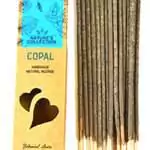
Quick Specs
- Brand: Sonavi
- Scent: Copal resin
- Weight: 25g
- Best for: Ancestor work, Dia de los Muertos altars, space clearing, ceremonial ritual
Copal: The Resin That Fed the Gods
Copal gets its name from the Nahuatl word copalli, meaning burned aromatics. It is a gummy tree resin that has been central to Mesoamerican ceremonial life for roughly two thousand years, burned in temples, used to sustain deities, carried on trade routes, and passed down through generations of indigenous families as both a practical and sacred material. In the Aztec cosmology, copal served as the literal food of the gods, paralleling the role of maize as food for humans. Ceremonial burning of copal at the Templo Mayor in Tenochtitlan was not incidental decoration but a required daily act understood as necessary for cosmic continuity.
The connection between copal and ancestor work is especially direct. On Dia de los Muertos, copal burns on ofrendas as one of the essential elements, understood to guide the spirits of the dead back to their families. Its strong, resinous smoke carries prayers upward and serves as a bridge between the living and those who have passed. That function, copal as a medium between worlds, as olfactory signal to ancestors, is the living tradition still practiced in Mexican and Guatemalan families today, taught generation to generation primarily by mothers and grandmothers.
What Copal Smells Like
Copal’s scent is resinous and bright, cleaner and more citrus-edged than frankincense, with a sharp, almost piney opening that mellows as the stick burns. It is often described as the frankincense of the Americas for holding a similar cultural and religious significance, though the actual aroma is distinct: lighter, with less of frankincense’s deep warm base. These incense sticks by Sonavi render that resin scent in a convenient stick format, making them accessible for everyday use without needing a charcoal burner and raw resin. The 25g package gives you a meaningful quantity for regular ritual use.
How to Use Copal Incense Sticks
Copal incense sticks are straightforward to use and effective for both altar work and space clearing.
- Prepare Your Space and Holder
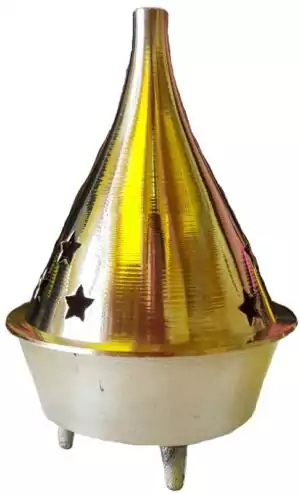
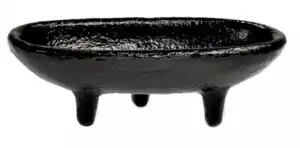
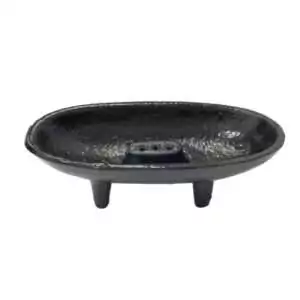
Place a stick incense holder on a heat-safe surface in a well-ventilated space. Copal produces a visible, aromatic smoke that can accumulate in closed rooms. A window cracked slightly or a nearby low-speed fan keeps air moving during your ritual.
- Light the Tip and Settle the Flame
Hold the tip of the stick to a flame until it catches, then gently blow out the flame to leave a glowing ember. If the ember goes out, relight and try again. A properly lit copal stick produces a thin, steady column of fragrant white smoke.
- Use It for Altar Work or Space Clearing
For Dia de los Muertos ofrendas, place a lit copal stick at the base of the altar. For space clearing, walk the burning stick through each room clockwise, paying attention to corners. State your intention aloud or silently as the smoke spreads.
The Tarot Fellow Standard
I stock Sonavi copal because it is one of the few incense brands that takes copal seriously as a distinct scent rather than blending it into something generic. Copal has a specific ceremonial history and a specific scent character, and it deserves to be treated as its own category rather than a footnote next to frankincense. For practitioners doing ancestor work, building Dia de los Muertos altars, or wanting a Mesoamerican ceremonial scent with genuine historical roots, this is the right choice. Browse my incense collection for complementary options to complete your altar.
Frequently Asked Questions
- What does copal incense smell like?
- Copal has a bright, resinous scent that is cleaner and lighter than frankincense, with a citrus-edged and slightly piney opening that mellows as it burns. It is often called the frankincense of the Americas, though the aroma is distinctly sharper.
- What is copal used for in Dia de los Muertos?
- Copal is burned on Dia de los Muertos ofrendas as one of the essential altar elements. In Mesoamerican tradition, copal smoke is understood to guide the spirits of the dead back to their families and to carry prayers into the spirit realm.
- How long do Sonavi copal incense sticks burn?
- Each stick burns for approximately 20 to 30 minutes depending on air circulation. The 25g package contains enough sticks for regular ritual use over several weeks. Burn in a well-ventilated space using a proper holder on a fireproof surface.
- Is copal incense different from frankincense?
- Yes. Frankincense comes from the Boswellia tree, primarily from the Arabian Peninsula and East Africa. Copal comes from Bursera and related trees in Mesoamerica. Though both are ceremonial resins, they come from different regions and traditions.

Reviews
There are no reviews yet