

Quick Specs
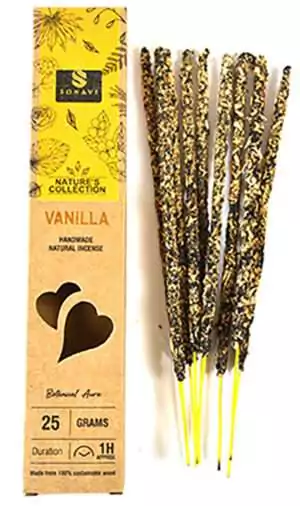
- Brand: Sonavi
- Scent: Sandalwood
- Weight: 25g
- Best for: Meditation, puja, yoga practice, daily spiritual ritual
Four Thousand Years of Sacred Wood
Sandalwood has been integral to South Asian spiritual practice for over four thousand years. In Hinduism, sandalwood paste is applied to the foreheads of devotees and to the images of deities as a mark of purity and reverence. The wood and its oil are woven into daily puja, weddings, funerals, and the full calendar of Hindu ritual observance. In Buddhism, sandalwood incense is burned during ceremonies as a symbol of the presence of the Buddha and an aid to the calm, clear mental state required for effective meditation practice. Jain traditions also use sandalwood as a sacred offering, linking it to the highest spiritual qualities across multiple South Asian lineages.
What distinguishes sandalwood from most other incense scents is its effect on the nervous system. The primary aromatic compound, alpha-santalol, has been studied for its influence on the brain’s limbic system, the area governing emotions and memory, and for its role in reducing cortisol levels associated with stress. This is not just cultural association: the warm, woody, slightly sweet scent of sandalwood has a measurable grounding and calming effect that makes it a practical choice for creating the kind of mental environment that supports meditation, focused prayer, or any contemplative practice that benefits from a quieter nervous system.
Sandalwood in Meditation and Daily Practice
For meditation practitioners, the scent of sandalwood functions as both an olfactory cue and an environmental anchor. Burning the same incense at the start of each session builds a conditioned association over time: the moment the scent enters the air, the mind has a reference point for what comes next. This is why sandalwood has remained the most commonly recommended incense for meditation in Vedic and Buddhist traditions alike, not because of any single property but because its consistent, non-distracting character makes it useful session after session. The Sonavi 25g package gives you a practical quantity for daily practice.
How to Use Sandalwood Incense Sticks
Sandalwood incense integrates naturally into meditation, puja, and daily contemplative practice.
- Establish a Consistent Pre-Meditation Ritual
Light the sandalwood stick two to three minutes before beginning meditation rather than at the moment you sit down. This allows the scent to fill the space first. Over time, that pre-session lighting becomes a signal that prepares the mind to shift.
- Place the Holder Thoughtfully
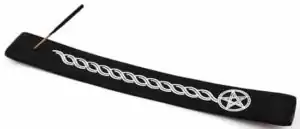
Position the incense holder at the edge of your meditation space rather than directly in front of you. Smoke rising into your breathing path can irritate airways. A holder on a side table lets the scent diffuse gently through the room instead.
- Use for Puja and Devotional Practice
In Hindu puja tradition, sandalwood incense is offered alongside flowers, water, and light. Pass the burning stick in small clockwise circles before an image or altar as part of your devotional gesture. Let the smoke carry your prayers upward.
The Tarot Fellow Standard
I stock Sonavi sandalwood because sandalwood is the category standard for meditation incense and having a reliable, consistently scented version on hand matters for practitioners who use it regularly. Sandalwood is one of those scents where quality variation is immediately noticeable. Sonavi’s 25g stick format makes it easy to work into a daily practice without waste or fuss. Visit my incense collection to compare other scents that support meditation and ritual work.
Frequently Asked Questions
- What does sandalwood incense smell like?
- Sandalwood has a warm, woody, and slightly sweet scent with a creamy, smooth quality that deepens as it burns. It is grounding rather than sharp and lingers gently in a space after the stick finishes. Most people find it calming and pleasant.
- Is sandalwood incense good for meditation?
- Yes. Sandalwood’s warm, grounding scent is valued across Vedic and Buddhist traditions for calming the nervous system. Its primary compound, alpha-santalol, supports the relaxed, focused mental state that consistent meditation practice requires.
- How is sandalwood different from copal incense?
- Sandalwood comes from the heartwood of Santalum trees in South Asia, with a warm, woody, creamy scent rooted in Vedic and Buddhist traditions. Copal is a resin from Mesoamerica with a brighter, sharper scent rooted in Aztec and Mayan ceremony.
- How many sticks are in a 25g package of Sonavi sandalwood incense?
- A 25g package of incense sticks typically contains approximately 20 to 25 sticks depending on thickness. Each stick burns roughly 20 to 30 minutes. This gives several weeks of daily single-stick use, making the 25g size practical for daily practice.

Reviews
There are no reviews yet