
Quick Specs
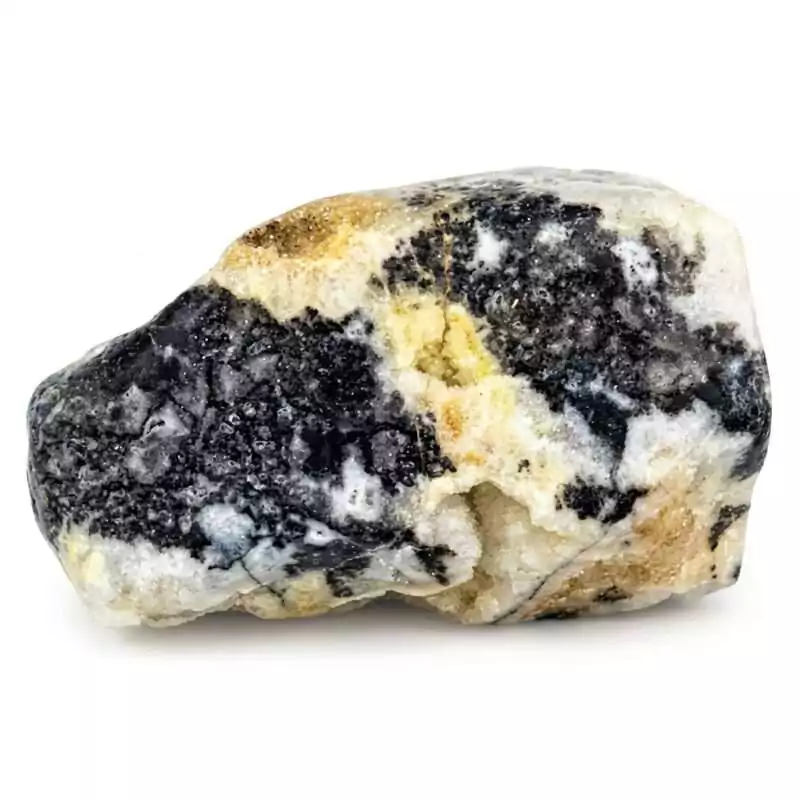
- Type: Free-form mineral specimen, Dendritic Agate with Druzy Quartz surface
- Size/Quantity: 3.0-3.9 lb individual piece
- Best for: Nature magic, abundance work, altar centerpiece, advanced collector display
Dendritic Agate Druse: Nature’s Own Pattern Magic
Dendritic agate is a form of chalcedony containing iron or manganese oxide inclusions that branch through the stone in fern, moss, and tree-like formations. The word dendritic comes from the Greek dendron, meaning tree, and the patterns are formed by the slow diffusion of metallic oxides through microscopic channels in the silica matrix over millions of years. The result looks unmistakably botanical, which is why this stone is a favorite for nature-themed altars and crystal practice.
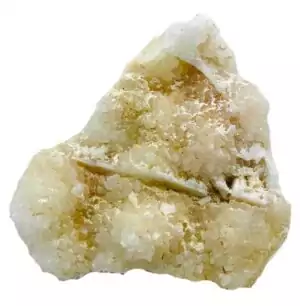
The druzy quartz surface adds a second geological event to the specimen: after the agate formed, crystalline quartz grew across portions of the surface in a fine sparkling crust. This combination, dark branch-like inclusions visible through the agate, meeting a glittering quartz edge, produces the visual drama that makes collector-grade specimens valuable. No two pieces are alike because the dendritic patterning is entirely determined by the original mineral diffusion pathway.
Ritual and Magical Applications in Earth Traditions
In crystal practice, agate is associated with abundance, steady growth, and long-term manifestation, favored because it represents slow and certain natural processes rather than quick fixes. Dendritic agate specifically is used in prosperity work where the goal is organic growth rather than sudden wealth, such as building a business, establishing a garden, or growing a spiritual practice over time. It also suits nature altars representing the element of earth and the growing season, placed alongside fresh herbs and seeds in spring.
At 3.0 to 3.9 pounds, this is a centerpiece-scale specimen. Most practitioners at this size treat it as an anchor piece rather than a working stone to pick up and hold, placing it at the center of a crystal grid or at the altar’s focal point during seasonal observances. The druzy surface catches candlelight well, making it particularly effective as a visual focal point during meditative or trance work.
How to Use Dendritic Agate Druse in Earth Magic
Three ways to work with this dendritic agate druse specimen in nature magic and abundance practice.
- Establish as an earth anchor
Place the specimen at the center or northern position of the altar to represent earth and deep-rooted growth. Spend time with the dendritic patterns before working, letting the tree-like forms settle in the imagination before ritual begins.
- Use in abundance crystal grids
Set the druse piece at the center of a crystal grid for prosperity work, surrounding it with citrine, green aventurine, and pyrite at the cardinal points. The dendritic patterning reinforces the intention of organic, branching growth.
- Cleanse and maintain the druzy surface
Dust gently with a soft dry brush to keep the druzy quartz surface clear. Avoid submerging in water, as extended soaks can affect the bond between the druse layer and the agate base. Moonlight and dry selenite work well for energetic reset.
The Tarot Fellow Standard
I carry pieces in this weight class for practitioners who want a genuine collector-quality specimen with real ritual utility, not just a decorative rock. The dendritic-plus-druzy combination at this size is genuinely hard to source with consistent quality. Browse my crystal and mineral specimens for comparable collector-grade pieces, and visit my full crystals and gemstones collection for everything else you might need to build out the altar.
Frequently Asked Questions
The branching patterns form when iron or manganese oxide minerals diffuse through microscopic channels in chalcedony as it hardens. The process mimics fractal branching seen in plants, which is why the patterns appear so convincingly botanical.
They are related but distinct. Moss agate contains green hornblende inclusions that look like moss. Dendritic agate has darker iron or manganese oxide inclusions that produce the distinctive tree and fern branch patterns in the chalcedony.
Druzy refers to a crust of tiny quartz crystals that formed across part of the stone’s surface after the agate base solidified. The microcrystalline surface sparkles in light and represents a second geological event from the agate formation.
In crystal practice, agate is treated as a slow-growth prosperity stone. Dendritic agate is connected specifically to earth-element work, nature themes, and the seasonal cycle of planting and harvest.



Reviews
There are no reviews yet