
Quick Specs
- Type: Alexandrite crystal ball, reconstituted with clear quartz and glass
- Size/Quantity: 1 3/4 inch (approximately 1 3/4 inches) diameter
- Best for: Scrying, meditation focal point, transformation workings, altar display
1 3/4 inch Alexandrite Crystal Ball: Color Change, Scrying, and Transformation
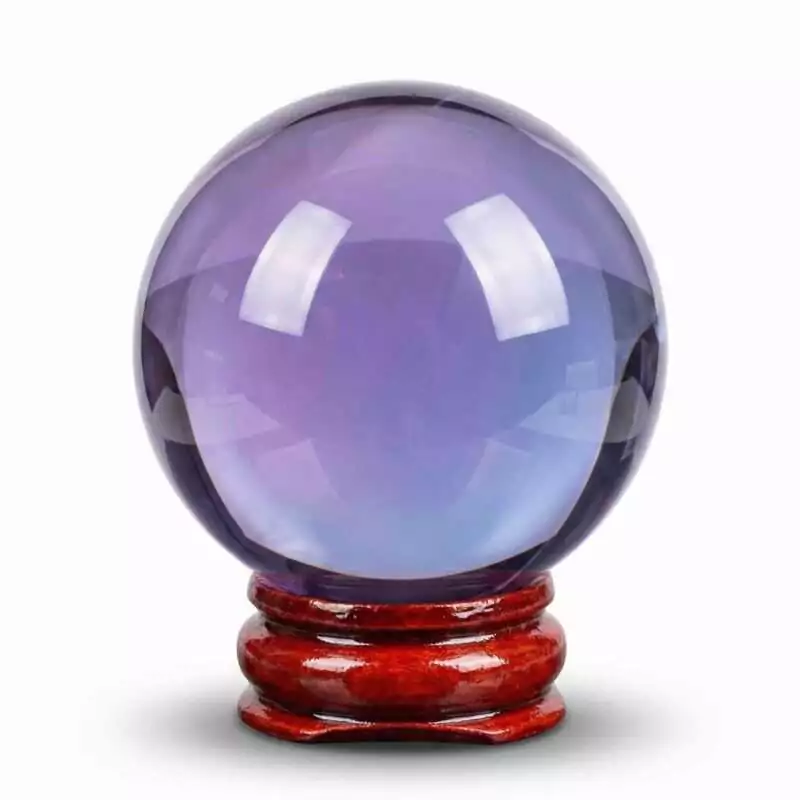
This 1 3/4 inch alexandrite crystal ball is built around one of the most visually distinctive properties in the mineral world: the alexandrite color-change effect. In natural daylight, the sphere reads as a rich purple to violet. Under incandescent or warm artificial light, it shifts toward reddish-purple tones. This optical phenomenon, known formally as the alexandrite effect or strong pleochroism, results from the material’s simultaneous absorption of green and red wavelengths, creating a color response that changes with the spectral content of the light source.
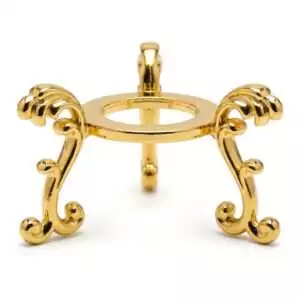
The sphere is crafted from a fusion of clear quartz crystal, glass, and alexandrite material. This composite construction produces a flawless, inclusion-free surface ideal for scrying work, where clarity of the sphere’s interior is more practically useful than natural mineral inclusions. The 1 3/4 inch diameter, approximately two inches across, sits comfortably in the palm of one hand during meditative scrying or can be placed upright on a stand for altar display. Stand is not included. Browse my crystal ball stands to find a fitting base for this size.
Alexandrite History, Metaphysical Tradition, and Practical Scrying Use
Natural alexandrite is a variety of chrysoberyl (beryllium aluminum oxide) first discovered in Russia’s Ural Mountains around 1830 and named for Tsar Alexander II. Russian imperial lore held that its green-to-red color shift mirrored the imperial colors of the Russian flag, making it an emblem of good fortune and protection for soldiers. In the 19th-century gem trade, the nickname “emerald by day, ruby by night” reflected the stone’s dual nature across light conditions. This historical duality, the idea that the same object could appear fundamentally different depending on perspective and context, has made alexandrite a natural symbol for transformation work in contemporary crystal healing and metaphysical practice.
In metaphysical frameworks, alexandrite is associated with the heart and crown chakras, bridging emotional responsiveness with higher spiritual awareness. Practitioners use it as a scrying sphere because the color shift draws the eye inward and disrupts ordinary linear focus, which supports the soft-gaze technique required for effective crystal gazing. It is also used in transformation rituals, particularly those addressing duality, adaptability, or transitions between life phases where holding two truths simultaneously is part of the working. Pairing this sphere with candle scrying amplifies the visible color shift because candlelight falls squarely in the incandescent spectrum.
How to Use the 1 3/4 inch Alexandrite Crystal Ball
Three practical steps for using and caring for your 1 3/4 inch alexandrite crystal ball.
- Observe the Color Change
Hold the sphere in natural light to observe its purple hue. Move to incandescent or candlelight and note the shift toward warmer tones. This light-dependent shift, the alexandrite effect, mirrors the sphere's association with duality and change.
- Use for Scrying and Meditation
Place the sphere on a stand or hold it in both hands during meditation. Focus on the shifting colors to encourage peripheral visual awareness, softening the analytical mind and allowing associative imagery to surface during scrying sessions.
- Store and Maintain the Sphere
After a session, set the sphere on a dark cloth or covered box away from direct sunlight. Extended UV exposure can fade color saturation over time, so indirect or ambient light storage is recommended to preserve the alexandrite effect.
The Tarot Fellow Standard
I carry this sphere because the color-change effect is a unique feature not present in other crystal balls. If you have ever wondered why a crystal ball shifts color in candlelight, this one makes that phenomenon unmissable. The 1 3/4 inch size is the practical sweet spot for single-handed use and focused scrying sessions without the weight of larger 80mm spheres. For anyone building a divination practice or adding a visually dynamic piece to their altar, this alexandrite ball earns its place through function, not just appearance. Browse my full crystal ball collection to compare sizes, materials, and traditions.
Frequently Asked Questions
This sphere is made from a fusion of clear quartz, glass, and alexandrite material, giving it a flawless surface. It displays the color-shift effect, appearing purple in daylight and shifting toward reddish tones under incandescent or warm light.
Alexandrite is a variety of chrysoberyl first found in Russia's Ural Mountains in 1830, named after Tsar Alexander II. Its key property is strong pleochroism: it absorbs light differently by wavelength, causing a dramatic green-to-red color shift.
The color change occurs because alexandrite absorbs yellow-green and red wavelengths simultaneously. In daylight, green dominates. Under incandescent light, red dominates. The stone appears to transform between two different gems by light source.
In metaphysical practice, alexandrite is linked to the heart and crown chakras. It is used for scrying, transformation work, and balancing dualities. Its color-change property symbolizes adaptability and the integration of opposing forces.

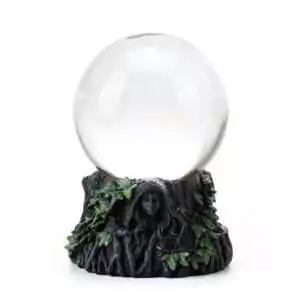

This is so pretty! It’s flawless. Since it’s alexandrite I expect it to change but I haven’t seen it happen yet. But it does look beautiful in the sun. I would recommend.
Very nice