
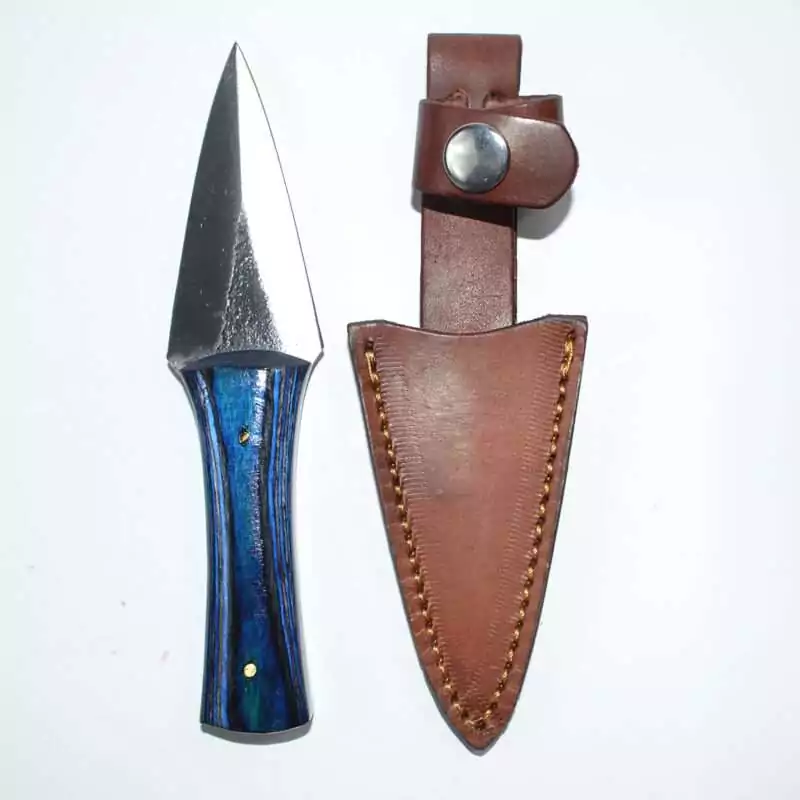
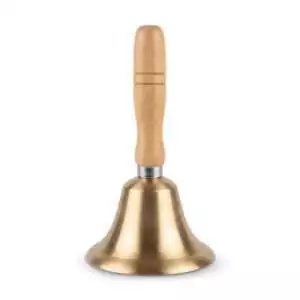
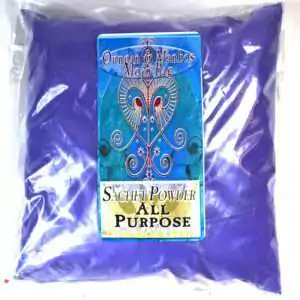
Quick Specs
- Size: 6 1/2 inches overall
- Type: Ritual Athame
- Blade Shape: Arrowhead point
- Handle: Colored handle with comfortable grip
- Includes: Custom leather belt buckle sheath
- Best For: Circle casting, energy direction, altar work, ritual practice
The Athame: A Blade That Doesn’t Cut
I stock this compact 6 1/2″ arrowhead athame because its form matches its function perfectly. The arrowhead blade shape carries centuries of symbolic weight as a point of focus and direction, and here it’s adapted into a clean ritual blade that sits naturally in the hand. The colored handle gives you a confident grip, which matters when you’re holding a ceremonial tool aloft during a working.
An athame doesn’t cut rope or carve herbs. That distinction is important to understand before you bring one to the altar. In Wiccan and broader neo-pagan practice, the athame is a tool for directing will and energy, drawing circles, and working with the element it’s assigned in your tradition, usually Fire or Air. It’s the hand of the practitioner made visible in the ritual space. For physical cutting work, that’s the role of the bolline, a separate white-handled knife used outside the circle. Browse my full athame collection if you want to compare styles before deciding.
The arrowhead silhouette on this blade is a straightforward design choice with good bones. It’s compact enough to use in smaller ritual spaces without feeling unwieldy, and the included leather belt buckle sheath means you won’t be hunting for a safe place to store it between rituals. If you’re building out a complete working altar, you’ll want to pair the athame with the other elemental tools. Explore my ritual supplies to round out your setup.
How to Use Your Arrowhead Athame
Three steps for bringing a new athame into your ritual practice.
- Set Your Intention Before the Ritual
Hold the athame point-upward in both hands for a moment before your ritual begins. State your intention aloud or silently. This anchors your focus before you cast the circle or direct any energy with the blade.
- Use the Blade to Cast or Open Your Circle
Point the tip of the athame outward and walk clockwise around your ritual space, visualizing a boundary of light or energy forming as you move. This is the primary use of an athame – directing will, not cutting physical matter.
- Close the Circle and Store the Athame Safely
Walk counterclockwise, drawing the circle closed with the blade. When finished, slip the athame into the leather sheath provided and fasten the snap. Store blade-down or flat on your altar between uses to protect the edge and the sheath.
The Tarot Fellow Standard
I carry this athame because the supplier has been consistent in delivering blades that are solidly assembled and packaged well enough to arrive undamaged. The leather sheath is functional, not decorative filler, and the snap closure holds. That matters if you’re using this in transit to outdoor circles or seasonal gatherings where things get jostled.
One practical note: the colored handle may vary slightly in shade from what’s pictured. The arrowhead blade shape and overall dimensions stay consistent, but exact handle color isn’t guaranteed to match. If a specific handle color is critical to your practice, reach out before ordering.
Frequently Asked Questions
No. An athame directs energy, it doesn’t cut physical material. The blade is ceremonial. In Wiccan practice, a separate tool called a bolline handles any physical cutting, leaving the athame purely for ritual energy work.
The athame is central to Wicca, drawn from Gerald Gardner’s mid-20th century writings. It represents Fire or Air depending on tradition, and pairs with the chalice, wand, and pentacle as one of the four classical altar tools.
Many practitioners consecrate a new athame by passing it through incense smoke and stating an intention. This isn’t a universal requirement – it’s a personal or tradition-specific choice. Use whatever method fits your practice and path.
The leather belt buckle sheath is built for safe storage and transport. Check local laws before carrying any bladed item in public. Most practitioners keep the athame on the altar and use the sheath when traveling to outdoor rituals or events.


Reviews
There are no reviews yet