


Quick Specs
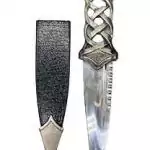
- Type: Ritual athame, Celtic style
- Size: 7″
- Size/Quantity: 7 inches overall, double-edged blade with traditional handle styling
- Best for: Celtic and Wiccan circle casting, elemental invocations, altar consecration
Scottish Athame: Celtic Blade Traditions in Ritual Practice
The Scottish athame draws on the dirk and dagger traditions of the Scottish Highlands, where bladed tools carried strong symbolic meaning in folk custom, personal protection, and boundary-keeping rituals. The dirk was a companion blade worn daily, associated with personal honor and the defense of sacred boundaries. Adapting this tradition into Wiccan and Celtic ritual practice gives the Scottish athame its specific cultural weight beyond the generic ceremonial blade.
In Wiccan ritual, the athame corresponds to the element of Air and the East quarter, though some traditions link it to Fire depending on the lineage and working style. The tool is used to cast the circle, invoke the four elements at each cardinal direction, consecrate the altar, and direct energy during spellwork. Its double-edged blade represents the dual nature of will: the capacity to direct energy both toward a goal and away from interference.
Choosing a Scottish-Style Blade for Your Practice
The Celtic design aesthetic of this athame suits practitioners who identify with Scottish, Irish, or broader Celtic spiritual traditions, including Druidry, Celtic Wicca, and folk animist practice. The visual language of the blade communicates cultural alignment to fellow practitioners and grounds the ritual tool in a specific ancestral lineage rather than a generic ritual supply.
For practitioners who work outdoors or in natural settings, the Scottish athame reads as appropriate to the landscape-connected aspects of Celtic spirituality. Pairing it with a heather or thistle altar cloth, a chalice in a Celtic knotwork design, and a working pentacle reinforces the cultural theme consistently across the full ritual setup.
How to Use Your Scottish Athame
How to use a Scottish-style ritual athame for Celtic and Wiccan circle work and elemental practice.
- Cast Your Ritual Circle
Use the Scottish athame to cast your circle by pointing the blade outward and walking the perimeter sunwise. Speak your intentions clearly as you trace each quarter, then return to close the circle in the same direction.
- Consecrate the Four Elements
To consecrate the blade before its first ritual use, pass it through incense smoke representing Air, then hold the tip briefly near a candle flame for Fire, sprinkle water on the flat, and touch it to salt for Earth.
- Store and Maintain the Blade
After ritual, wipe the blade clean with a dry cloth and wrap it in natural fabric such as linen or wool before storing. Avoid exposing the metal to prolonged moisture to preserve the finish on the double-edged blade.
The Tarot Fellow Standard
I selected this Scottish athame for practitioners who want a blade that speaks to Celtic heritage without requiring a large investment. The traditional proportions and double-edged design hold up to serious ritual use. Explore my full athame selection for other blade styles, and browse my Viking and Celtic products to build a culturally consistent altar.
Frequently Asked Questions
The Scottish athame draws from the dagger and dirk traditions of Scottish Highlands culture, where bladed tools carried symbolic protective meaning in folk practice and were associated with personal honor and boundary keeping.
In most Celtic and Wiccan traditions, the athame corresponds to the Air element and is associated with the East quarter. Some traditions link it to Fire instead; the correspondence you work with is what matters most in practice.
Double-edged blades are restricted in Massachusetts and California, so this item cannot ship to those states. Check local laws before ordering, as blade length and edge restrictions vary by state and country of destination.
The athame directs energy rather than cutting physical matter. If you need a blade for cutting herbs, cords, or materials during ritual, that function is typically handled by a separate white-handled knife called a boline.


Reviews
There are no reviews yet