

Quick Specs
- Material: Quartz-glass composite, highly polished
- Type: Scrying sphere, divination tool
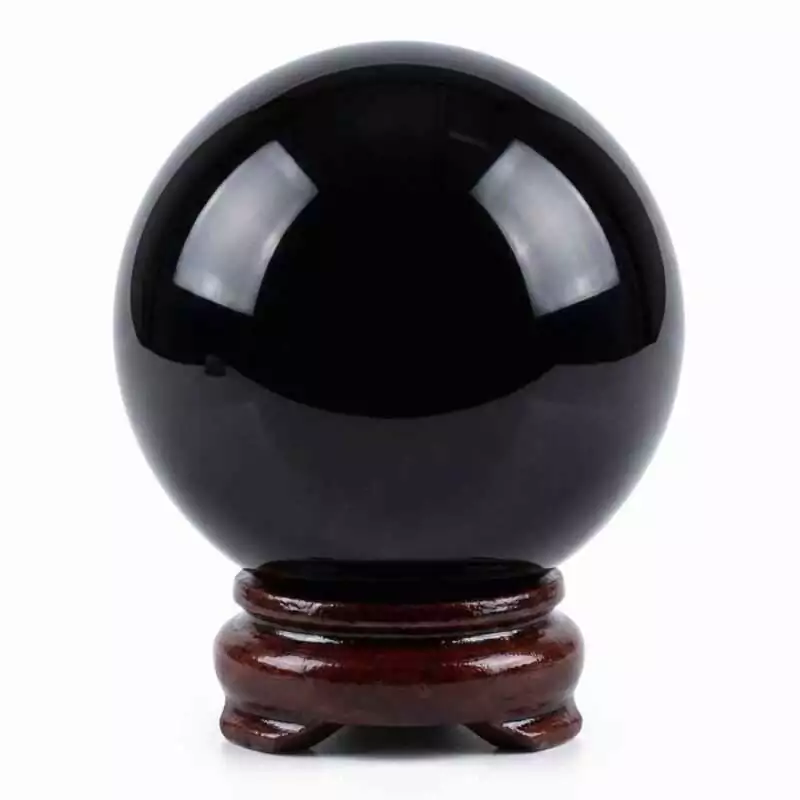
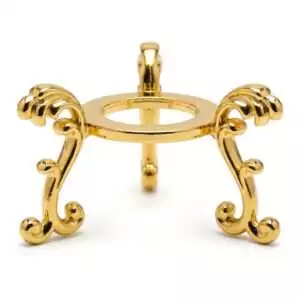
- Size: 80mm diameter (approximately 3.15 inches); stand not included
- Best for: Shadow work, deep scrying, psychic protection, Saturnine and void-work practices
The History of Dark Scrying Surfaces
The use of black reflective surfaces for divination predates the crystal ball by centuries. In the Aztec tradition, polished obsidian mirrors were sacred to Tezcatlipoca, the “smoking mirror” deity of premonition and sorcery. When conquistadors brought these objects to Europe, Elizabethan astrologer and mathematician John Dee acquired one, now housed in the British Museum, and used it to attempt communication with angels, recording his sessions in elaborate journals. The tradition of gazing into a dark, void-like surface to access hidden knowledge is among the oldest forms of scrying documented across cultures, from Aztec to Elizabethan England to Roma divination traditions.
This 80mm black crystal ball is composed of a quartz-glass composite, polished to a mirror-like, deep black finish. It is not natural obsidian, and I say so plainly: at this size and finish consistency, the material is a processed quartz-glass fusion, which is standard for the modern scrying ball market and does not diminish its function as a focal surface. What matters for scrying is the quality of the reflective surface and the depth of color, both of which this ball delivers in full.
Shadow Work and the Jungian Tradition
Carl Jung defined the shadow as the unconscious repository of traits, impulses, and memories the ego refuses to acknowledge, the parts of the self exiled rather than integrated. Shadow work, as practiced in contemporary depth psychology and spiritual traditions, is the deliberate process of confronting and reclaiming those exiled parts. The black crystal ball has become the preferred tool for this practice because its opaque, absorptive surface encourages projection inward rather than outward: you see nothing reflected back except what your own mind supplies. The void quality of the black surface creates an ideal screen for unconscious material to surface.
Unlike the clear crystal ball, which invites the projecting mind to fill a transparent neutral space, the black ball absorbs light entirely, creating a sense of depth and darkness that practitioners describe as entering rather than seeing. Unlike the aurora ball’s prismatic shimmer or the green ball’s heart-focused warmth, the black ball has one register: depth. It is the darkest, most introspective tool in this collection, suited for work that requires sitting with discomfort, examining what you have avoided, and releasing what no longer belongs.
Saturn Energy and Protective Use
In Western occultism, Saturn governs boundaries, time, death, endings, and the unconscious. Black is Saturn’s color, and black stones and surfaces have been used in Saturnine ritual for centuries, including in ceremonial magic and planetary magic traditions. Practitioners who work within planetary frameworks often incorporate a black scrying ball during Saturn hours or on Saturdays for protection workings, banishing, and work requiring the shedding of old patterns. Psychic protection is one of the most cited functions: the black surface absorbs rather than reflects, and practitioners report using it as a shield against external energetic interference during sensitive spiritual work.
How to Use the 80mm Black Crystal Ball
Three steps for shadow work scrying with the 80mm black crystal ball, from space preparation through post-session recording.
- Prepare the Space for Dark Scrying
Work in a dimly lit room after dark. Place two candles on either side of the ball so the flame reflects in the surface without blinding you. A dark cloth underneath the ball reduces reflective interference from the surface beneath it.
- Enter a Soft-Focus Gaze
Sit at arm’s length from the ball. Soften your gaze; look slightly past the surface, not at it. As your eyes relax, the ball may appear to mist, shift color, or show faint imagery. This is the hypnagogic state the practice cultivates.
- Journal Immediately After
Keep a journal and write immediately after the session, even if impressions seem nonsensical. Shadow work images arrive as symbols or emotional fragments rather than literal visions. Recording them consistently builds interpretive skill over time.
The Tarot Fellow Standard
I chose this 80mm black ball for its surface quality and its size. At 3.15 inches in diameter, it is large enough to create a genuine sense of depth during a scrying session without being so heavy that it becomes impractical. The quartz-glass composite gives a flawless, mirror-dark finish that cheaper all-glass alternatives cannot match. I carry it specifically because shadow work practitioners need a tool that earns the weight of what they’re doing, not a decorative prop. Browse my full crystal ball collection to compare the black against the other spheres, or explore my altar supplies for cloths, candles, and stands that support your scrying setup.
Frequently Asked Questions
Shadow work is the practice of confronting unconscious patterns, rooted in Jungian depth psychology. The black ball’s void-like surface minimizes external reflection, helping practitioners project inward and access deeper, often avoided material.
No. It is a quartz-glass composite polished to a deep black finish. Natural obsidian balls of this size are rare and costly. The composite is standard for the scrying ball market and delivers the opaque, absorptive surface dark scrying requires.
The black ball absorbs light, creating a void-like opaque surface for shadow work and introspective scrying. The clear ball is transparent, inviting the mind into open space. Different tools for different psychological registers of intuitive work.
Many practitioners use black surfaces for psychic protection within planetary frameworks linking black with Saturn and boundaries. The ball suits altar protection work, though outcomes depend on the practitioner’s intent and consistency of practice.



Reviews
There are no reviews yet