


Quick Specs
- Type: Fragrance and cosmetic carrier / diluent
- Size: 8 oz bottle
- Grade: Premium fragrance and cosmetic grade
- Best for: Diluting ritual oils, perfume making, reed diffuser blends, and extending fragrance oil concentrates
What Dipropylene Glycol Does in Fragrance and Ritual Oil Work
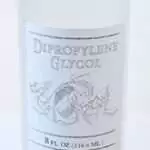
Dipropylene glycol (DPG) is a clear, nearly odorless liquid used as a carrier and diluent for fragrance oils, perfume concentrates, and cosmetic formulations. Its chemical structure gives it the ability to dissolve and carry fragrance molecules without competing with or altering the scent profile you are working with. Unlike thicker fixed oils such as jojoba or fractionated coconut oil, DPG stays fluid and clean, which makes it particularly useful when you want a carrier that stays out of the way of the fragrance itself.
In ritual oil work, DPG is a common diluent used to extend ritual oil and fragrance oil concentrates to a working strength. A 1:1 dilution of fragrance concentrate to DPG doubles your volume while maintaining the scent profile in harmony. For reed diffuser applications, a ratio of roughly one part fragrance to two parts DPG yields a consistent, sustained release. These ratios are flexible starting points; adjust based on the strength of the concentrate you are working with.
Applications Across Perfumery and Ritual Practice
Perfume makers working with solid accords or high-potency aromatic chemicals use DPG to pre-dilute materials before incorporating them into a blend, preventing hotspots where one note overwhelms the others. This technique, called pre-dilution, is standard in professional perfumery and equally useful for anyone blending custom ritual anointing oils or consecrated perfumes at home. Browse my carrier oils collection to see the full range of bases I stock alongside DPG.
DPG is also appropriate for candle-making formulations where you want to incorporate fragrance oil at a controlled concentration, and in room spray blends where you need a low-odor base before adding your chosen aromatic. It is for external use only and not appropriate for ingestion or internal applications. Store it in a sealed container away from direct heat and sunlight to preserve its purity and low-odor properties.
How to Use Dipropylene Glycol DPG
Use DPG as a precision diluent and carrier for fragrance oils, ritual oils, and perfume blends.
- Dilute a Fragrance Oil Concentrate
Start with a 1:1 ratio of fragrance oil to DPG for a working-strength ritual or perfume oil. Pour fragrance into a glass bottle first, add DPG, cap, and shake for 30 seconds. Adjust toward more DPG for lighter scent strength.
- Blend a Reed Diffuser Base
Combine one part fragrance oil with two parts DPG in a clean glass diffuser vessel. Insert reed sticks and allow 24 hours for the blend to travel up the reeds. DPG low viscosity allows reeds to wick and release scent more evenly.
- Pre-Dilute Potent Aromatic Materials
When working with potent aromatic chemicals or thick resinous absolutes, add them to DPG at a 10 to 20 percent concentration before blending. This pre-dilution step prevents uneven distribution and gives finer control over scent balance.
The Tarot Fellow Standard
I added DPG to the inventory because customers who are serious about their ritual oil and perfume work needed a quality diluent available in a practical 8 oz working quantity. The fragrance-grade product I carry is nearly odorless, which is exactly what you want when your goal is to stretch a beloved oil concentrate without muddying the scent. It is a utilitarian product, but for anyone blending custom ritual oils or ritual fragrances, it is indispensable. Take a look at my oils collection for the concentrates and ritual oils that pair naturally with this carrier.
Frequently Asked Questions
DPG is used as a diluent and carrier to extend fragrance oil concentrates to working strength without altering the scent profile. It is a common base for stretching ritual oils and perfume concentrates.
DPG is a synthetic glycol rather than a plant-derived fixed oil, making it thinner and more neutral than jojoba or coconut oil. It is preferred for maximum fragrance clarity and a non-greasy feel, though it is not moisturizing like plant oils.
A 1:1 ratio of fragrance to DPG is a good starting point for ritual and perfume oils. For reed diffusers, use one part fragrance to two parts DPG. Adjust toward more DPG for lighter concentration or less for a stronger scent presence.
DPG can be added to room spray blends but does not permanently stabilize oil in water. A dedicated solubilizer is needed for a stable water-based spray. DPG performs best in non-water oil blends such as diffuser mixes and fragrance oil formulas.

Reviews
There are no reviews yet