



Quick Specs
- Material: Brass (copper-zinc alloy)
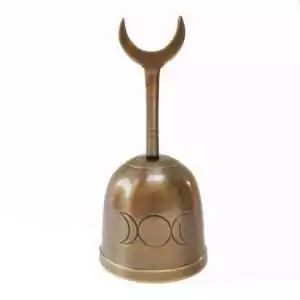
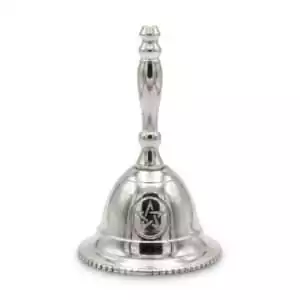
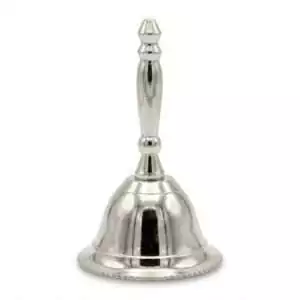
- Type: Handheld ritual bell
- Size: 3 inches
- Best for: Opening and closing sacred space, energy clearing, altar work
Brass Ritual Bells Across World Traditions
The handheld bell is one of the oldest ritual instruments on earth, appearing independently in Buddhist temple practice, Catholic liturgy, Celtic folk religion, and Wiccan ceremony long before any of these traditions had contact with one another. That convergence is no accident: a sharp, clear tone is one of the few sounds that reliably interrupts ordinary mental activity and signals a shift in intention. Buddhist monks ring bells to mark meditation periods and call practitioners to the shrine. In Catholic and Anglican rites, the sacring bell is rung at the moment of consecration during the Eucharist, a practice documented since at least the thirteenth century. Celtic folk traditions used the peal of handheld bells to drive away unwanted spirits from homes and crossroads.
In contemporary Wiccan and Pagan practice, the altar bell serves three primary functions: opening and closing the ritual circle, clearing stagnant energy from a space, and calling on deity or spirit to attend a working. Brass is the traditional material for this purpose because its copper-zinc composition produces a warm, penetrating tone that carries well in enclosed spaces without the harshness of steel. A 3-inch bell sits comfortably in one hand and generates enough sound to fill a standard ritual room while remaining discrete enough to store on a small altar tray.
Active Sound Healing vs. Passive Wind Chimes
It’s worth distinguishing between tools that work through active, intentional use and those that work passively. A wind chime hung at a doorway creates sound whenever air moves through it, which makes it an ambient protective or decorative tool. A handheld ritual bell is a deliberate instrument: you ring it at a specific moment in a specific way to produce a specific effect. That intentionality is part of what gives it liturgical weight across so many different spiritual systems. If you’re drawn to sound healing work more broadly, a sound and vibrational healing tool like a singing bowl offers sustained tones for meditation, while this bell provides the clear, punctuating peal suited to ritual punctuation.
The 3-inch size is deliberate. Smaller bells, those under 2 inches, tend to produce a thin tone that dissipates quickly. Larger bells above 4 inches are better suited to outdoor use or group ceremony where projection across a wide area matters. For the solitary practitioner working in a bedroom or living room altar, a 3-inch brass bell produces the ideal balance of tone, sustain, and portability. It rings cleanly with a flick of the wrist and does not require a stand or special mounting.
How to Use a Brass Ritual Bell
Three practical ritual applications for your brass altar bell.
- Open Sacred Space
Stand at your altar and ring the bell three times with a smooth, deliberate motion. The sharp peal signals the transition from ordinary time into ritual time, marking the boundary between the everyday world and sacred work.
- Clear Stagnant Energy
Carry the bell through each room you want to clear, ringing as you walk the perimeter clockwise. The resonant tone disrupts stagnant or heavy energy, restoring the clean, active vibration that supports focused ritual and meditation practice.
- Call Deity or Spirit
Three slow rings at the start of an invocation serve as an audible signal that the working has begun. Many practitioners ring once to call, pause to listen, then ring again to confirm the connection before proceeding with their prayer or petition.
The Tarot Fellow Standard
I stock this bell because it covers the single most common gap I see in new practitioners’ altar setups: something to mark the beginning and end of a working. Candles, incense, and crystals are easy to source, but a proper ritual bell with a resonant brass tone is harder to find at a reasonable quality point. This 3-inch size works equally well for a beginner building a first altar and for an experienced practitioner who needs a reliable, portable option. If you’re assembling a full working altar, browse my altar supplies collection for complementary tools including athames, chalices, and altar cloths.
Frequently Asked Questions
A ritual bell marks the opening and closing of sacred space, clears stagnant energy through sound vibration, and signals deity or spirit that a working has begun. It serves this core function across Wiccan, Buddhist, and folk Catholic traditions.
A brass hand bell produces a short peal that cuts cleanly through space, ideal for punctuating ritual moments. A singing bowl sustains a long resonant tone for meditation. The two tools complement each other but serve distinct purposes in practice.
A 3-inch brass bell is the most practical size for solitary home use. It projects a clear tone through a single room yet stays compact enough to store on an altar tray alongside candles, a wand, and other working tools without crowding the surface.
Yes. Ringing a bell while walking the room perimeter is a recognized sound-based alternative to smoke cleansing. The vibration travels through air and around furniture the same way sound moves, reaching corners that smoke may not fully penetrate.




1 review for Brass Hand Bell 3” — Ritual Clearing & Altar Tool