

Quick Specs
- Author: Christina Anthis
- Publisher: Callisto (2019)
- Pages: 186
- Best for: Aromatherapy beginners, natural wellness, skin care and home recipe reference
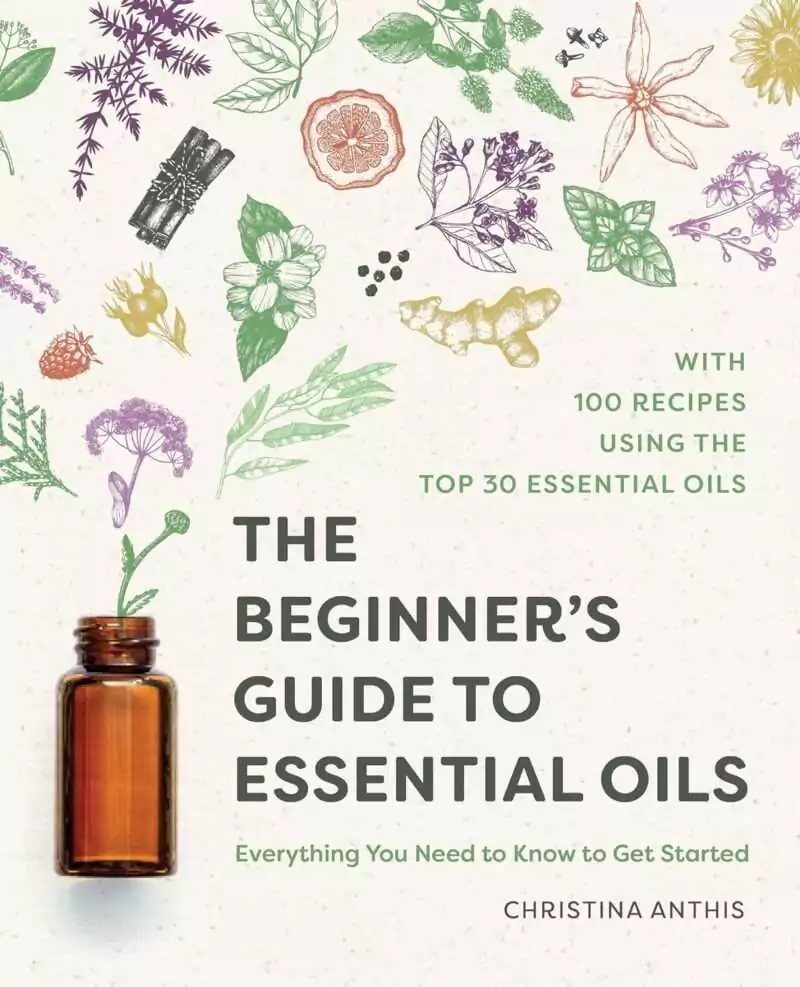
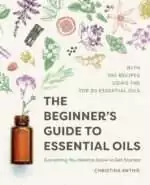
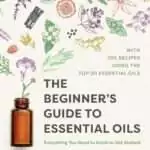
Christina Anthis Essential Oils Book: A Practical Aromatherapy Reference
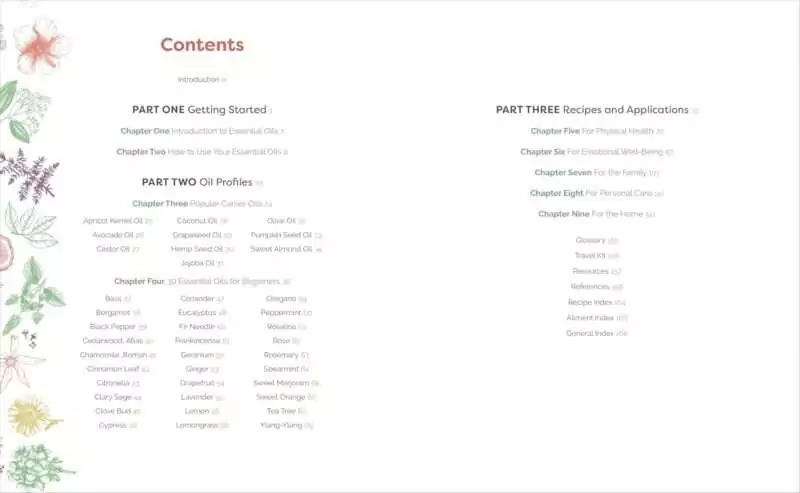
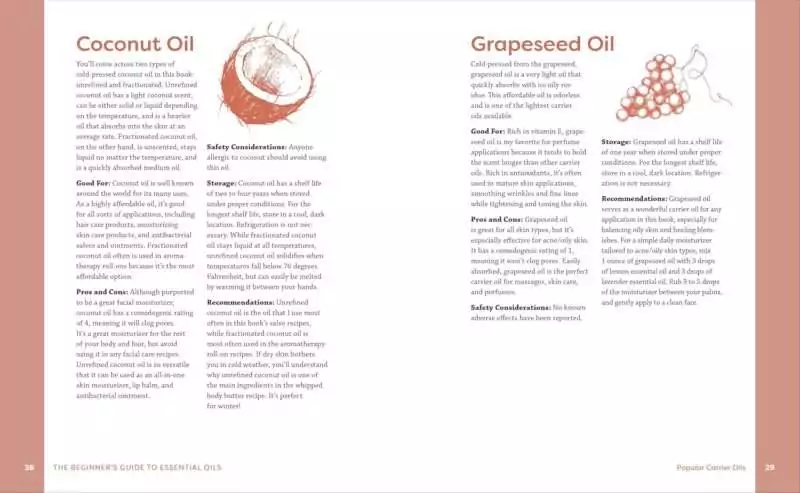
Christina Anthis wrote this guide specifically for readers who are starting from scratch with essential oils. The book is organized around what a beginner actually needs: a clear explanation of what essential oils are, how they are extracted, and how to evaluate quality when buying; a reference section of 30 individual oil profiles; a guide to 10 carrier oils; and 100 recipes organized by application type. The publisher, Callisto, produces a range of practical wellness references, and this title follows their format of tightly edited, actionable content over padding.
Essential oils in this context are concentrated volatile compounds extracted from plant matter, most commonly through steam distillation or cold pressing. They are distinct from fragrance oils, which are synthetic or blended scents formulated for aroma alone and are not appropriate for skin care or therapeutic use. If you’re looking to use natural plant extracts for diffusing, homemade skin care, wellness blends, or household products, this book covers the foundational knowledge you need. Browse my essential oils collection if you’re ready to start purchasing individual oils to work with.
Essential Oils Reference Book for Beginners: What the 186 Pages Contain
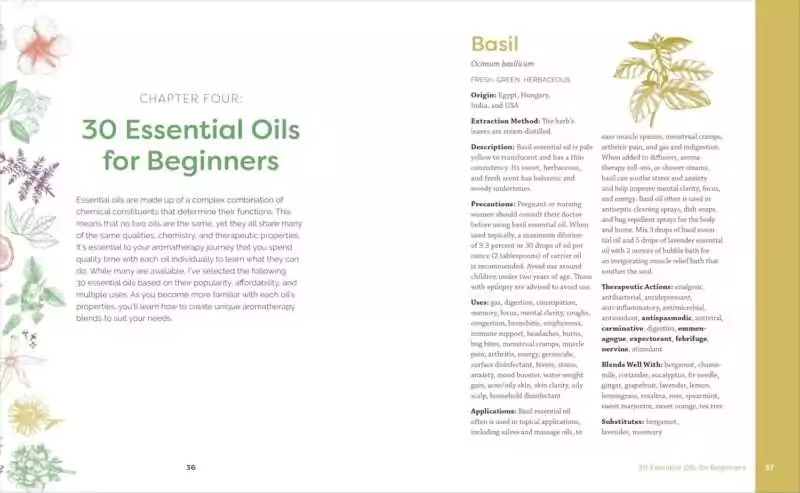
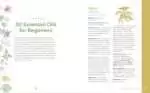
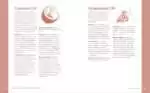
The book’s structure is practical. Part One covers fundamentals: what essential oils are, how they work physiologically, how to acquire and store them safely, how to blend with carrier oils, and an overview of application methods including diffusion, topical application, and inhalation. Part Two forms the reference core, with profiles of 30 popular oils covering aroma characteristics, therapeutic actions, blending suggestions, and substitution options. The safety sections are unusually thorough for a beginner book, with specific guidance on dilution for pregnancy, infants, and young children.
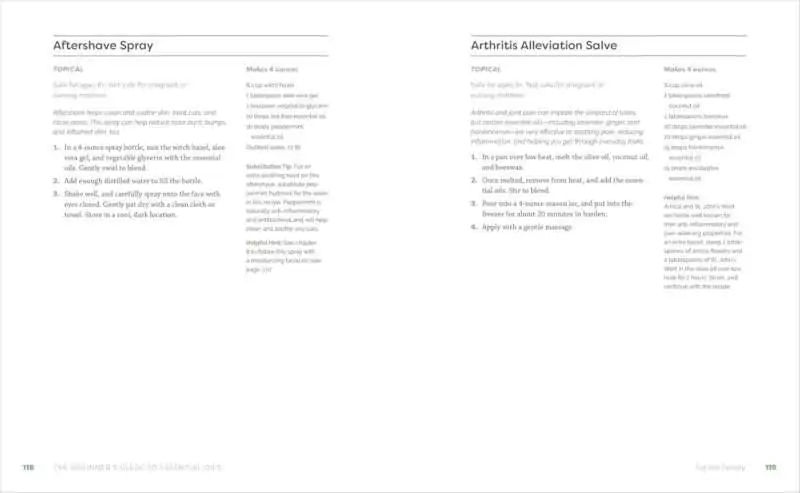
The 100 recipes span a wide range of applications: personal care (salves, roll-ons, deodorant, hair treatments), health support (cold and flu blends, stress relief, sleep), and household use (cleaning sprays, bug repellent, candles). Each recipe specifies carrier oil type and quantity, which makes it genuinely executable rather than vague. Readers who come to aromatherapy from a spiritual practice often find this book useful as a practical companion for understanding the plant chemistry behind the scents they work with regularly.
How to Use The Beginner’s Guide to Essential Oils
Use this book as a structured learning path from fundamentals to practical recipes.
- Read the Oil Profiles Section First
Start with the 30 essential oil profiles in Part Two. Each entry covers the oil's aroma, therapeutic actions, blending suggestions, and safe dilution notes. This section is where most readers build their core knowledge of individual oils.
- Study Dilution Ratios and Safety Guidelines
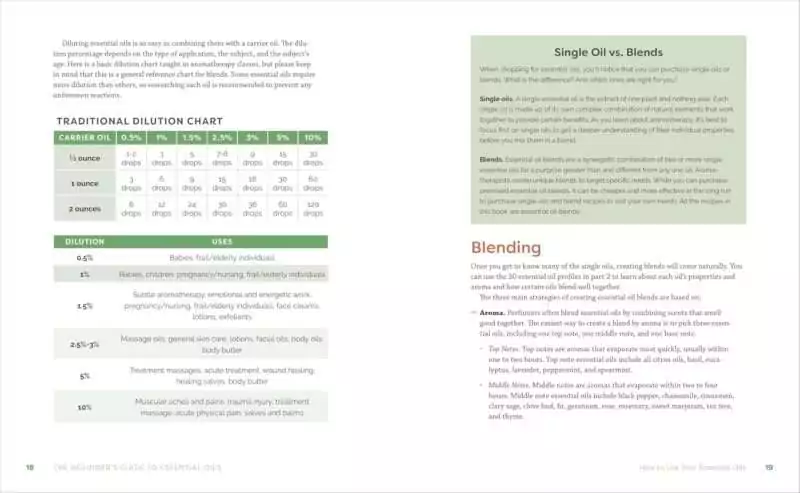
Before making any recipe, read the safety chapter covering dilution percentages for adults, children, and pregnancy. The book specifies exactly how many drops of essential oil to use per ounce of carrier oil for each application type and age group.
- Try One of the 100 Included Recipes
Choose a recipe suited to your current need: a roll-on for stress, a cleaning spray, a skin salve, or an inhalation blend. Each recipe lists exact quantities and tells you which of the 10 carrier oils to use and why it suits that application.
The Tarot Fellow Standard
I stock this book because many customers who come to me for ritual oils are also curious about the plant chemistry behind the scents they work with, and this is one of the cleanest beginner aromatherapy references available. It’s well-edited, safety-conscious, and recipe-forward, which means you can actually use it rather than just read it. The essential oils in this book are for aromatherapy and natural wellness use. For ritual-grade fragrance oils for spiritual work, browse my full books collection alongside the rest of my catalog for complementary reading.
Frequently Asked Questions
Essential oils are steam-distilled or cold-pressed plant extracts used in aromatherapy and skin care. Fragrance oils are synthetic or blended scents formulated for aroma only and are not suitable for therapeutic use or direct skin application.
Yes. Christina Anthis dedicates a full chapter to safe use, including dilution ratios for adults, children, and pregnant users. She also covers which oils to avoid in specific situations and how to perform a skin patch test before topical use.
The book profiles 30 commonly available essential oils including lavender, peppermint, tea tree, frankincense, eucalyptus, and lemon, plus 10 carrier oils such as jojoba, fractionated coconut, and sweet almond. All are widely available for purchase.
Yes. The book is explicitly designed for those with no prior experience. It opens with foundational explanations of what essential oils are, how they are produced, and how to buy and store them, before moving into oil profiles and recipes.

Reviews
There are no reviews yet