

Quick Specs
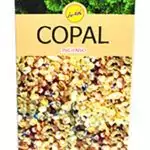
- Brand: Sree Vani
- Type: Hand-rolled Indian masala stick incense
- Size/Quantity: Box of 6 packs
- Best for: Purification, ancestor work, Dia de los Muertos altars, space clearing, crown chakra ritual
Copal: Sacred Resin of Mesoamerica
Copal is the collective name for several tree resins produced primarily by trees in the Bursera genus, native to Mexico and Central America. The word itself comes from the Nahuatl “copalli,” meaning incense. Copal has been burned in Mesoamerican ceremonial contexts for at least three thousand years, with excavated evidence of its use at Maya and Aztec temple sites throughout present-day Mexico and Guatemala. In Aztec cosmology, copal smoke was understood as the breath of the gods, and it was one of the most important offerings burned at the Templo Mayor in Tenochtitlan. Maya inscriptions document its use in healing ceremonies, royal dedications, and calendar rites.
The Sree Vani interpretation brings copal resin into the Indian masala format, integrating the bright, citrusy-resinous copal scent into a hand-rolled stick that burns evenly and steadily. The resulting fragrance is uplifting and clean, with a slightly sweet, transparent quality that distinguishes copal from darker, heavier resins like frankincense or myrrh. This clarity makes it particularly well-suited for purification work and space-clearing, where the goal is to lift and brighten the energetic atmosphere of a room rather than to anchor or deepen it.
Ritual Uses in Mexican and Contemporary Practice
In contemporary Mexican spiritual practice, copal is the standard incense for Dia de los Muertos altars, burned to guide ancestor spirits to the offerings laid out for them. It also appears in curanderismo, the traditional healing practice of Latin America, where it is burned to purify a patient’s energy field, clear a space of harmful influences, and strengthen the curandero’s connection to spirit helpers. In Voodoo-adjacent New World traditions, copal smoke serves as a spiritual bridge between the living and the ancestors, making it a natural choice for any altar work that involves calling on family lineage for support.
For contemporary practitioners outside the Mexican tradition, copal functions as an accessible purification incense that pairs well with white candles, selenite, and clear quartz for energy-clearing rituals. Browse the full Sree Vani masala incense line for other ritual scents including patchouli, nag champa, and fast luck formulas.
How to Use Copal Sree Vani Incense Sticks
Practical ritual steps for burning copal incense in purification, ancestor work, and space-clearing practice.
- Use copal to open and purify the ritual space
Light the copal stick and carry it through each room, letting the smoke move into corners and doorways. Copal’s clean, citrusy scent lifts the atmosphere toward clarity and spiritual receptivity before ritual, meditation, or ancestor work.
- Burn on a Dia de los Muertos or ancestor altar
Place a lit copal stick in a holder at the center of an ancestor altar near the offerings. Mexican tradition understands the smoke to guide spirits of the departed to the offerings and carry prayers upward to the ancestors gathered at the ofrenda.
- Pair with white candles for purification ritual
Combine a burning copal stick with a white candle on a cleared altar. State what you are releasing or purifying, then allow both to burn together. The copal smoke carries the clearing intention while the white candle holds the purified space steady.
The Tarot Fellow Standard
I stock copal because it is irreplaceable for any practitioner working with Mexican and Central American spiritual traditions, and because it performs beautifully as a general purification incense for practitioners from any background. The Sree Vani masala version delivers genuine copal character without the mess of burning raw resin on charcoal. Browse my altar supplies collection for the candles, holders, and offering bowls that complete a copal-centered ancestor altar setup.
Frequently Asked Questions
Copal is a tree resin from the Bursera genus, native to Mexico and Central America. The Nahuatl word copalli means incense. It has been burned in Mesoamerican ceremonies for at least 3,000 years and remains central to Mexican spiritual practice.
Copal is burned on Dia de los Muertos altars to guide the spirits of the departed to the offerings. The smoke acts as a bridge between the living and the ancestors, and is one of the most important elements of the traditional ofrenda altar setup.
No. All three are tree resins but from different families and regions. Copal is from Bursera trees in Mesoamerica; frankincense from Boswellia trees in Arabia and East Africa. Copal burns lighter and citrusy while frankincense is deeper and spicier.
Yes. Copal’s bright, clean, uplifting scent makes it effective for general space clearing. It works well in rooms that feel heavy or emotionally charged. Practitioners use it as a natural complement to white sage for purification work.

Reviews
There are no reviews yet