


Quick Specs
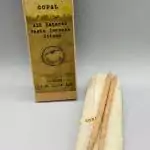
- Type: Natural resin stick incense
- Size/Quantity: 10 sticks per pack
- Best for: Space purification, ancestor work, Mesoamerican ritual, full moon ceremony
Copal: The Sacred Resin of Mesoamerican Temple Tradition
Copal is a tree resin harvested from several species of the Bursera genus, with Bursera copallifera and Bursera bipinnata among the most traditionally significant. The word copal itself comes from Nahuatl copalli, simply meaning incense, reflecting how central this resin was to Aztec and Mayan religious practice that no separate vocabulary was needed to distinguish it. Copal was burned in temple ceremonies to the gods Tlaloc, Quetzalcoatl, and others, and it served as the primary offering incense throughout the Aztec empire for centuries before the Spanish colonial period.
The smoke of copal burns bright and relatively clean compared to many other resins, with a citrusy, slightly piney, light sweetness that distinguishes it clearly from frankincense, myrrh, or benzoin. In modern Mexico, copal remains a common incense at Day of the Dead altars and during feast day celebrations in indigenous communities, creating a continuity from pre-Columbian temple practice to contemporary household altars. The stick format presents this resin in its most accessible form without requiring charcoal, censers, or loose resin handling.
Ritual Applications in Space Clearing and Ancestor Practice
Copal is used primarily for purification and protection, burned to clear spaces of negative energy before or after spiritual work. Its reputation for opening lines of communication with the spirit world makes it particularly valued for ancestor altars and seances. Some practitioners use copal as an alternative to frankincense for cleansing and consecrating sacred space, appreciating its lighter smoke profile and its Mesoamerican origin.
Browse my natural artisan blend incense collection for other resin-based and culturally specific incense options. Copal pairs exceptionally well with white sage for full space clearing sequences: the sage lifts stagnant energy and the copal smoke that follows consecrates the cleared space with protective and communicative intention. The 10-stick pack provides a practical quantity for sustained ritual practice without committing to bulk before testing the smoke profile in your space.
How to Use Copal Incense Sticks
Three practical methods for using copal incense sticks in ritual and daily practice.
- Open a Space Clearing Sequence with Copal
Light one copal stick and carry it slowly through each room, moving counterclockwise to clear and then clockwise to seal. The bright resin smoke reaches corners and surfaces that loose resin burned on charcoal sometimes misses with its plume.
- Burn It on Your Ancestor Altar
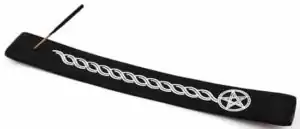
Place a lit copal stick in a holder on your ancestor altar before beginning ancestor communication practice. Copal has been used in Mesoamerican tradition for this purpose for centuries, and its smoke is considered an offering to ancestral spirits.
- Pair It with White Sage for Full Clearing Ritual
Burn white sage first to lift and disperse stagnant energy from the space, then follow with copal to consecrate and seal the cleared space with protective intention. The sequence moves from removal to protection in a single continuous ritual pass.
The Tarot Fellow Standard
I stock copal incense sticks because copal deserves more shelf space than it typically gets relative to frankincense in the Western market. It has a specific cultural lineage, a distinct and excellent smoke profile, and a role in both pre-Columbian indigenous practice and contemporary Mexican practice that most incense retailers present without any context. Understanding what copal is improves how practitioners use it. Copal belongs to living traditions, and I offer these sticks as an entry point, not a substitute for learning from the communities that use it. For the full range of resin and loose incense options alongside these sticks, explore my granular and resin incense collection.
Frequently Asked Questions
Copal burns with a light, citrusy, slightly piney sweetness distinctly brighter and less heavy than frankincense or myrrh. It produces clean white smoke and leaves a fresh, resinous scent in the space rather than the dense warmth of other resins.
No. Both are tree resins burned as sacred incense, but from different plant genera with distinct scent profiles. Copal is from Bursera species native to Mesoamerica; frankincense is from Boswellia species native to the Horn of Africa and Arabia.
Yes. Copal is one of the most documented incense resins for ancestor and spirit communication, used in Aztec and Mayan ceremony for that purpose for centuries. Its smoke is traditionally understood as an offering and invitation to ancestral spirits.
No. The stick format contains copal resin on a combustible core that lights and holds its ember without charcoal. This makes it significantly more accessible than loose resin copal, which requires a charcoal disc and censer for proper burning.


Reviews
There are no reviews yet