

Quick Specs
- Brand/Publisher: Llewellyn Worldwide
- Type: Paperback book
- Size/Quantity: Approx. 224 pages with appendices, glossary, and bibliography
- Best for: Beginners exploring divination methods, students wanting a broad survey before specializing
A Survey of Divination Methods for New Practitioners
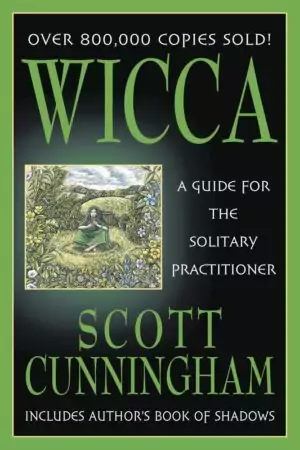
Scott Cunningham was one of Llewellyn’s most respected and widely read authors, best known for his books on herbalism and Wicca. This title, published posthumously in 2003, brings his characteristically accessible and non-dogmatic voice to the subject of divination. Rather than focusing deeply on one method, Cunningham covers a wide range of systems, giving readers a meaningful introduction to each so they can identify which approaches resonate before investing further.
The book opens with a grounding perspective on what divination is and what it can realistically offer. Cunningham argues that the real value lies in planning and course correction rather than fixed prediction, which is a useful framework for beginners who might otherwise approach divination with either excessive skepticism or uncritical reliance. This philosophical foundation sets a practical tone that carries through the entire book.
Methods Covered
The range is genuinely broad: tarot, I Ching, crystal gazing, palmistry, runes, scrying, pendulum dowsing, astrology, numerology, sand divination, water gazing, and more. Each section includes practical getting-started instructions alongside enough history and context to make the method feel coherent. Cunningham writes in his characteristic style, almost like a collection of well-told folk stories that happen to be instructional. It’s a format that works especially well for survey-style books because the variety of tone and approach keeps the reading moving.
How to Use Divination for Beginners
Use this book to survey divination methods, choose one to develop, and build a consistent practice with Cunningham's guidance.
- Choose a Starting Point
Browse the table of contents and select one divination method that genuinely interests you. Starting with curiosity rather than obligation makes the early learning stages more natural and less overwhelming.
- Read the Foundation Chapter
Read Cunningham's introductory chapter on the nature of divination before diving into individual methods. His grounding perspective helps you approach each technique with appropriate context and proportion.
- Practice and Record
Practice one method consistently for at least two weeks before moving to another. Keep a simple journal of questions asked and answers received so you can evaluate the accuracy and fit of each technique.
The Tarot Fellow Standard
I carry this book because Cunningham earns his reputation as an introductory author. He doesn’t oversell any single method and he doesn’t undercut the reader’s intelligence. If you’re new to divination and unsure where to start, this survey approach is genuinely useful for finding your footing before committing to a deeper study. It also works well as a companion for someone who already practices one method and wants to understand where it fits in a larger tradition. Browse my full tarot and divination books collection for more specialist titles.
Frequently Asked Questions
The book covers tarot, I Ching, crystal gazing, palmistry, runes, scrying, pendulum dowsing, astrology, numerology, sand divination, water gazing, and several lesser-known traditional methods, among others.
Scott Cunningham was a prolific Llewellyn author best known for his books on herbalism and Wicca. This title, released posthumously in 2003, draws on his characteristic accessible and non-dogmatic teaching style.
Yes. Cunningham focuses on breadth rather than depth, making this book ideal as a starting point. Readers who want to specialize in a single method will want to follow up with a title focused on that system.
The book is approximately 224 pages in paperback, published by Llewellyn Worldwide. It includes appendices, a glossary, and a bibliography to support further independent study beyond the core survey content.



Ready to learn. Going to be a good read